
Hoffman Estates Insulation ServicesHoffman Estates Insulation Services(847) 380-5407

Insulation contractor in Streamwood, IL - attics sealed and insulated in the right order

Hoffman Estates Insulation Services is an insulation contractor based in Hoffman Estates, IL. We seal air leaks and insulate attics, walls, basements and crawl spaces in Streamwood, starting with what's behind the drafty room or high power bill.

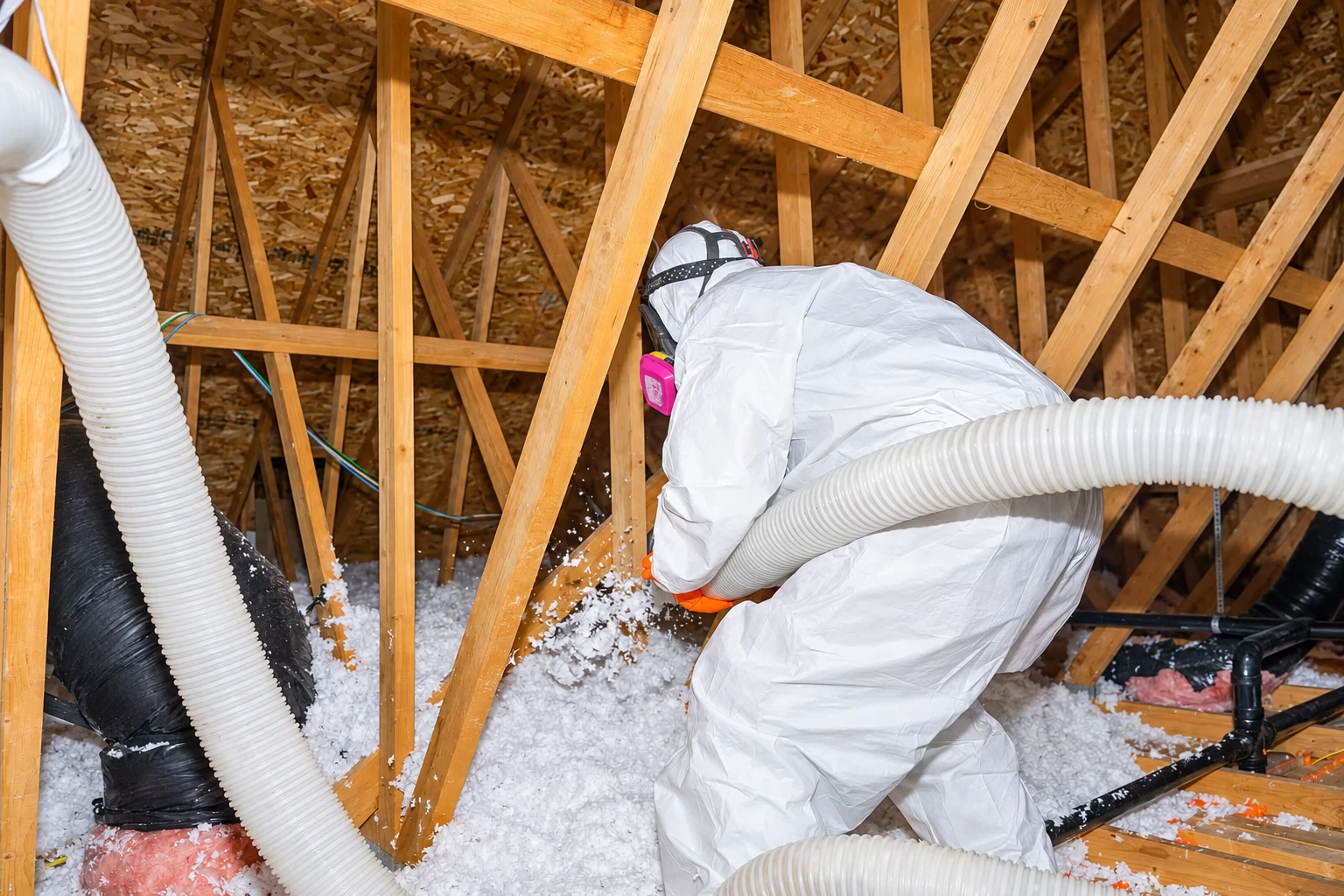
Worker in protective coveralls blowing loose-fill insulation into an attic through a large flexible hose.

How Streamwood houses look from the attic

Streamwood is a village with its own building rules, and the houses we go into here look a lot like the ones we see in Hoffman Estates, where we're based, and in Hanover Park and Palatine. The calls sound the same too. The upstairs won't cool down in July, the floors downstairs are cold all winter, or the power bill keeps climbing and nobody's sure why.

What we find in the attic depends less on the street than on what's been done up there over the years, often a builder's layer, a later top-up and something stuffed around the hatch. That history shapes the job, so we look before we price anything.

Insulation services for Streamwood homes and buildings

We handle most kinds of insulation work in Streamwood, from topping up an attic to foaming a crawl space wall, for homeowners and building managers. The planning starts the same way every time. I come out, go up in the attic or down in the crawl space, and figure out where air and heat are actually moving before we decide what to install. Here's what we do and where each service usually fits.

  • Spray foam insulation

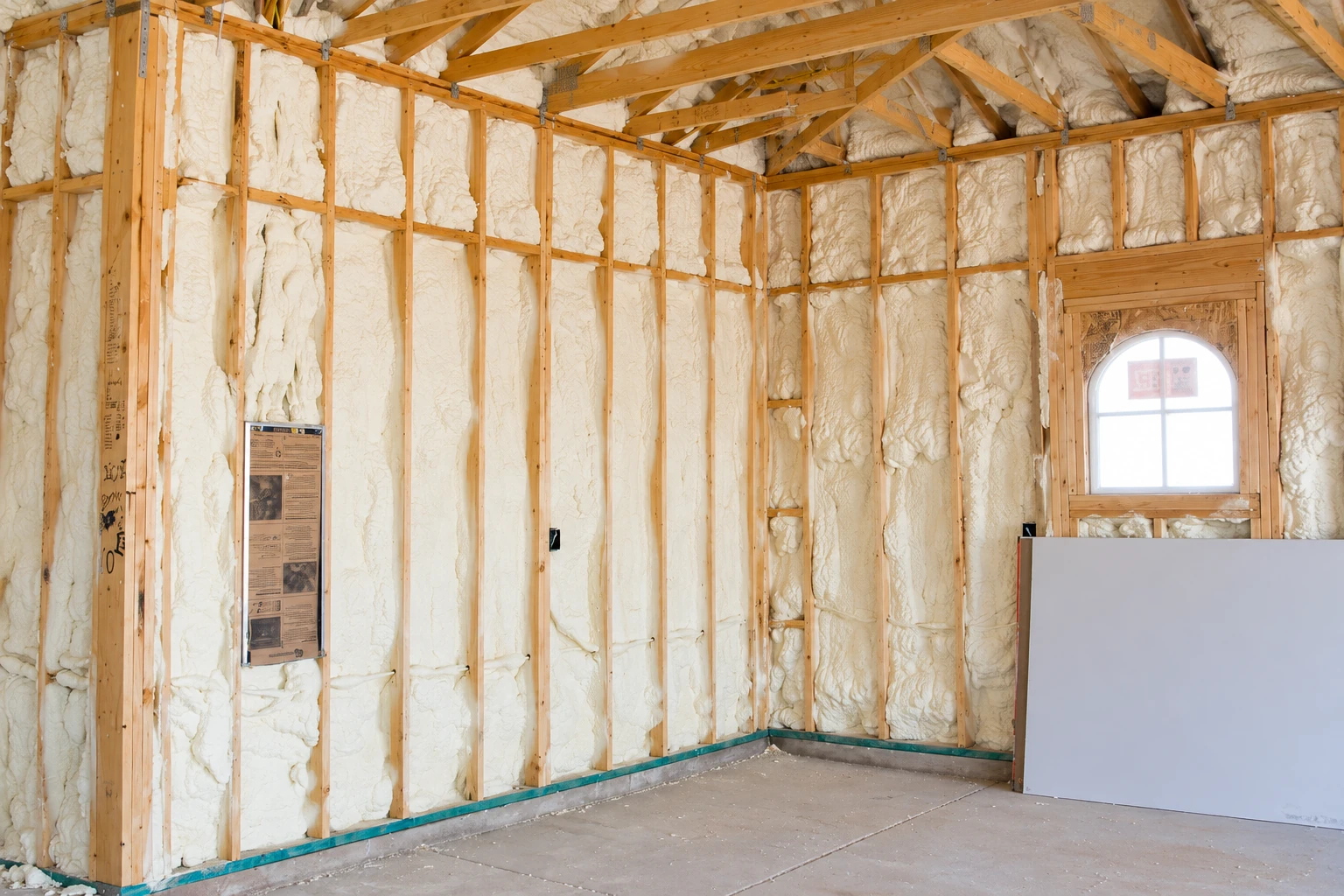
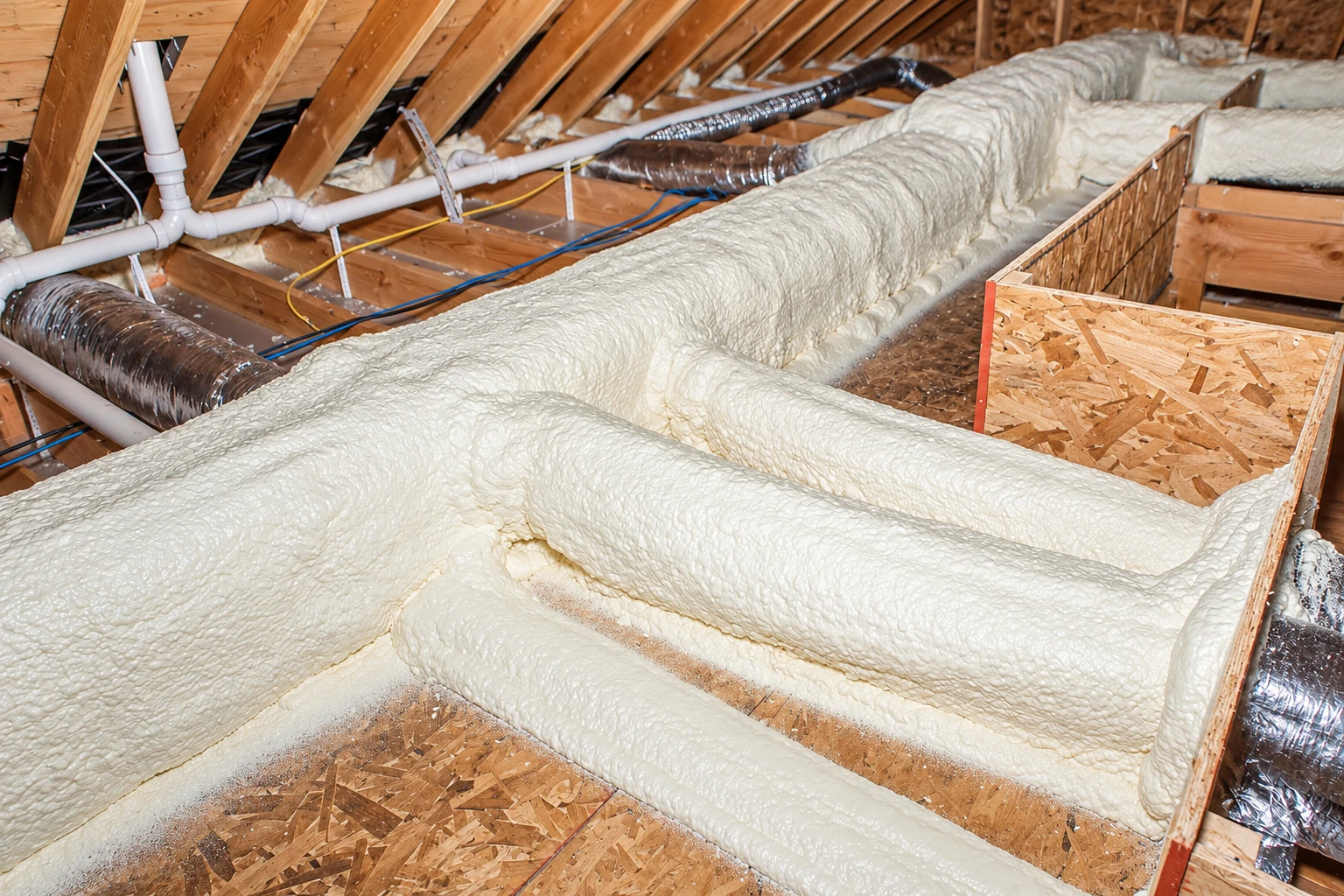
    Spray foam fits the spots loose fill can't hold, like the floor over a garage or the rim of a basement where the house sits on the foundation. It costs more, so we use it where sealing and insulating in one pass really pays off.

    Explore service
  • Attic insulation

    Most Streamwood calls start in the attic, because a hot upstairs or a high power bill usually traces back to thin or settled insulation. We check what's up there, seal the gaps, keep the eave vents clear and bring the depth up evenly out to the edges.

    Explore service
  • Blown-in insulation

    Blown-in insulation is loose fill we blow through a hose, and it's how we top up most attics that already have a few inches in them. It settles in around joists and wiring, which is where thin coverage usually hides.

    Explore service
  • Home insulation

    When a house has more than one trouble spot, like cold floors downstairs and a hot bedroom upstairs, we look at the whole house instead of one room at a time. That way the work happens in a sensible order and you're not paying to fix the wrong thing first.

    Explore service
  • Insulation removal

    Old insulation that got soaked from a roof leak or filled with droppings has to come out before anything new goes in, or the problem just stays under a fresh layer. We take it out, clean up the attic floor and check the wood before we insulate.

    Explore service
  • Crawl space insulation

    Cold floors over a crawl space usually come from air and damp moving up from below. We look for water first, then insulate the walls or the floor above, depending on how the space is built.

    Explore service
  • Wall insulation

    Outside walls that feel cold to the touch often have little in them, or insulation that slumped years ago. We can usually fill them through small holes and patch afterward, without opening up whole rooms.

    Explore service
  • Air sealing services

    Air sealing is closing the gaps before insulating, around can lights, pipes, wires and the attic hatch. Skip it and new insulation spends the winter fighting a draft, which is why we do it first on almost every job.

    Explore service
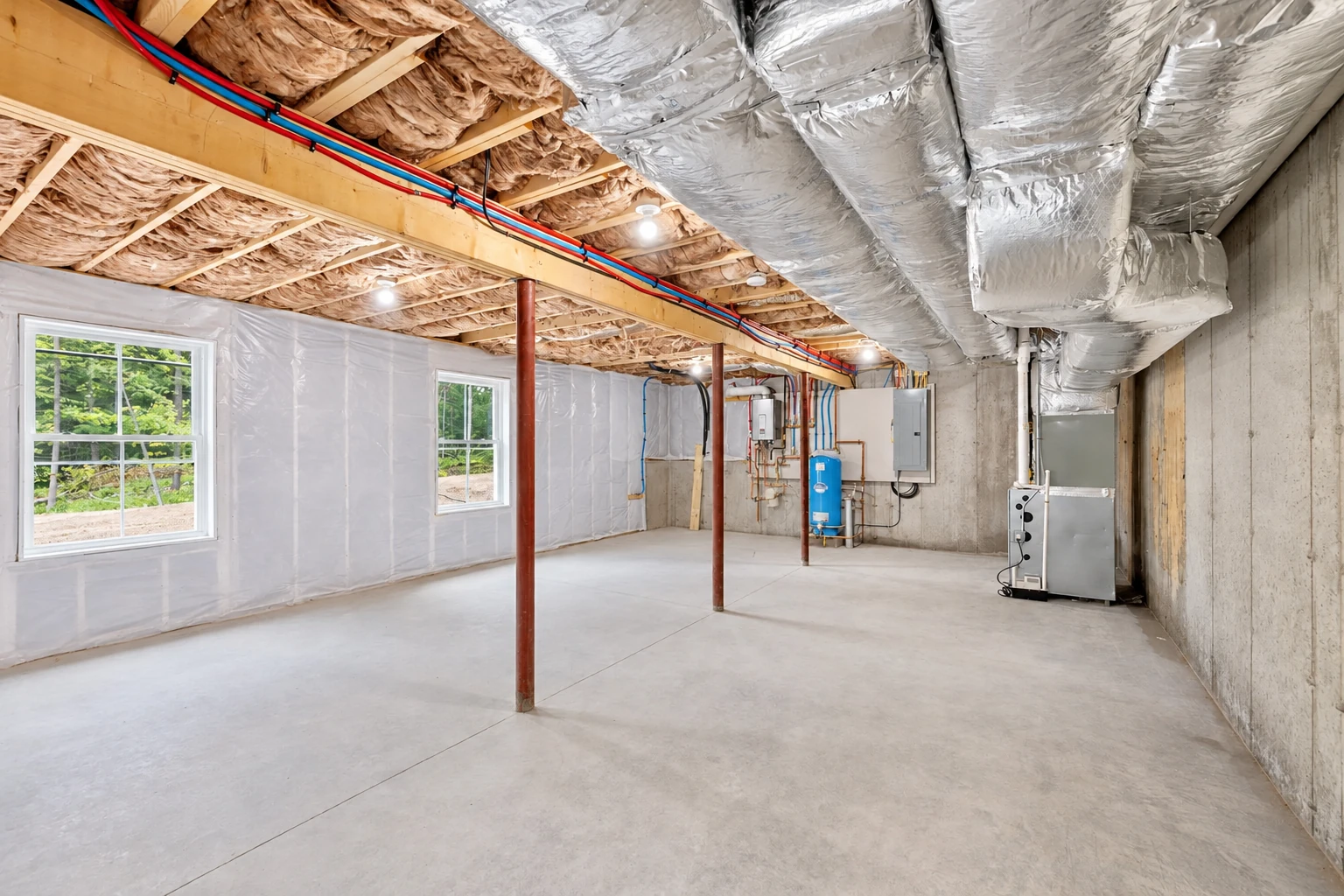
  • Basement insulation

    A basement can feel damp and cold, especially along the top of the foundation walls. We check for moisture before we cover anything, because insulation over a wet wall just hides the trouble.

    Explore service
  • Closed-cell foam insulation

    Closed-cell foam is dense foam that blocks moisture, so it suits rim joists, crawl space walls and other spots that see damp. It's the pricier choice, and we only recommend it where that moisture control matters.

    Explore service
  • Open-cell foam insulation

    Open-cell foam is softer and lighter, and it works well in walls and rooflines where you want to stop air and quiet some noise without needing a moisture barrier. It costs less than closed-cell, though it isn't the right pick for damp spots.

    Explore service
  • Commercial insulation

    Building managers in Streamwood call us about drafty offices, cold storage areas and rising utility bills. We look at a building the way we look at a house, starting with where air gets in and heat gets out.

    Explore service
  • Crawl space vapor barrier

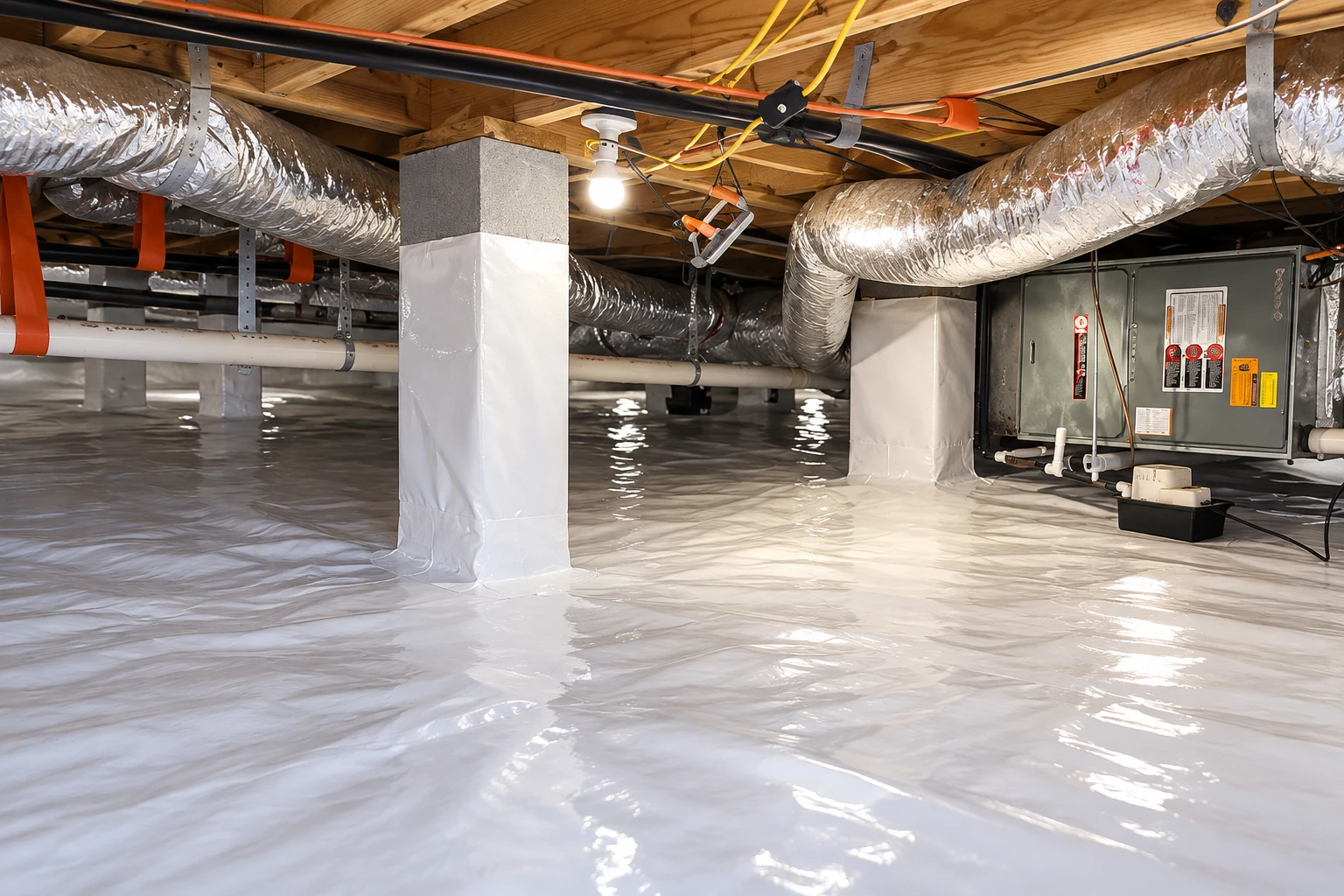
    A dirt or gravel crawl space sends moisture up into the house, and you'll often smell it before you see it. We lay a vapor barrier, a sheet that keeps ground moisture down, so the insulation above stays dry.

    Explore service
  • Vapor barrier installation

    Where a wall, basement or attic needs a vapor barrier depends on how the space is built and which side stays warm. We work that out on site, because a barrier in the wrong place can trap moisture instead of stopping it.

    Explore service
  • Attic air sealing

    If the attic insulation looks deep enough but the upstairs is still drafty, the leaks are usually around the hatch, the can lights and the tops of the walls. We pull back what's there, seal those gaps and lay it back down level.

    Explore service
  • Retrofit insulation

    Retrofit work means adding insulation to a finished house without tearing out walls or ceilings. It's how we handle homes where the original insulation was thin but the drywall is in good shape.

    Explore service

Working in Streamwood: permits, paperwork and your price

Streamwood writes its own building rules, so a job here starts with a check with the village before anyone climbs a ladder. Here's how permits and contractor rules work, and what moves your price and schedule.

Permits and contractor rules in the village

In Streamwood, building permits come from the village's Community Development Department, and its list names jobs like room additions, detached garages, new houses and major remodeling. Insulation isn't on that list, so whether your job needs a permit is a question for the department, not something I'd guess at. We check with the village for each job and take care of any permit and paperwork it calls for.

You can check up on any contractor, too. The posted Village Code has each general contractor register with the village every year for $100.00 and each subcontractor for $75.00, with the year starting January 1. Businesses the code doesn't license some other way have to register as well, so it's fair to ask whoever you hire whether they're set up to work in Streamwood.

  • We check permit needs with the village before any work is scheduled.
  • General contractors and subcontractors each register with the village every year.
  • Ask any contractor whether they're registered before they start in your attic.

What moves the price and the schedule

The price turns on what's already up there. How many inches you have, whether any of it has to come out, how many gaps need sealing around lights, pipes and the hatch, and how hard the space is to reach all change the number. A low attic over the garage or a tight crawl space takes more work than an open attic you can stand up in.

The schedule turns on the order of the work. If old insulation is soaked or full of droppings, it comes out before anything new goes in, and that adds a step. If the village says the job needs a permit, we wait for it before starting. I come out to look at most jobs myself, and the estimate gives you the figure for your own house.

  • Inches already in the attic, and whether that layer can stay.
  • Gaps to seal around can lights, pipes, wiring and the attic hatch.
  • Foam where moisture or ductwork calls for it, loose fill almost everywhere else.

Get a free on-site insulation estimate for your Streamwood home

We reply within one business day to set a time, and I'll usually come out to your Streamwood house myself to look at the attic, walls or crawl space. The estimate is free, it's done on site and there's no obligation, and if you go ahead, our installers do the work.

(847) 380-5407

What we usually find in houses around Streamwood

Most houses we go into around here have had a few owners, and the attic usually shows it. These are the things we check for before recommending anything, because each one changes what the job should be.

  • A hot upstairs in summer

    When the bedrooms run noticeably warmer than the main floor, the attic is usually the reason. Insulation that has settled over the years, or was never deep enough, lets the roof's heat soak down into the rooms below, and the air conditioner can't keep up with it.

  • Layers of old insulation

    Plenty of attics have two or three kinds of insulation in them, from the builder and from later top-ups. Before adding more, we check whether the bottom layer is dry and clean, because fresh insulation over soaked or dirty material keeps the problem right where it was.

  • Gaps nobody sealed

    Can lights, plumbing vents, wiring holes and the attic hatch leave openings straight into the rooms below. Warm air rises through them all winter, so even a deep layer of insulation can leave the house feeling drafty until those gaps are closed.

  • Buried eave vents

    When insulation gets blown right to the roof edge, it can cover the vents at the eaves and stop the attic from breathing. Moisture then builds up and shows on the roof boards and framing, so we keep that airway open before we top anything up.

  • Thin at the edges

    A lot of attics are deep in the middle, where it's easy to reach, and thin along the edges, where the roof gets low. That's backward, because the edges sit right over the outside walls where the cold creeps in, so we work the coverage all the way out to the eaves.

Why people call us for houses that don't add up

We've been insulating homes and buildings in Hoffman Estates and the cities around it since 2017. Most calls come from a room that won't stay comfortable, a bill that keeps climbing or someone who wants a straight answer.

Fix the cause first, then insulate

I started out selling insulation jobs for another company, and I kept wondering what was really going on up in those attics. So I climbed up with the installers and learned the work from them. What stuck with me is that order matters. Insulation laid over a leak, a wet spot or a gap nobody checked doesn't fix anything. It just covers it up.

So when I come out, I work through your house like a puzzle. Where's the cold coming from? Is air getting in at the hatch, the can lights or the floor over the garage? Sometimes the honest answer is that your house doesn't need much, and I'll tell you that, because I'd rather pass on a job than sell you something that won't help.

  • The owner looks first

    I come out to look at most jobs myself, so the person deciding what your house needs is the one who's spent years climbing into tricky attics. Our installers then do the work from what I found up there, not from a guess made over the phone.

  • Licensed, insured and guaranteed

    We're licensed and insured, and the promise behind the work is the same whether it's one cold bedroom or a whole attic. Your satisfaction, guaranteed. If something about the finished job doesn't sit right with you, tell me and we'll go over it together.

  • Homes and commercial buildings

    Building managers call us as well as homeowners, about drafty offices, cold back rooms and utility bills that keep going up. We size up a building the same way we size up a house, by finding where air gets in and heat gets out before choosing any material.

  • Open evenings and weekends

    Our hours run 8 AM to 11 PM on weekdays and 7 AM to 11 PM on weekends, so you can reach us about that drafty bedroom after work or on a Saturday morning. Call (847) 380-5407 or use the form, whichever is easier for you.

Streamwood insulation questions we hear most

These are the questions Streamwood homeowners ask before they let anyone into their attic, basement or crawl space. The answers come from the village's rules and from what we see on the job.

How much does attic insulation cost in Streamwood, IL?

The cost of attic insulation in Streamwood comes down to what's already up there, how much has to come out, how many gaps need sealing and which material goes in. Foam costs more because it seals air while it insulates, but for most attics, sealing the gaps and topping up with blown-in is the better buy unless your ductwork runs up there. We'll give you the figure for your house once we've been up to look.

How long does a building permit stay valid in Streamwood?

Under the village's building code, permits for the bigger projects like additions and major remodeling stay valid for 12 months, and permits for other home and site improvements stay valid for 3 months. Starting work before a required permit is issued adds a late fee of half the permit fee, at least $50.00, so we wait for any permit your job needs before we start.

Does a remodel in Streamwood need plans from an architect?

Yes, if it's residential work valued over $10,000, the village's building code calls for plans prepared by a registered architect. That covers new construction, remodeling and alterations, so if your insulation is part of a bigger remodel, it's worth settling with the village before anything is scheduled, and we'll ask when we check on the permit.

How do I check flood maps for a Streamwood home before insulating the basement?

If your home is in Cook County, you can view or download the effective FEMA flood maps starting from the Illinois flood maps page for Cook County, and MWRD's SWIMA flood tool shows general flood risk, including 100-year flood areas. MWRD says that tool is for general information, so treat it as a first look. Either way, we check basement walls and crawl spaces for water before we cover anything.

What causes the room over my garage to be so cold in winter?

Usually it's the floor, not the attic. Cold garage air slips in around the edges of the floor framing and through thin insulation underneath, so the room sits on a cold surface all winter. We check the floor, the outside walls and the ceiling, then seal and insulate whichever ones are letting the cold in, which sometimes means foam under the floor.

How long does attic insulation take, and when can my kids and pets come back inside?

With blown-in insulation, you can usually stay home while we work and use the house as soon as we've cleaned up. Spray foam is different, because everyone stays out until the re-entry time, the wait the foam maker sets before people and pets come back in, has passed, and we go over that with you before the job is booked. How long the crew is up there depends mostly on whether old insulation has to come out first, which I'll know once I've looked.

Service areas

We're based in Hoffman Estates and work in Streamwood and the cities around it in the northwest suburbs, including the ones listed here. If you don't see your city, call (847) 380-5407 or send the form and ask.

Ask about your location
(847) 380-5407Get an estimate