
Hoffman Estates Insulation ServicesHoffman Estates Insulation Services(847) 380-5407

Insulation Contractor in Mount Prospect, IL - warmer rooms and fewer drafts

Hoffman Estates Insulation Services insulates attics, walls, crawl spaces and basements in Mount Prospect, IL. We find where the heat and drafts are getting through, fix the gaps first, then add the insulation your house actually needs.

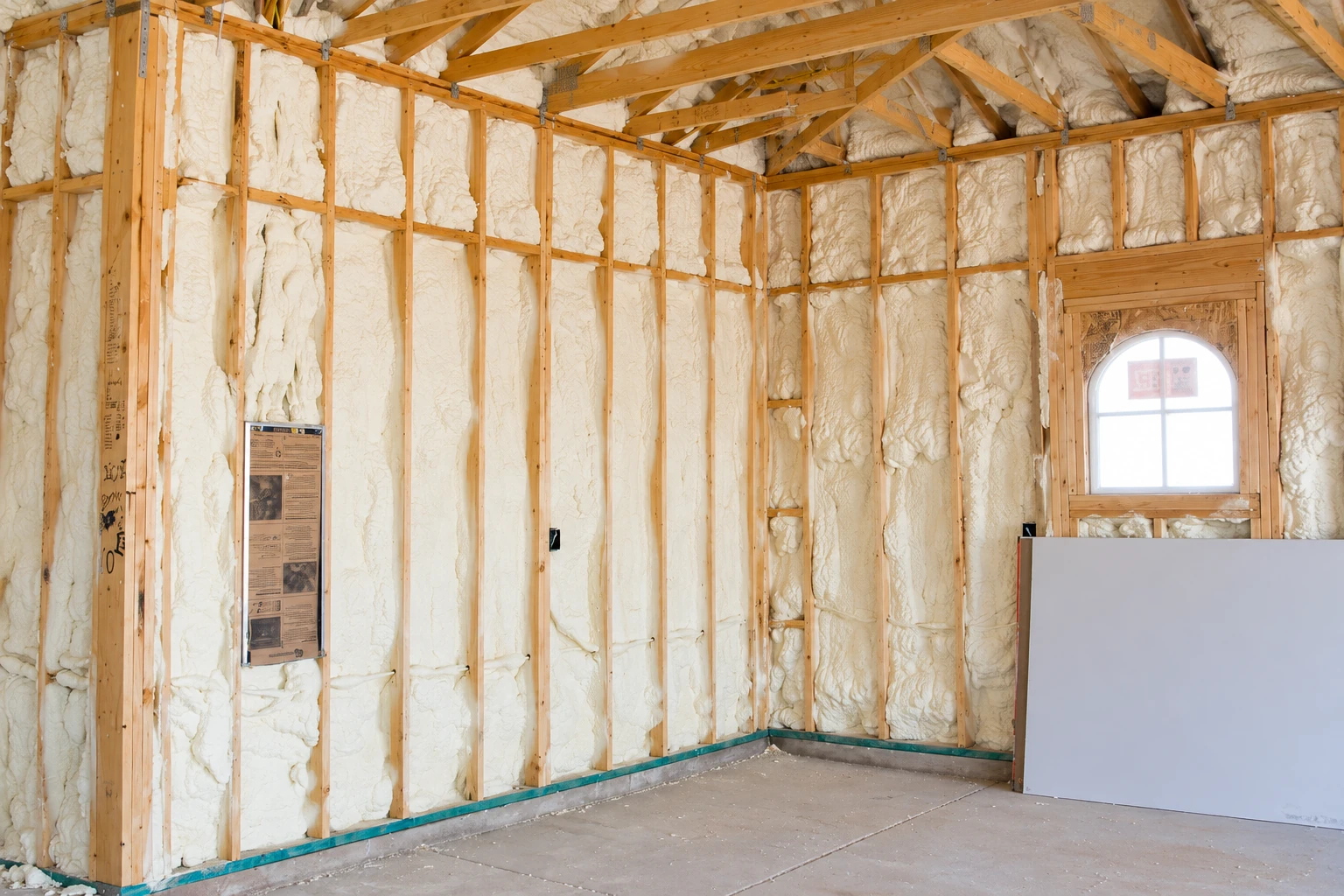
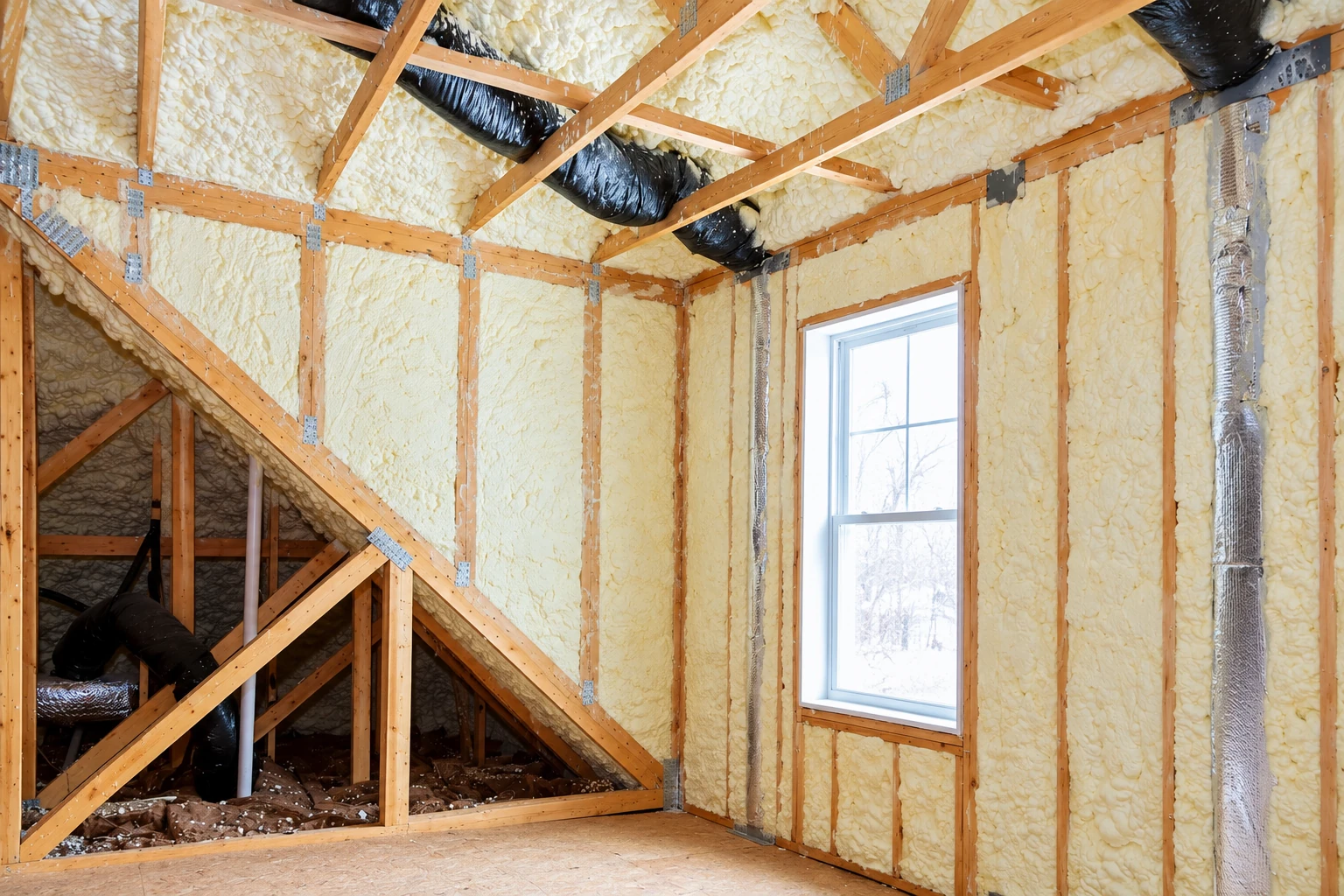
Wall studs packed with white spray foam insulation in an unfinished room with exposed roof framing and an arched window.

Mount Prospect houses as we see them from the attic

Calls from Mount Prospect start the way they do across the northwest suburbs, with an upstairs bedroom that won't warm up, a room over the garage nobody wants to sleep in, or a power bill that keeps climbing. We do the same work here that we do in Des Plaines and Arlington Heights.

The village is mostly houses with shops and offices mixed in, so we hear from homeowners and building managers both. Most of the buildings we get into have been worked on by more than one owner over the years, and the attics and crawl spaces show it. What's already up there, and how many hands have been in it, decides whether we top it up, pull it out or seal first, which is why I look before I price anything.

Insulation work we do for Mount Prospect homes

In Mount Prospect we do the same range of work we do across the northwest suburbs, from attic and wall insulation to crawl space vapor barriers, spray foam and commercial jobs for building managers. Every job is planned the same way. We look first and work out what's really causing the cold room or the high bill, then we put the steps in order, taking out bad material, sealing the gaps and insulating last, so nothing new goes in over a problem.

  • Spray foam insulation

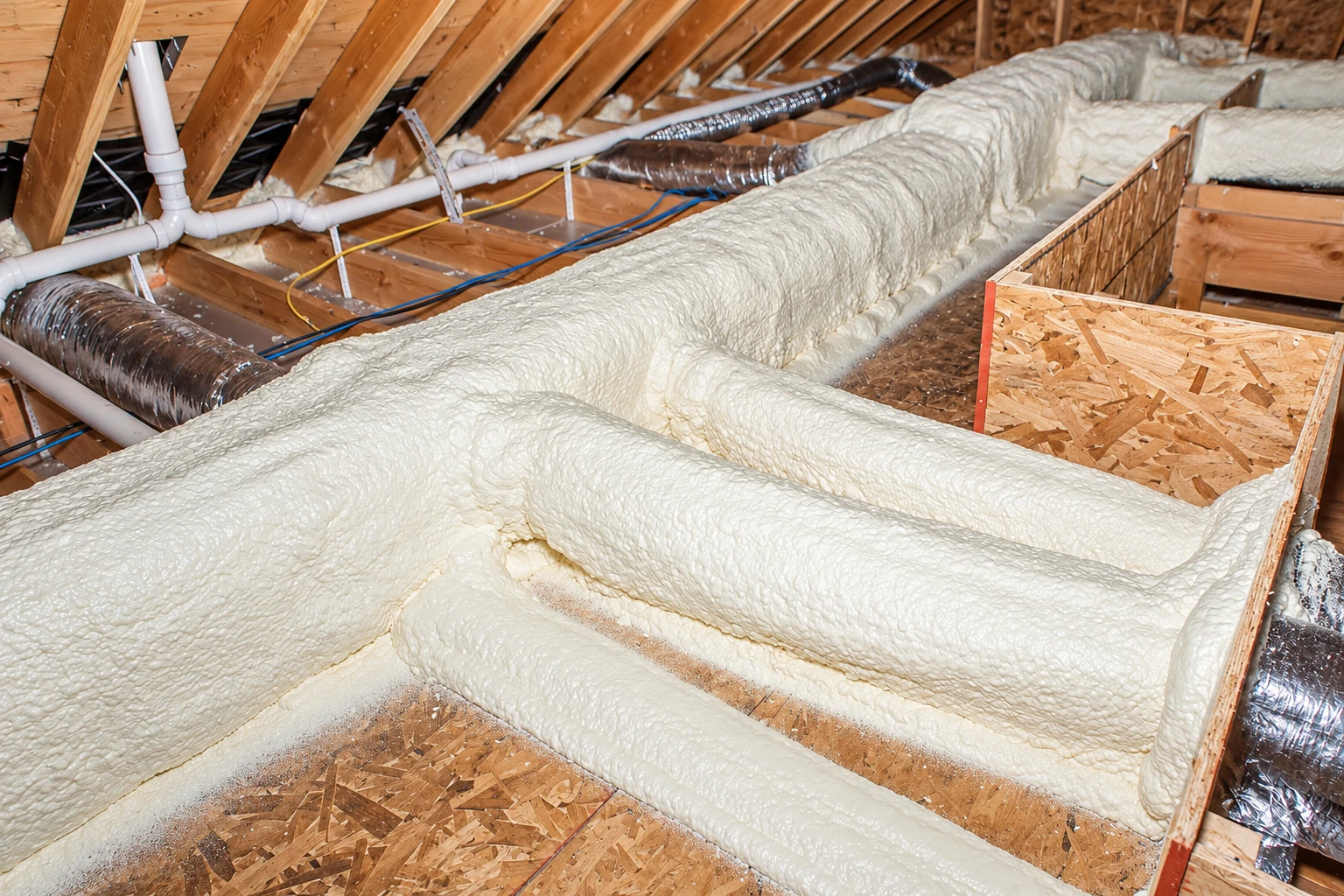
    Rim joists and awkward attic spots that leak both air and heat are where spray foam earns its cost. We use it where sealing and insulating in one step makes sense, and we'll tell you when loose fill would do the job for less.

    Explore service
  • Attic insulation

    Most drafty upstairs bedrooms trace back to an attic that's thin at the edges or was topped up over a problem. We check what's there, seal the gaps, keep the eave vents clear, then bring the depth up evenly.

    Explore service
  • Blown-in insulation

    Blown-in insulation, loose fill sent through a hose, is usually the simplest way to top up an open attic floor that's settled over the years. We blow it deep out at the edges where it tends to run thin, not just in the middle.

    Explore service
  • Home insulation

    When the whole house feels off, with cold floors downstairs and hot rooms upstairs, the fix is rarely one spot. We look at the attic, walls, basement and crawl space together and tell you which order makes sense.

    Explore service
  • Insulation removal

    Old insulation that got soaked, crushed or full of droppings has to come out before anything new goes in, or the problem stays. We bag it, haul it out, clean up and check the framing underneath before we go further.

    Explore service
  • Crawl space insulation

    Cold floors over a crawl space usually mean open rim joists and gaps letting outside air in under the house. We seal and insulate those spots so the floor above stops feeling like it sits right on the ground.

    Explore service
  • Wall insulation

    Outside walls in older houses are sometimes empty or packed with material that's slumped down over time. We check what's inside before we fill them, so the new insulation goes where it's actually missing.

    Explore service
  • Air sealing services

    Drafts at outlets, baseboards and the basement rim mean outside air is getting in through gaps nobody closed. Air sealing, closing those gaps before any insulation goes in, is usually cheaper than adding insulation and often the part you notice first.

    Explore service
  • Basement insulation

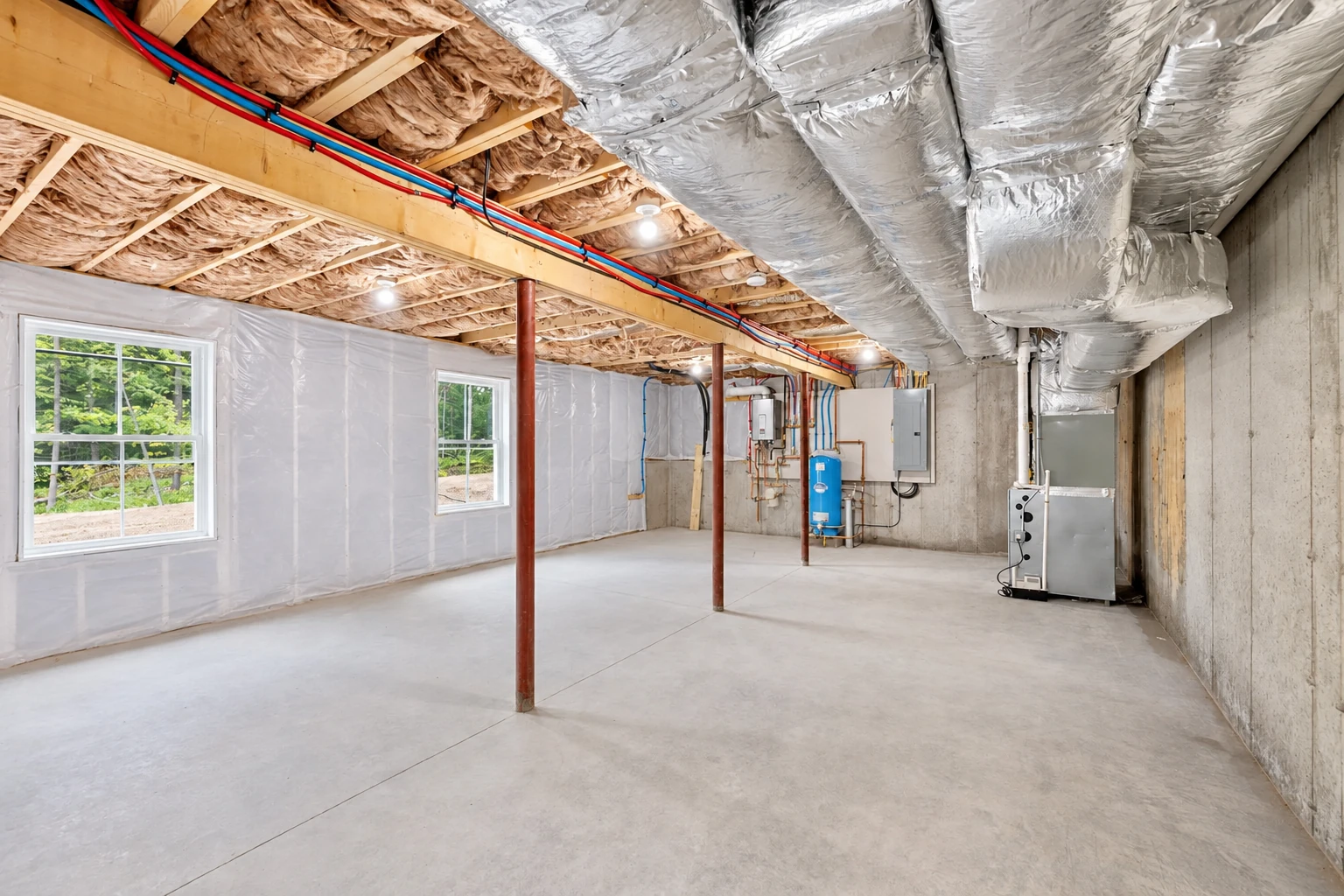
    Finished and half-finished basements lose heat through the rim joist and bare foundation walls. We insulate those areas with a material that suits the damp down there, because the wrong one can trap moisture against the wall.

    Explore service
  • Closed-cell foam insulation

    Closed-cell foam, a dense foam that also blocks moisture, fits rim joists, crawl space walls and other spots where damp is part of the picture. It costs more than other options, so we save it for the places where that moisture control matters.

    Explore service
  • Open-cell foam insulation

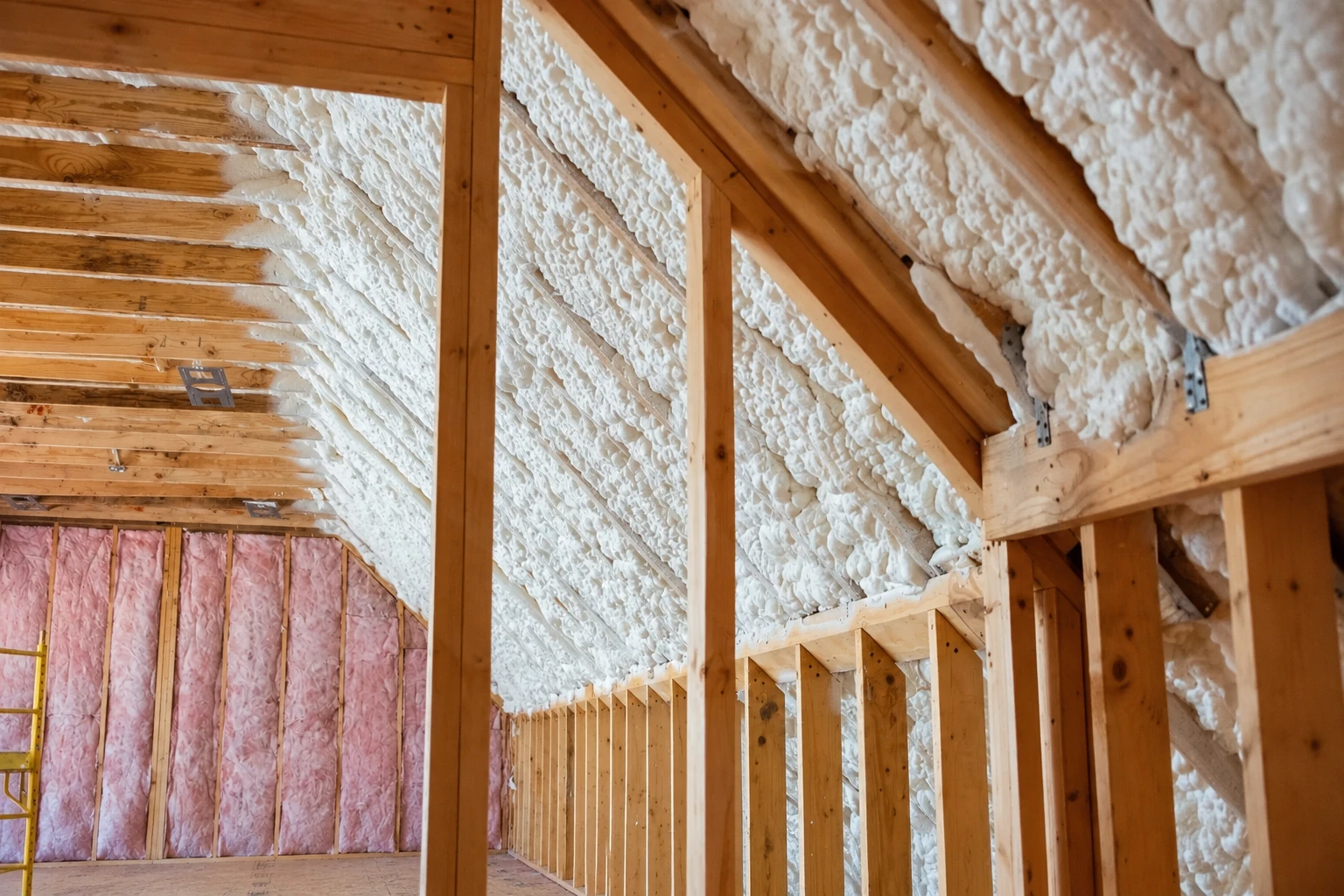
    Open-cell foam is softer and lighter, and it suits rooflines and inside spots where you want an air seal without paying for closed-cell. We'll tell you if it fits your house or if sealing and loose fill make more sense.

    Explore service
  • Commercial insulation

    Building managers call us about offices, shops and rental units with high bills or tenants who can't stay warm. We look the building over first, then plan the work around the people who use it.

    Explore service
  • Crawl space vapor barrier

    A bare dirt crawl space sends damp up into the house and into whatever insulation is down there. We lay and seal a vapor barrier over the ground first so the rest of the crawl space work stays dry.

    Explore service
  • Vapor barrier installation

    A vapor barrier on the wrong side of the insulation leaves moisture stuck where it can't dry out. We work out where it belongs in your walls, basement or crawl space before we put it in.

    Explore service
  • Attic air sealing

    Upstairs rooms often fight a draft that comes up through holes in the attic floor. We seal around can lights, pipes, the chimney and the hatch before any new insulation goes on top.

    Explore service
  • Retrofit insulation

    Adding insulation to a finished house means working around drywall, flooring and whatever past owners left behind. We plan a retrofit to disturb as little as we can while still getting the sealing done before the insulating.

    Explore service

Working in Mount Prospect: permits, registration and what sets the price

Before anyone climbs into your attic, a couple of village rules shape who can do the job and when it can start. After that, what we find up there decides the price.

Village permits and contractor registration come first

The Village of Mount Prospect issues building permits, and it won't issue one on a project run by a general contractor until that contractor has registered with the village. Registering takes an application and a copy of a current State of Illinois registration, and it lasts 365 days from issue, so before you hire anyone you can check with the village that their registration is current.

I don't guess at which insulation jobs need a permit, so we check with the village for each job and take care of any permit and paperwork the work calls for. Applications go in through the village's online portal, and inspections are booked at least 24 to 48 hours ahead, so the paperwork can set a start date as much as the work does.

  • Ask the village whether a contractor's registration is current before you sign.
  • We check with the village for each job before it's scheduled.
  • We're licensed and insured, and you can ask about it at the estimate.

What moves the price and the schedule

Price comes down to what we find up there. An attic with one clean layer that just needs topping up costs far less than one with old insulation that's wet or full of droppings and has to come out first. Then there's how many gaps need sealing around can lights, pipes and the hatch, how easy the attic is to reach, and whether foam or loose fill fits.

The schedule turns on the permit check, on whether old material comes out before new goes in, and on anything we find once the attic or crawl space is open, like a roof leak that has to be fixed first. Your estimate is where you get your own price and a realistic idea of timing, because I'd rather not guess at either before I've seen the space.

  • Old insulation that has to come out adds time and cost.
  • Foam usually costs more than sealing gaps and topping up loose fill.
  • A leak or damp spot found mid-job needs fixing before we insulate.

Get a free on-site insulation estimate in Mount Prospect

Send the form or call, and we'll reply within one business day to set a time to come out to your Mount Prospect home or building. I come out to look at most jobs myself, go through the attic and whatever else is bothering you, and then give you an estimate that's free and comes with no obligation.

(847) 380-5407

What we find in Mount Prospect attics and crawl spaces

Most of the houses we're called to here share the same handful of problems, whatever their age or style. These are the ones I look for first when I climb into an attic or crawl space.

  • Layers from past owners

    A lot of attics have been topped up more than once, each time by someone different, with nobody checking what was underneath. If the bottom layer got wet or full of droppings, adding more on top just buries the trouble, so we look at every layer before deciding what stays.

  • Gaps nobody sealed

    Warm air leaks up through holes around can lights, plumbing pipes, wiring and the attic hatch. Insulation laid over those gaps ends up fighting a draft, which is often why a room stays cold even after more insulation went in. Sealing them first is what makes the rest work.

  • The room over the garage

    That bedroom tends to be the coldest in winter and the hottest in summer because it has unheated space underneath and outside air on several sides. The floor over the garage often has insulation that's sagged or left gaps, so we check it along with the walls and the attic above.

  • Thin edges and buried vents

    Insulation often ends up deep in the middle of the attic and thin at the edges, which is backward, because the edges over the outside walls are where the cold gets in. When it's blown right over the eave vents, the attic can't breathe and moisture shows up in the wood.

  • Winters that are hard on roofs

    The village's code rates the weathering risk here as severe, and you see it every winter at the roof edge. Heat leaking into the attic melts snow that refreezes at the eaves, so sealing and insulating the attic floor can help the roof as well as the power bill.

Why we're worth a call for your Mount Prospect insulation

I started out selling insulation, learned the work in attics alongside installers, then did it myself for a few years before starting this business in 2017. Here's how that shapes the way we work on your house.

We fix the order before we add insulation

Insulation only does its job when it goes in last. So first we check what's already there and pull out anything that's wet or dirty, then we seal the gaps that let warm air leak up, and only then do we bring the depth up, keeping the eave vents clear. Skip a step and the new insulation just hides whatever is still wrong.

That's also why I'll sometimes tell you a job isn't worth doing. If your attic already has a decent depth and the drafts are coming from somewhere else, adding more won't change much, and I'd rather say so than sell it to you. We're best known for sorting out the houses that don't add up at first, like the room that's cold no matter what you try.

  • I come out to look

    I come out to look at most jobs myself, and I'll usually ask you a few questions back. Which rooms bother you, and when? That tells me where the air is moving before I open the hatch, and our installers then do the work from what we found together.

  • In business since 2017

    We've been doing this for 9 years, and before that I spent a few years in attics doing the work and learning from installers. That time is why the odd jobs, like an attic with three kinds of old insulation stacked up, don't throw us.

  • Licensed, insured and guaranteed

    We're licensed and insured for the attics, crawl spaces, basements and commercial buildings we work in. Our promise is your satisfaction, guaranteed, and it starts with an estimate that tells you plainly what we'll do and why we'd do it in that order.

  • Call or send the form

    Call (847) 380-5407 or fill out the form on this page and tell us what's going on, whether it's a cold room, a high bill or an attic you've never looked in. We're open 8 AM to 11 PM on weekdays and 7 AM to 11 PM on weekends.

Insulation questions we hear from Mount Prospect homeowners

These are the questions people ask me most on the first call, plus a couple of village rules worth knowing before work starts. If yours isn't here, ask when we come out.

What does Mount Prospect's building code say about crawl spaces?

The village's residential code amendments call for a sump pump and drain tile system in all crawl spaces, installed to the plumbing code, though the code official can approve otherwise based on how your lot and the land around it drain. That matters if we're insulating or sealing your crawl space, so we sort out with the village whether it bears on your job before we start, and the plumbing itself is a plumber's work.

What hours can contractors work in Mount Prospect?

Construction hours in Mount Prospect are 7 a.m. to 7 p.m., Monday through Sunday. We plan our crew days in your house inside that window.

How much does it cost to insulate an attic in Mount Prospect?

The cost depends on what's already in your attic, whether any of it has to come out, how many gaps need sealing and which material goes in, so there's no honest number until someone has been up there. Topping up a clean attic with blown-in costs the least, while removal and spray foam push the price up. The estimate gives you your own figure.

How long does attic insulation take, and do we have to leave the house?

It depends on the attic, and removal or a lot of sealing both add to it, so I'll give you a realistic time once I've seen it. With blown-in loose fill most families stay home, but spray foam has a re-entry time, the wait before you, the kids and the pets can come back in, set by the foam maker, and we go by it.

What is the best way to insulate an attic in Mount Prospect, foam or blown-in?

For most attics, sealing the gaps and then topping up with blown-in loose fill is the better buy. Foam costs more, and its advantage is that it seals air while it insulates, which is worth paying for when your ductwork runs through the attic. I'll tell you which one your house calls for after I've looked.

How do I know if my attic needs more insulation?

You can usually tell by checking how many inches are up there and whether it's thinner at the edges than in the middle, and by thinking about the house's age, since older attics often hold settled or patched layers. Cold upstairs rooms, a drafty hatch or snow melting off your roof faster than the neighbors' all point to heat leaking up. If you'd rather not climb up, I'll measure it at the estimate.

Service areas

Besides Mount Prospect, we work in Hoffman Estates, Schaumburg, Palatine, Des Plaines and the other cities listed here, plus the cities around them. Not sure we come to you? Call (847) 380-5407 and ask.

Ask about your location
(847) 380-5407Get an estimate