
Basement insulation in Hoffman Estates IL - a warmer basement that stays dry
Cold floors upstairs and a chilly, damp-feeling basement? We deal with the water first, then insulate the walls so they stay dry.
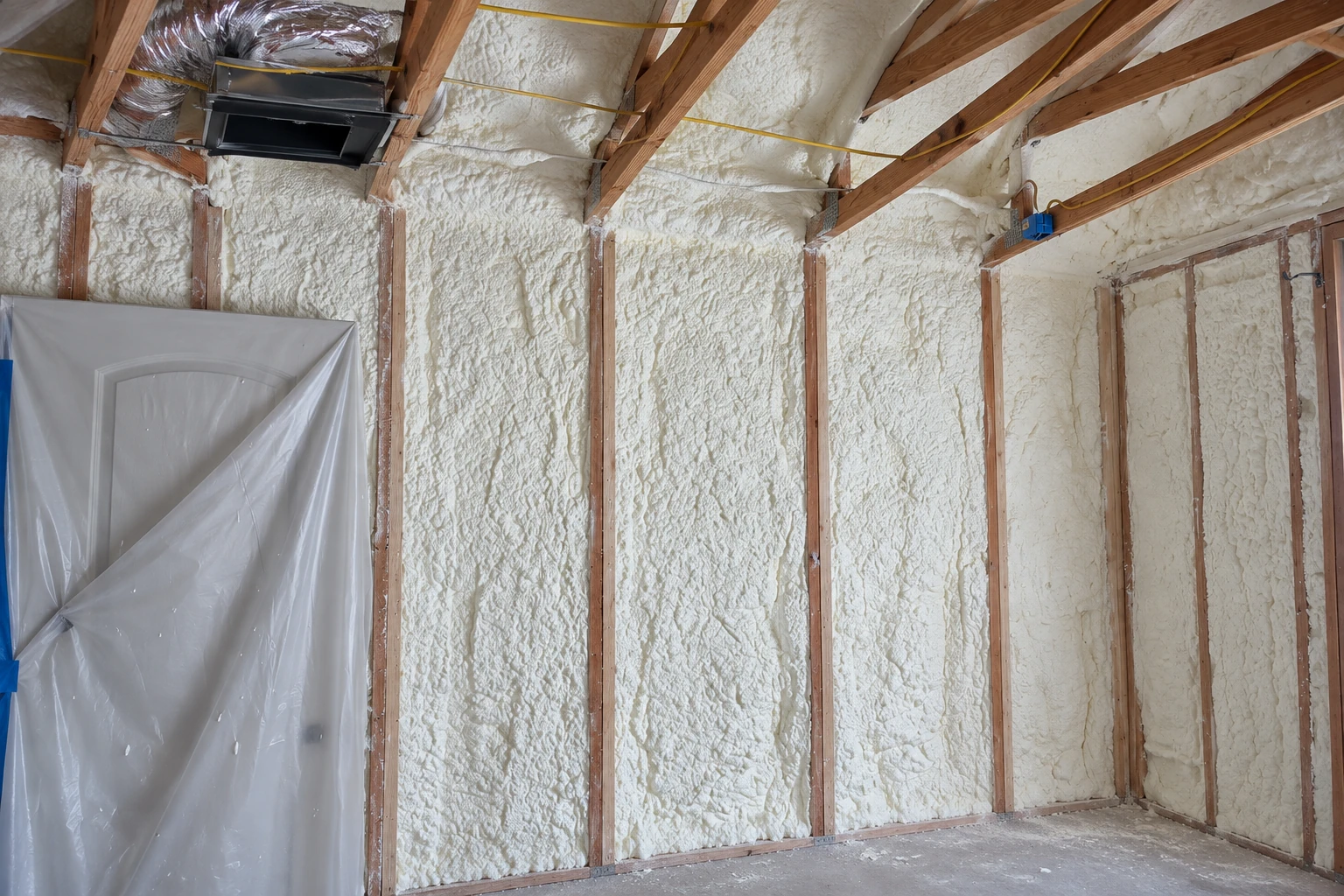
How do you insulate a basement without trapping moisture?
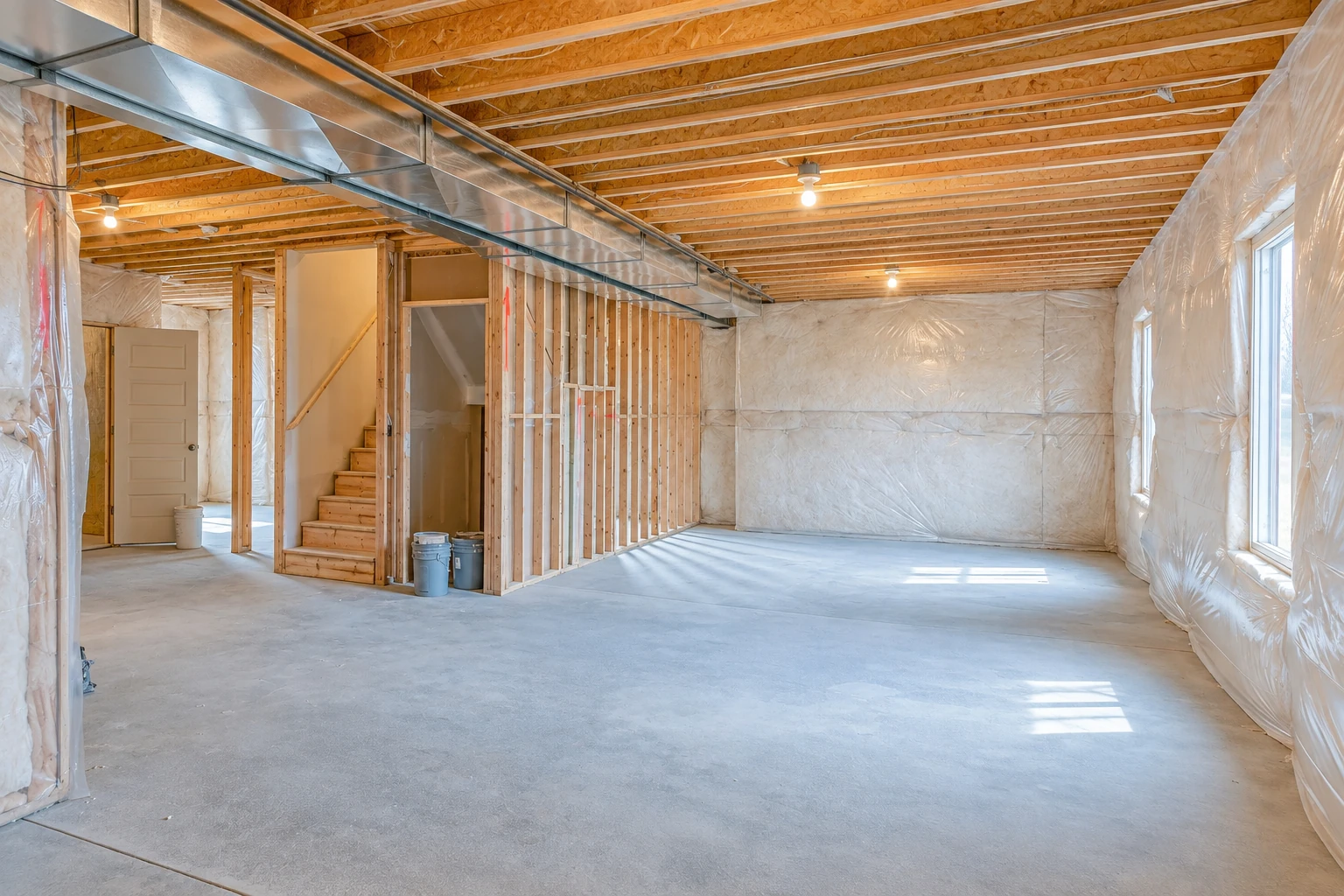
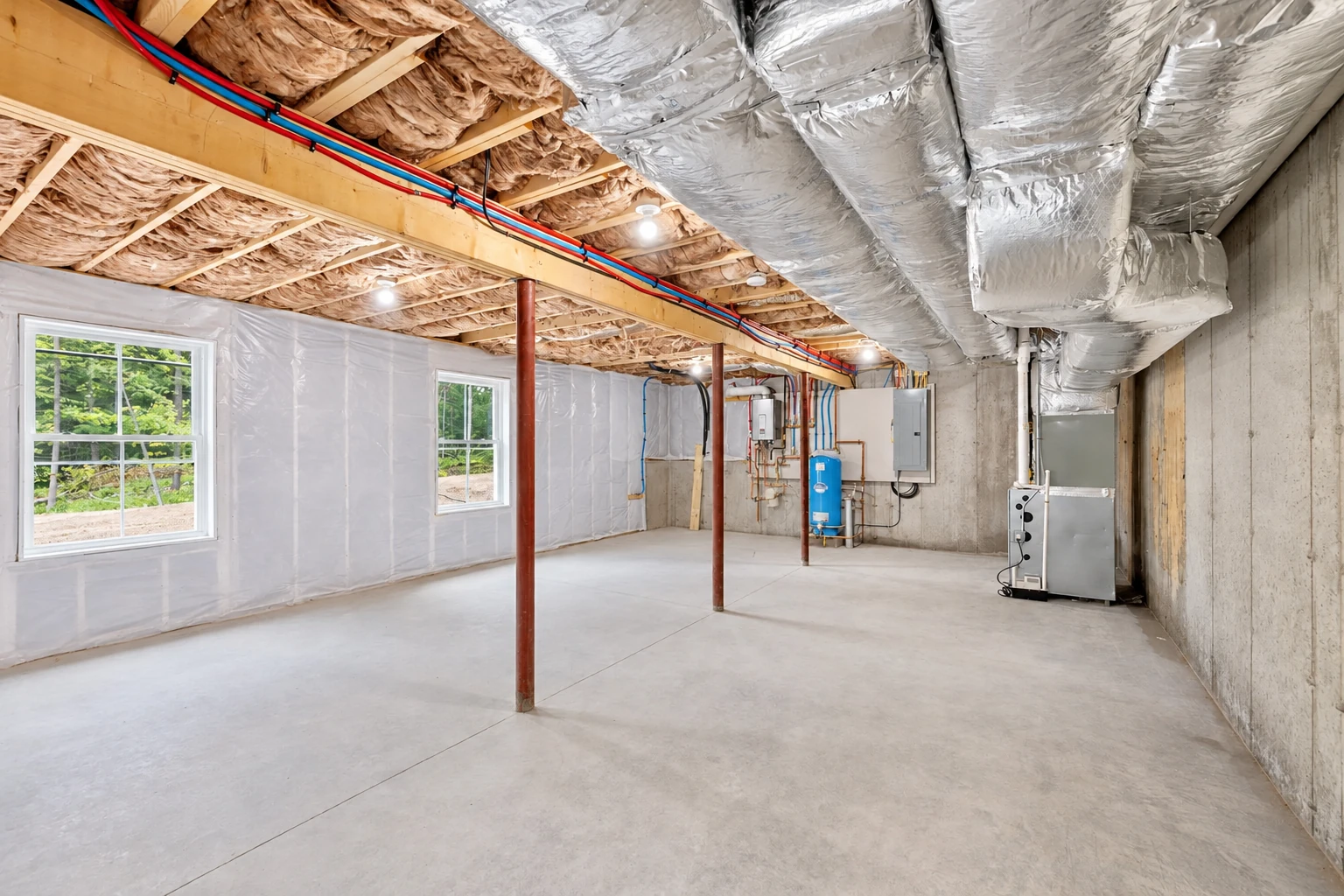
Basement insulation in Hoffman Estates covers the inside of your foundation walls with rigid foam board or spray foam, so the basement holds its heat and the floors above stop feeling so cold. How it goes on matters as much as what goes on, because each method has its own way of keeping moisture out of the wall.
Most calls start with cold floors over the basement, a power bill that climbs every winter or a basement you'd like to finish and actually use. We're based in Hoffman Estates and work across it and the cities around it in the northwest suburbs, and when I come down the stairs, the first thing I check is whether the walls are dry, well before I think about insulation.
Price mostly turns on how many square feet of wall you have, which material fits it and how much has to happen first, like fixing water or air sealing around pipes and openings. The schedule turns on that same prep, so once I've looked, I'll walk you through what I found and what I'd do first.
- We look over the foundation wall for holes and openings and seal air leaks first.
- Foam boards go on tight to the concrete, with no gap behind and every seam sealed.
- Spray foam gets covered afterward with fire-resisting paint or drywall, as national guidance calls for.
What happens when you call us about your basement?
I come out to look at most basements myself, and our installers do the work. Here's how it goes from your first call to the walk-through at the end, in the order we'd do it.
Call or send us a message
Call (847) 380-5407 or use the form, and we'll set up a time for me to come see the house. It helps to have a rough idea of the wall area in square feet, any spots where water has come in and which gas appliances are down there.
I look at your basement
I check the walls for damp spots and openings, look at the furnace and water heater, and ask what you've noticed. You get a straight walk-through of what I found and what I'd do first, and if the job isn't worth doing, I'll tell you that too.
Our installers do it in order
If you go ahead, our installers take care of any repair and sealing first, then put the insulation on in the order we talked about. Nothing gets covered until the wall underneath is ready for it.
We go over the finished basement
When the installers are done, I walk the basement with you so you can see how every wall was finished and ask whatever's on your mind. Your satisfaction, guaranteed.
What basement insulation looks like on the wall
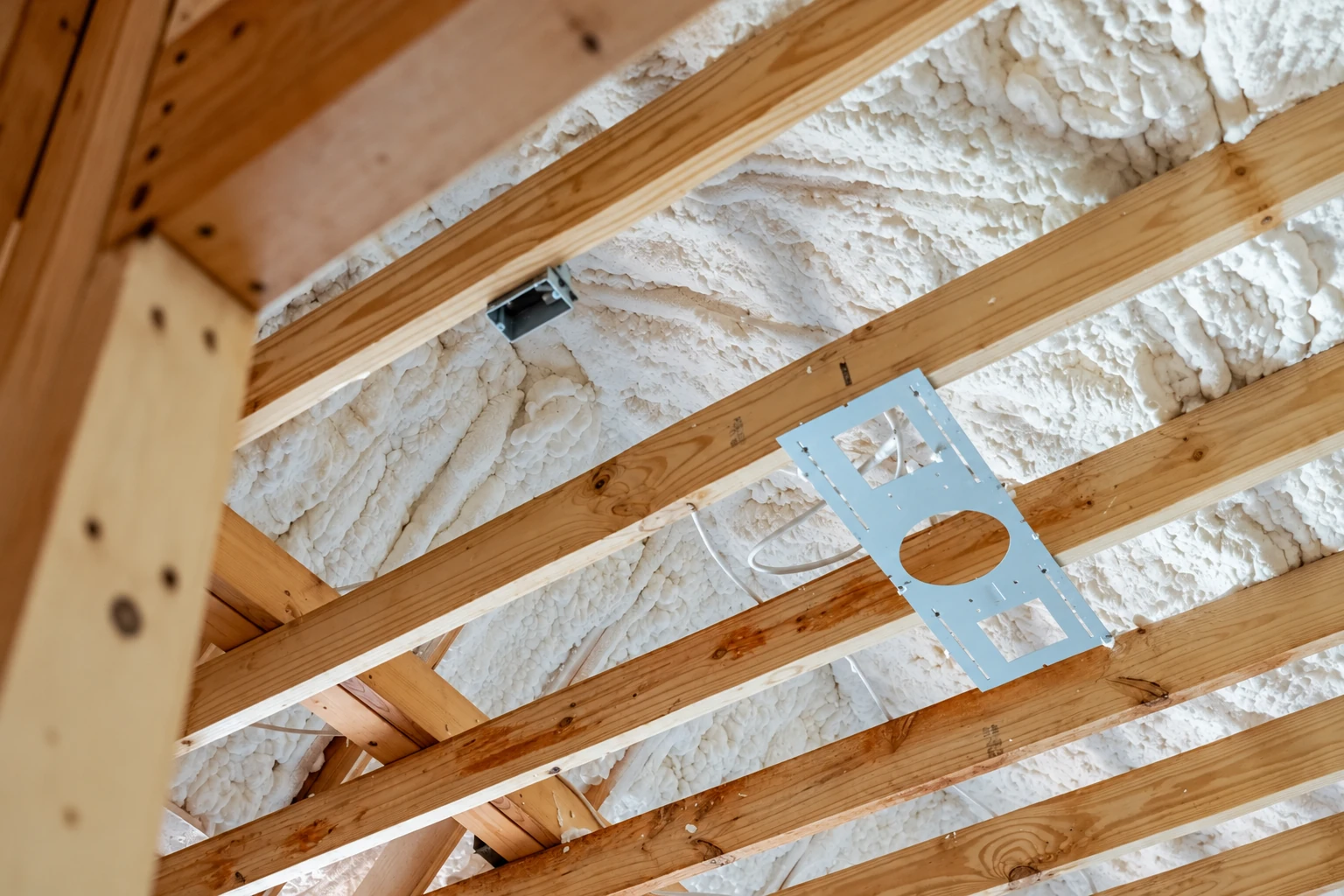
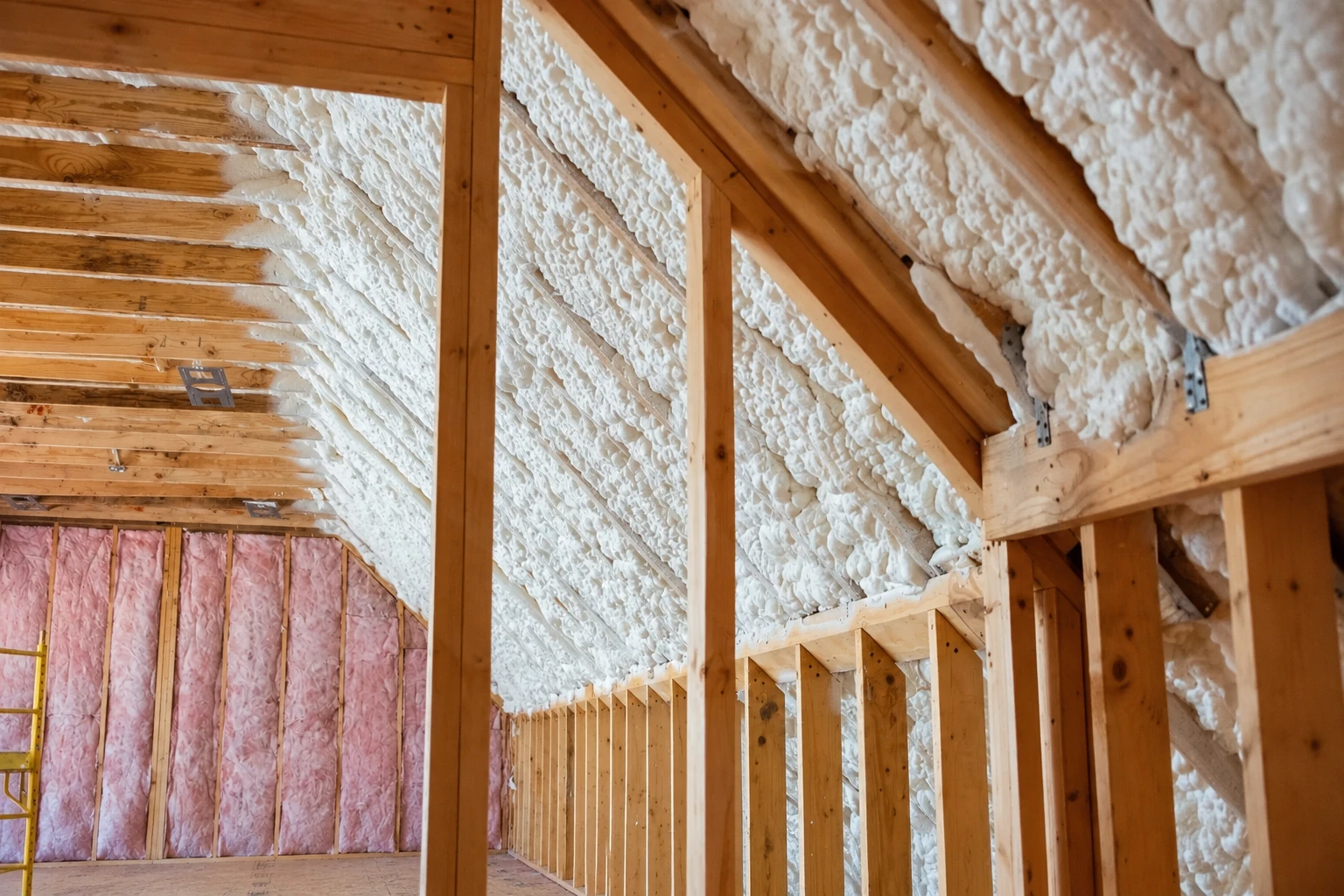
These photos show the usual ways basement walls get insulated, from foam board to spray foam. They're examples of the trade, so you can picture the materials we'll talk about at the estimate.
Commercial spray foam insulation coats the walls and roof of a large timber-framed building, with lumber stacked on the concrete floor.
Close-up of thick cream-colored spray foam filling the spaces between wooden attic rafters.
Loose-fill insulation covers an attic floor, with a yellow depth marker protruding from the material.
A worker in protective coveralls and a respirator sprays foam insulation onto an attic surface.
A worker in protective gear uses a wide hose to remove loose-fill insulation from an attic.
Crawl space floor covered with a white vapor barrier, with brick piers and shiny ductwork overhead.
Get a free look at your basement walls
Send the form and we'll get back to you within one business day to set up a free on-site estimate. I'll come out, look at the walls with you and tell you what I'd do first, with no obligation.
(847) 380-5407Questions about basement insulation in Hoffman Estates
These are the questions I hear most when I'm standing in someone's basement. If yours isn't here, ask me at the estimate and I'll give you a straight answer.
How much does basement insulation cost near Hoffman Estates?
Insulating a basement in the Chicago area usually costs about $1.50 to $2.50 per square foot. That's the going rate for the area, not a quote from us, and where your job lands depends on the material and how much prep the walls need before anything goes on. Once I've seen the basement, I'll walk you through what I found and what I'd do first.
Can I put fiberglass insulation on my basement walls?
It's usually not a good idea, because fiberglass or cellulose against a basement wall can soak up a lot of moisture and stay damp. Covering it with plastic sheeting on the inside makes that worse by trapping the moisture in the wall. If you've got old batts and plastic down there now, I'll look at what's behind them.
How do I get my basement ready for insulation?
Get any water problem fixed first, as I covered above, and make sure your gas appliances will still run safely once the basement is sealed up tighter. National guidance says an appliance without sealed combustion, meaning its own outside air supply, should have its combustion safety checked by a qualified contractor. Clearing the walls so we can reach them helps too.
What is the best way to insulate a basement ceiling?
National guidance says insulating the basement ceiling instead of the walls suits only homes in a dry climate where the basement won't be used as living space. If you use the basement now or want to someday, the walls are the place to start.
Do insulation contractors have to register with the Village of Hoffman Estates?
Yes, every contractor has to be registered on the village's permitting portal, and the Department of Development Services handles that registration. The village explains how it works on its contractor registration page. We're licensed and insured.
Who does radon testing and radon reduction in Illinois?
In Illinois, the people who offer radon testing and radon reduction to the public are licensed by the state's emergency management agency, which also has information on radon risks and how to lower radon at home. We're insulation contractors, so if radon is on your mind, look for someone who holds that state license.
Basement insulation in Hoffman Estates and nearby cities
Insulation here follows the Illinois energy code, and we check with the village whether your job needs a permit, then handle any paperwork. We do the same work in Schaumburg, Palatine and nearby cities.