
Hoffman Estates Insulation ServicesHoffman Estates Insulation Services(847) 380-5407

Insulation contractor in Barrington, IL - drafty rooms fixed in the right order

Hoffman Estates Insulation Services is an insulation contractor based in Hoffman Estates that works in Barrington, IL, sealing air leaks and adding or replacing insulation in attics, walls, crawl spaces and basements for homeowners and building managers.

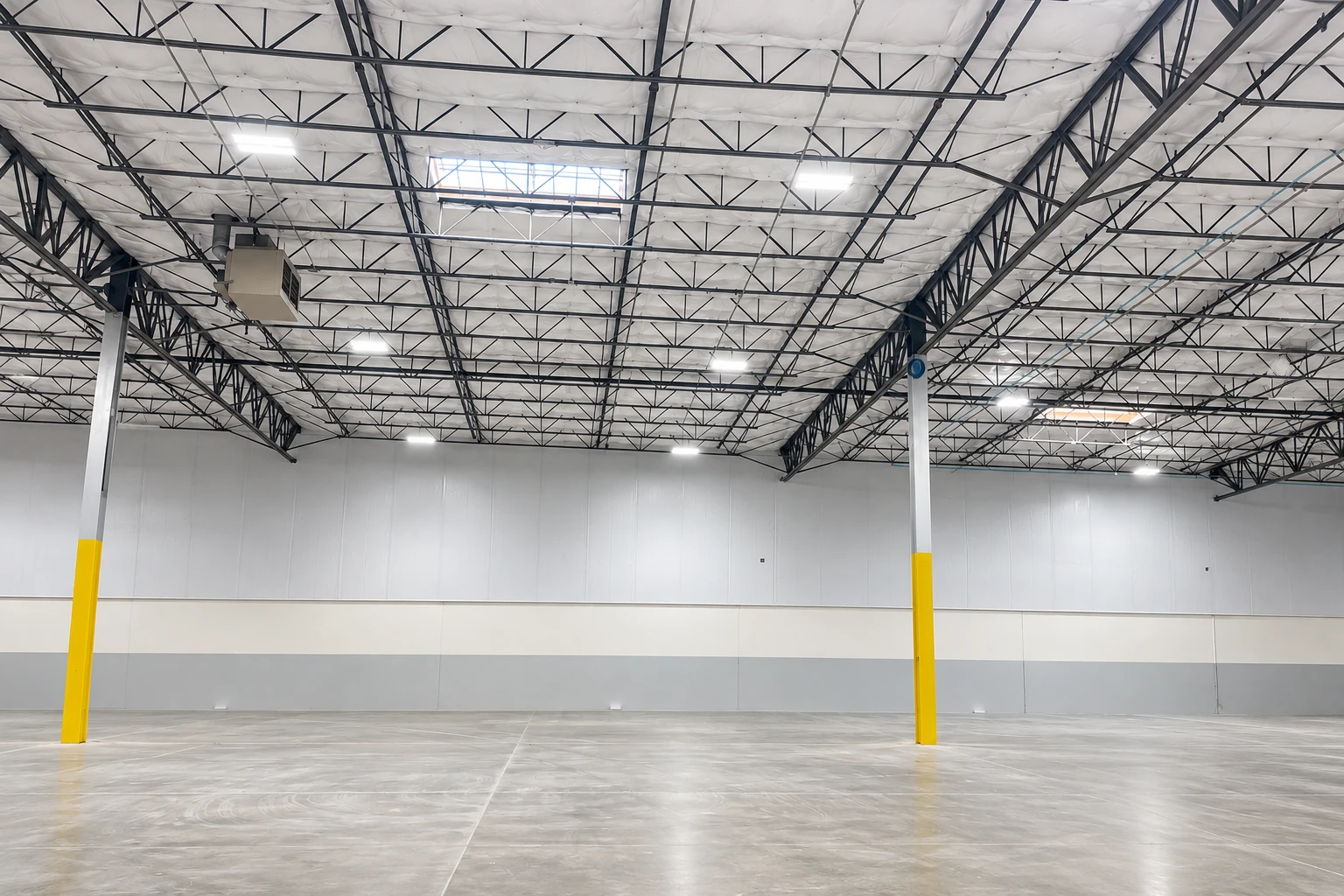
White insulation lines the ceiling of a large commercial warehouse with black steel trusses, bright lights, and yellow-based columns.

Barrington houses and what they ask of insulation

Barrington sits where the suburbs start giving way to country, and you can see it in the houses, from older homes close to the village center to larger houses on bigger lots farther out. We come over from Hoffman Estates, where we're based, and do the same work next door in South Barrington and the cities around it.

An older house usually has an attic that's been added to more than once, so the job starts with finding out what's really up there. A newer, larger house more often has ductwork in the attic or a room over the garage, which changes where the heat gets out and what's worth doing first.

Insulation services we offer in Barrington

A call about insulation usually starts with something you can feel: a drafty room, a hot upstairs, cold floors or a power bill that keeps climbing. The fix depends on where the heat and air are getting through, so we plan each job in the same order, dealing with old insulation and leaks first and adding new material last. Here's what we offer in Barrington, for houses and for commercial buildings, and where each one usually comes in.

  • Spray foam insulation

    Spray foam earns its place in tight or awkward spots, like the framing along the top of a basement wall where outside air sneaks in. It seals and insulates in one pass, so we use it where that matters and suggest something simpler where it doesn't.

    Explore service
  • Attic insulation

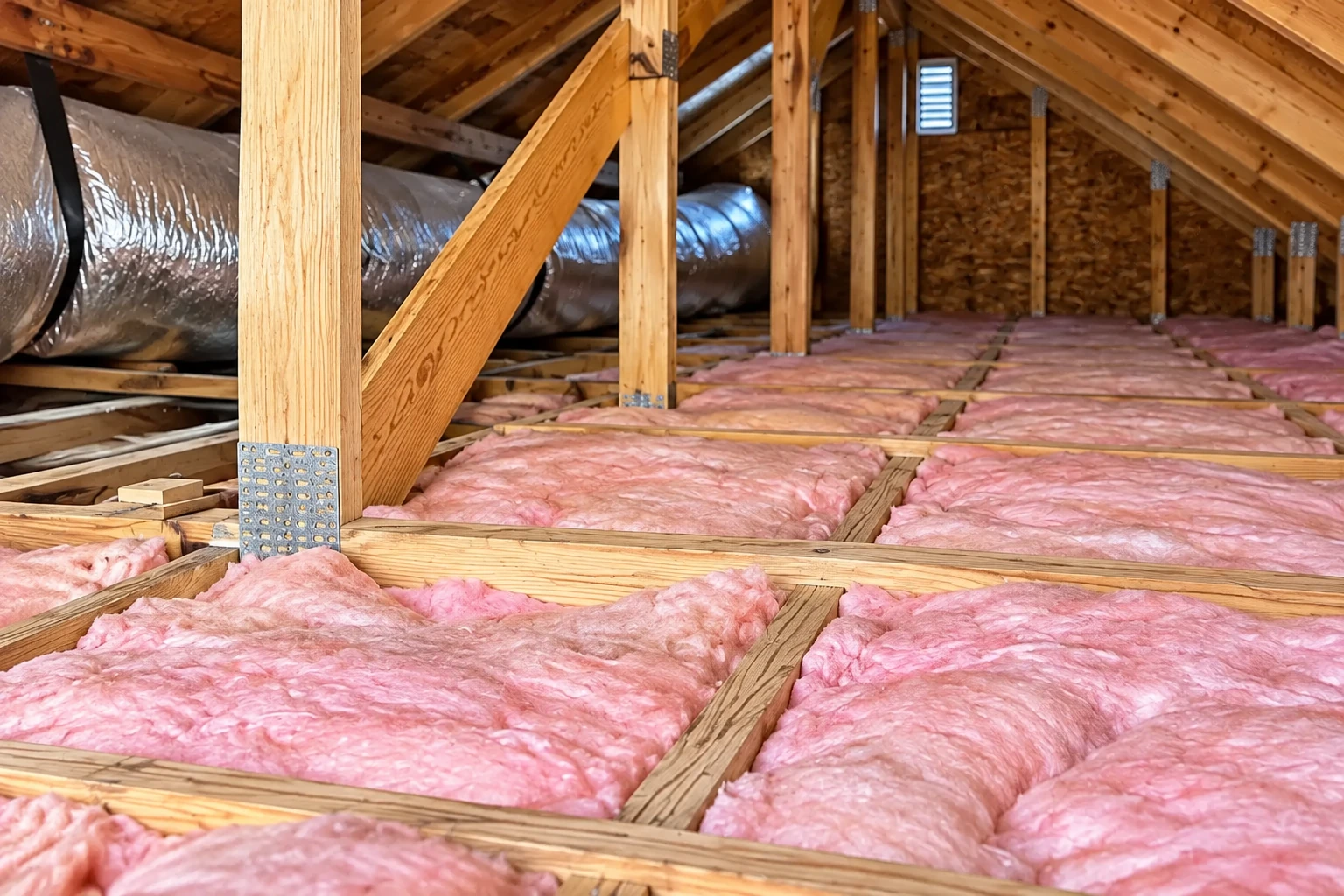
    Most hot-upstairs and high-bill calls trace back to the attic, because that's where heat leaves the house first. We check how many inches are already up there and what shape they're in, then bring the depth up evenly, edges included.

    Explore service
  • Blown-in insulation

    Blown-in insulation, loose fill sent through a hose, is the usual way to top up an attic floor that's settled or thin. We spread it to an even depth and keep it clear of the vents at the eaves.

    Explore service
  • Home insulation

    When a house feels uncomfortable all over, the cause is usually spread across the attic, walls and floors rather than sitting in one spot. We look at the whole house and tell you which part is worth fixing first.

    Explore service
  • Insulation removal

    Old insulation that's soaked, matted or full of droppings has to come out before anything new goes on top. We bag it out, clean up and check the framing underneath before the next step.

    Explore service
  • Crawl space insulation

    Cold floors over a crawl space usually mean outside air under the house with little between it and your living room. We insulate the crawl space walls or the floor above, depending on how the space is built and vented.

    Explore service
  • Wall insulation

    Older walls are often empty or hold insulation that's slumped over the years, and you feel it as a cold outside wall. We can usually fill them through small holes rather than opening up the drywall.

    Explore service
  • Air sealing services

    Air sealing, closing the gaps before insulating, matters as much as the insulation itself in a drafty house. We find the leaks around pipes, wires, outlets and trim and close them so the new insulation isn't fighting a draft.

    Explore service
  • Basement insulation

    A finished or half-finished basement loses heat through its walls and the framing that sits on top of them. We insulate those walls and seal that top edge so the space holds its heat.

    Explore service
  • Closed-cell foam insulation

    Closed-cell foam, a dense foam that blocks moisture, is the pick for spots that stay damp, like crawl space walls. We use it where a softer material would soak up water and stop doing its job.

    Explore service
  • Open-cell foam insulation

    Open-cell foam is softer and lighter, and it fills odd shapes well, like the sloped ceilings over a finished attic room. We suggest it where moisture isn't the worry and a tight fill is.

    Explore service
  • Commercial insulation

    Building managers call us about offices and storefronts with cold spots or heating bills that don't make sense. We look at the roof, walls and leaks the same way we would at a house, then plan the work around your hours.

    Explore service
  • Crawl space vapor barrier

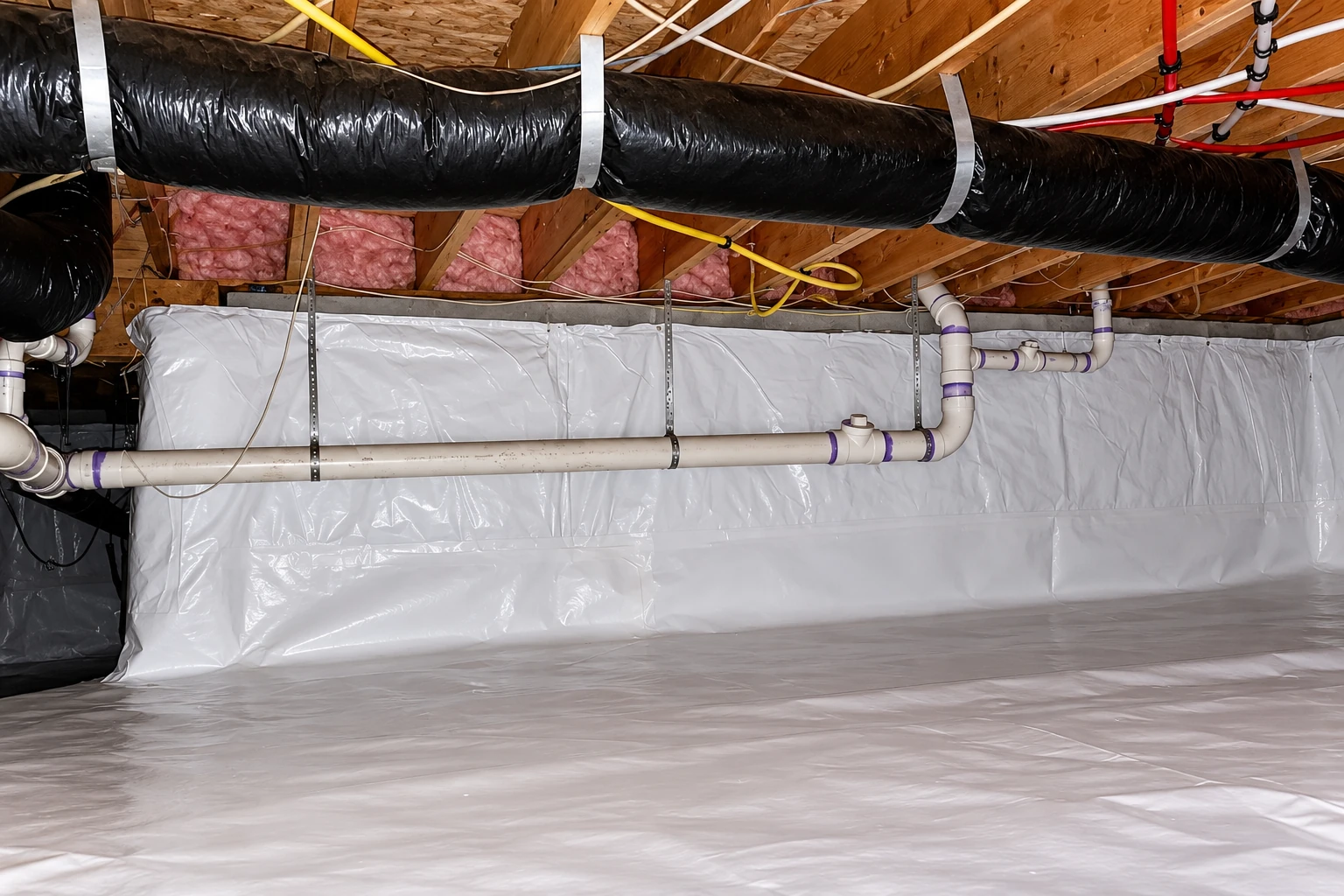
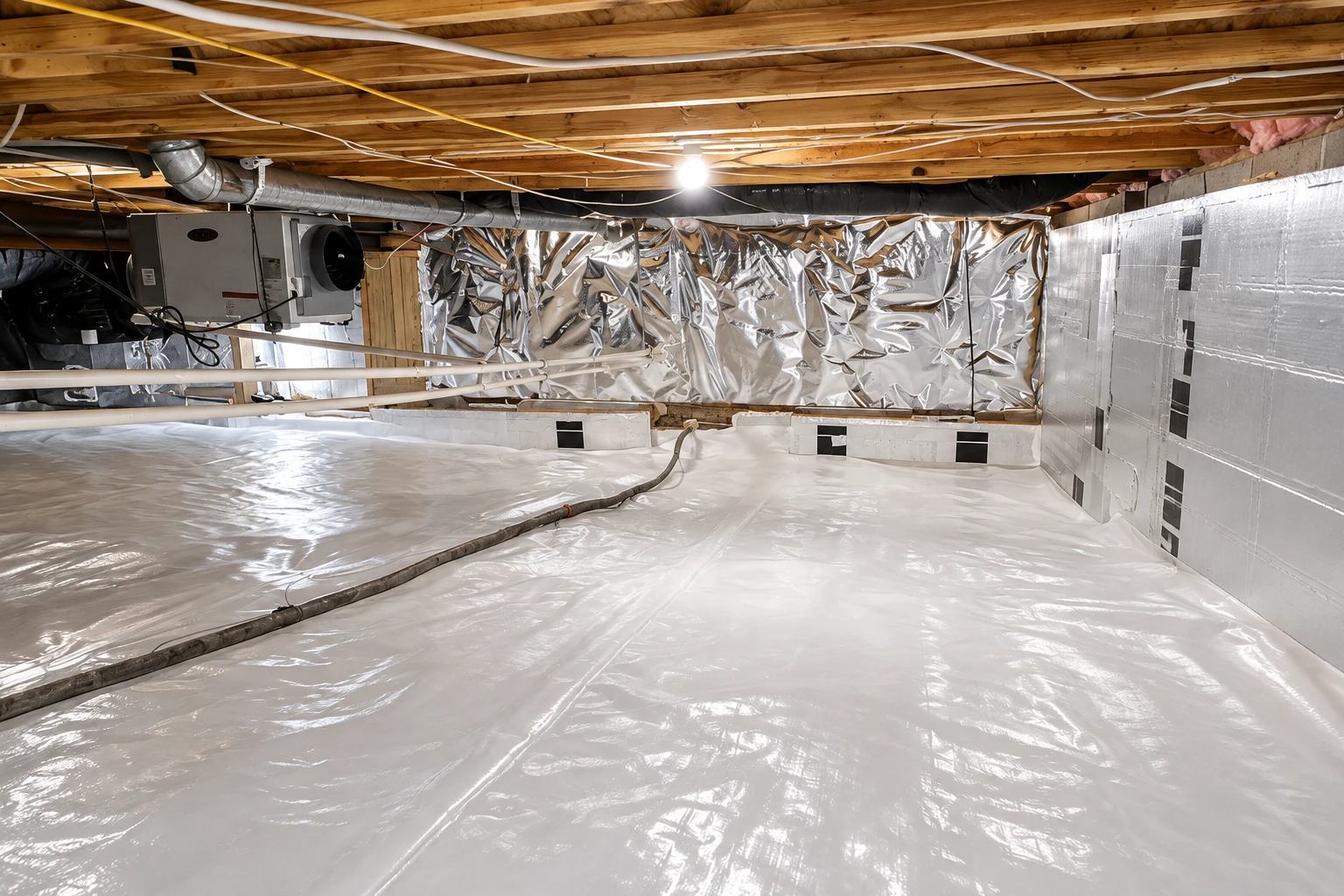
    A crawl space with bare dirt lets ground moisture rise toward the floor above. We lay a vapor barrier, a heavy sheet that keeps that moisture down, across the floor and up the walls.

    Explore service
  • Vapor barrier installation

    Walls and ceilings next to cold spaces can trap moisture when the barrier is missing or on the wrong side. We put it where it belongs for how your house is built, so the insulation stays dry.

    Explore service
  • Attic air sealing

    Can lights, the attic hatch and the holes where pipes and wires pass through the ceiling all let warm air escape upward. We seal those from above before any insulation goes down.

    Explore service
  • Retrofit insulation

    Retrofit insulation, adding it to a house you already live in, is how most older homes get brought up without a remodel. We work through the attic, walls and crawl space from the access points that are already there.

    Explore service

What to know before we start a job in Barrington

Barrington runs its own permits, so the paperwork comes before the attic work. Here's how that plays out on your job, and what decides the price and the timing once I've had a look.

Who handles the permit on Barrington jobs

In the Village of Barrington, permits go through the village Building Division, and the village holds you, the property owner, responsible for making sure a permit is applied for, approved and issued before any work starts. That matters for timing, because if your job needs a permit, nobody should climb into the attic until it's in hand, so the village's review sets the earliest start date.

A contractor can handle the permit process for you, and every contractor and subcontractor on a village permit has to be registered with the village or the permit won't be issued, so it's a fair thing to ask anyone you're thinking of hiring. On our side, we check with the village for each job and take care of any permit and paperwork the work calls for.

  • Any permit has to be issued before anyone works in your attic.
  • Every contractor on a village permit must be registered with the village.
  • We check with the village first and handle the paperwork.

What moves the price and the timing

The price turns mostly on what's already up there and whether any of it has to come out first, since removal is its own piece of work. After that it comes down to how much sealing the ceiling needs, whether a room over the garage or a crawl space is part of the job, and how easy your attic is to get around in.

Then there's the choice of material. Spray foam costs more and seals air while it insulates, but sealing the gaps and topping up loose fill is usually the better buy, unless your ductwork runs through the attic. Timing follows the same choices, plus any permit review, and your own figure comes from the estimate once I've been up there.

  • Removing old insulation is the biggest swing in both price and time.
  • Ductwork running through the attic is the usual reason foam earns its cost.
  • Spray foam means a wait before you, the kids and pets return.

Get a free on-site insulation estimate for your Barrington home

Tell us what's going on and the property address, by phone at (847) 380-5407 or through the form, and we'll reply within one business day to set up a visit. On most Barrington jobs I come out myself to look over the attic and the problem rooms, and the estimate is free with no obligation to go ahead.

(847) 380-5407

What we usually find above the ceiling and under the floor

Most of the problems people call about start in a few predictable places. Here's what we look for first in a Barrington house, and why each one matters before any new insulation goes in.

  • Layers of old insulation

    Attics that have been topped up more than once often hold a mix of materials, and the bottom layer may be soaked, matted or full of droppings. Piling more on just buries what's wrong, so we dig down, see what's there and pull out anything that can't stay.

  • The cold room over the garage

    A bedroom over the garage often stays cold no matter what the thermostat says, because the garage below and the attic space beside it are both unheated. We check the floor over the garage and the short walls around the room, since that's usually where the heat slips out.

  • Bath fans venting into the attic

    A bathroom fan that blows into the attic instead of outside puts warm, wet air right where the insulation sits. We trace where the fans actually end up before insulating, because damp insulation and damp framing are problems we'd rather catch early.

  • Vents buried at the eaves

    When insulation gets piled out to the edge of the roof, it can bury the vents at the eaves, and the attic stops breathing. Moisture then starts showing up in the framing, so we keep a clear air path at the edges while we fill.

  • Deep in the middle, thin at the edges

    A lot of attics are piled deep in the middle, where it's easy to reach, and thin along the edges, where it's tight under the roof. That's backward, because the edges sit over the outside walls, so we check the depth all the way out.

What to expect when you call us about insulation

I started out selling insulation jobs and learned the work by climbing up with the installers. Here's how that shapes the way we handle a house in Barrington, from the first look to the last bag.

We look first, seal second, insulate last

I care most about the order, because insulation laid over a leak or a problem nobody checked just hides it. Think of your house like a chimney. Warm air rises, slips out through the holes at the top, and pulls cold air in at the bottom, so piling more insulation on an attic full of gaps barely touches the draft you feel downstairs.

So on most jobs I come up first and look before anyone quotes anything. Old insulation that can't stay comes out, the gaps get sealed, and only then does the new insulation go in. If what's up there is fine and the job isn't worth doing, I'd rather tell you that than sell you something your house doesn't need.

  • I come out to look myself

    On most jobs I'm the one who comes out, climbs into the attic and walks the house with you before there's a number on paper. Our installers do the work, and they go in knowing what I saw up there and why.

  • Houses that don't make sense

    The calls we're best known for are the odd ones, like a room that's cold no matter what or an attic nobody has been able to explain. Those take patience and a few questions back to you about when and where it feels wrong, before anyone opens a bag of anything.

  • Licensed, insured and guaranteed

    We're licensed and insured, and the promise we make is a plain one. Your satisfaction, guaranteed. Before the crew starts, I go over what's going in and why, so you know what you're paying for and can ask about anything that doesn't add up.

  • Working these suburbs since 2017

    We've been at this since 2017, working out of Hoffman Estates across the cities around it in the northwest suburbs. If something in your Barrington house doesn't feel right, call (847) 380-5407 and tell me what's going on.

Barrington insulation questions about permits, addresses and cost

Here are straight answers to what a Barrington homeowner usually wants to know before insulation work starts. Most of it comes down to the village's permits, because that's what decides when we can begin.

Do I need a permit to add insulation in Barrington, IL?

It may, and the village Building Division is the place to find out for your address. Barrington asks for permits even on one-for-one replacements like a new roof or a water heater, so we don't assume an insulation job is exempt. We check with the village before scheduling your job.

How do I check if my Barrington address is inside the village?

Use the address search on the village's development services FAQ page, which shows whether your property sits inside village boundaries. Plenty of homes around the village carry a Barrington address without being in it, and in most cases, though not all, a five-digit street number means you're outside. The village has no building or zoning information for those properties, so we confirm which office covers your address before we start.

How long does a building permit take in Barrington, IL?

A standard permit in Barrington usually takes about 8 to 10 business days to be reviewed, processed and issued. New construction, large remodels, additions and commercial projects will likely take longer. If your insulation job needs a permit, we build that wait into the start date we talk through with you.

How much does it cost to insulate an attic in Barrington?

Sealing the gaps and topping up what's already there is usually the least expensive way to fix an attic, and the cost climbs when old insulation has to come out or the job calls for spray foam. Every attic starts from a different place, so I'd rather measure what you have than guess at a number over the phone.

Service areas

We're based in Hoffman Estates and work across the cities around it, including South Barrington, Inverness, Palatine and Arlington Heights. If your city isn't listed below, call (847) 380-5407 or use the form and ask.

Ask about your location
(847) 380-5407Get an estimate