
Hoffman Estates Insulation ServicesHoffman Estates Insulation Services(847) 380-5407

Insulation contractor in Arlington Heights, IL - warmer rooms, sealed attics

Hoffman Estates Insulation Services insulates attics, walls, crawl spaces and basements in Arlington Heights, IL. We find where the heat and drafts are getting through, seal those gaps, then add insulation where your house actually needs it.

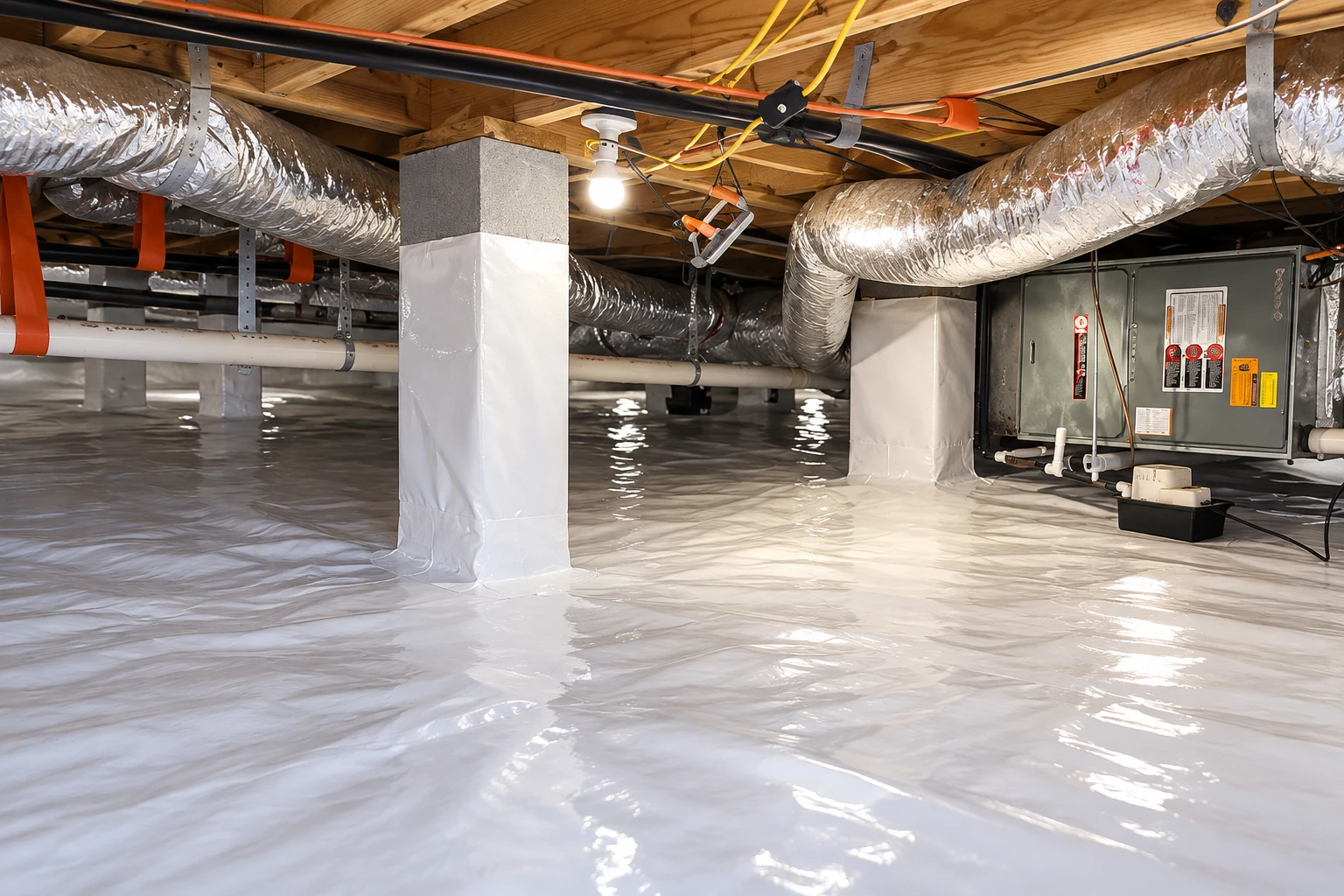
A crawl space has a white vapor barrier covering the floor, with silver ducts, pipes, and equipment overhead.

Arlington Heights houses, as we see them from the attic

Most calls we get from Arlington Heights start one of a few ways: a bedroom that's hot upstairs all summer, a room over the garage nobody wants to sit in, or a power bill that keeps creeping up. It's the same mix of calls we get next door in Mount Prospect and up in Palatine, and the attics here often carry a few rounds of history, with old batts under loose fill and a patch someone added after a remodel.

That's why I want to see what's already up there before we talk about adding anything, because the inches you have, what shape they're in and how air moves past them decide whether we top up, seal first or pull it out.

Insulation work we do for Arlington Heights homes and buildings

We handle the whole house here, from the attic down to the crawl space, and we take on commercial buildings too. Every job gets planned the same way. I look at the house first, usually myself, and work out where air is getting in and where heat is getting out. Then we set the order, which nearly always means fixing leaks and clearing bad material before new insulation goes in, so the new work isn't hiding an old problem. Here's what each service is for.

  • Spray foam insulation

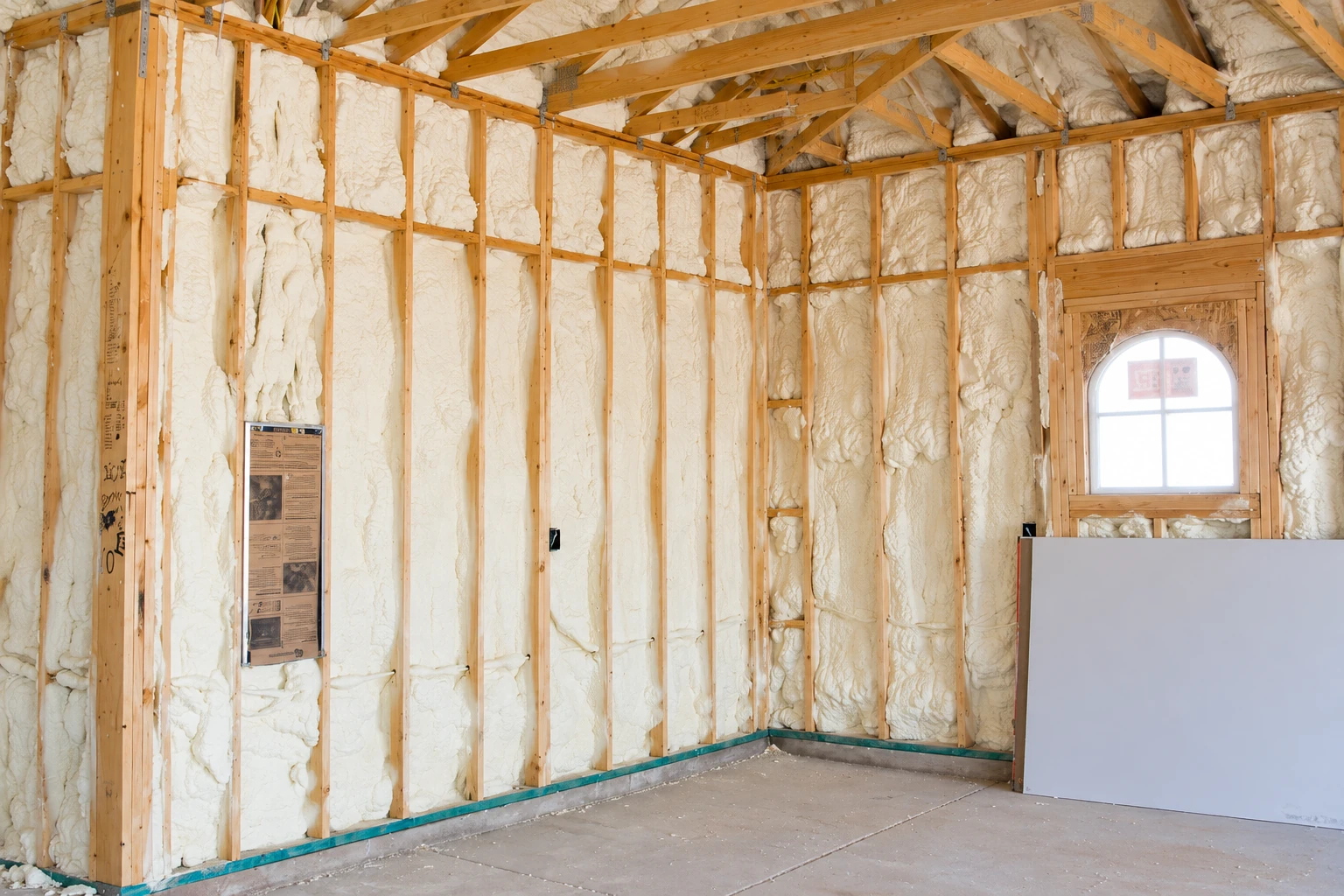
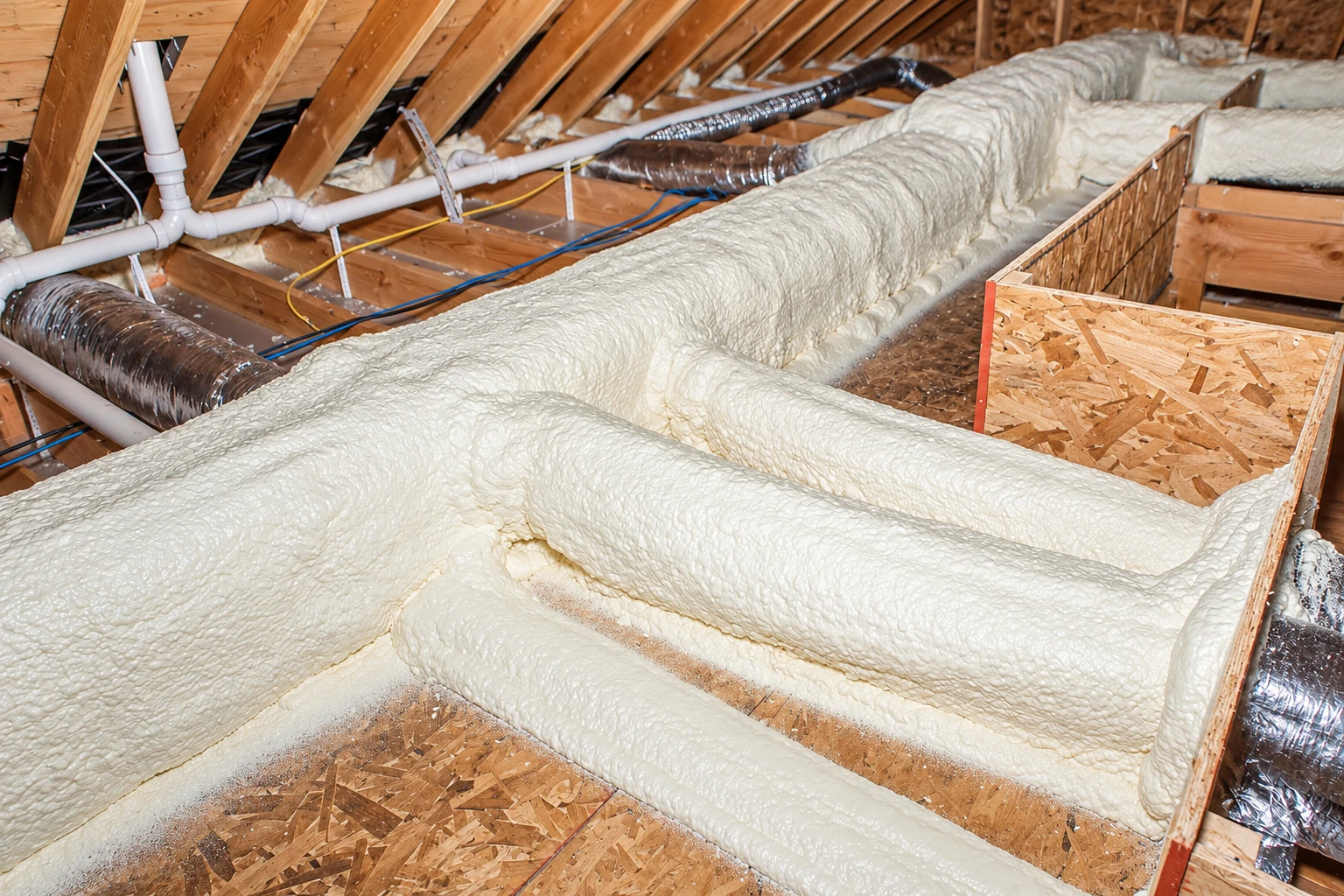
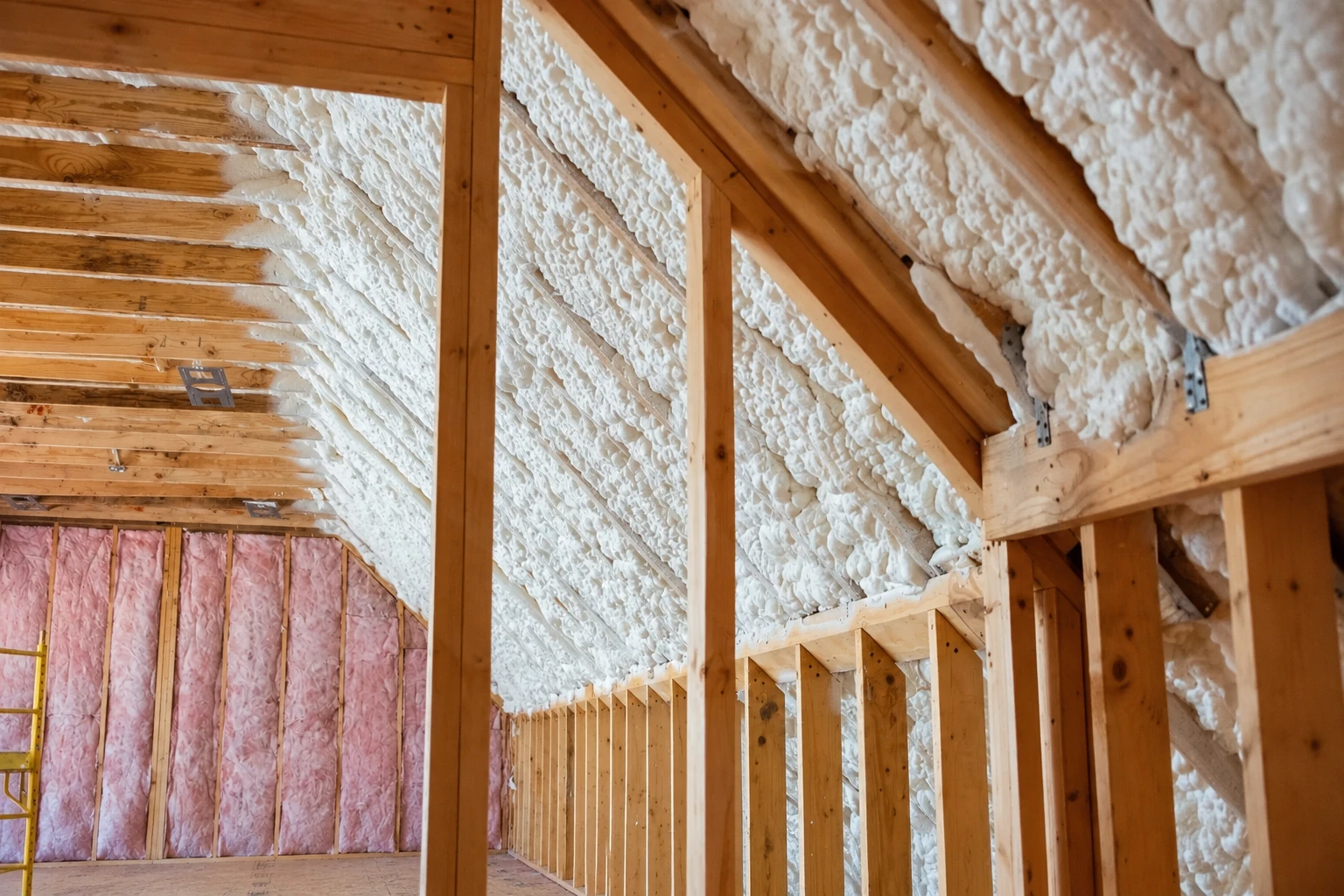
    Spray foam makes sense when ductwork runs through the attic or a rim joist leaks cold air along the basement wall. We spray it where it seals and insulates at once, and we'll tell you when sealing and loose fill would do the job for less.

    Explore service
  • Attic insulation

    Most hot-upstairs calls here trace back to an attic that's thin at the edges or has settled over the years. We check what's there, seal the gaps, then bring the depth up evenly, eaves included.

    Explore service
  • Blown-in insulation

    Blown-in insulation, loose fill blown through a hose, is how we top up most attics because it fills around joists and wiring without gaps. We set baffles, short chutes that hold the airway open, so the eave vents stay clear.

    Explore service
  • Home insulation

    When several rooms feel off and you can't tell why, we look at the whole house instead of one spot. We follow the air from the basement to the attic and give you the fixes in the order they should happen.

    Explore service
  • Insulation removal

    Old insulation that got soaked by a roof leak or filled with droppings has to come out, because new material over it keeps the problem. We vacuum it out and clean the attic floor before anything new goes down.

    Explore service
  • Crawl space insulation

    Cold floors over a crawl space are a common winter complaint in the older houses we see. We insulate the crawl space walls or the floor above, depending on how the space is vented and what runs through it.

    Explore service
  • Wall insulation

    Exterior walls in older homes often have little or nothing in them, which is why a room stays cold with the heat turned up. We fill those cavities through small openings and patch them when we're done.

    Explore service
  • Air sealing services

    Air sealing, closing the gaps before insulating, is the step that fixes most drafty rooms. We seal around pipes, wiring, chimneys and the attic hatch so the insulation isn't fighting a draft.

    Explore service
  • Basement insulation

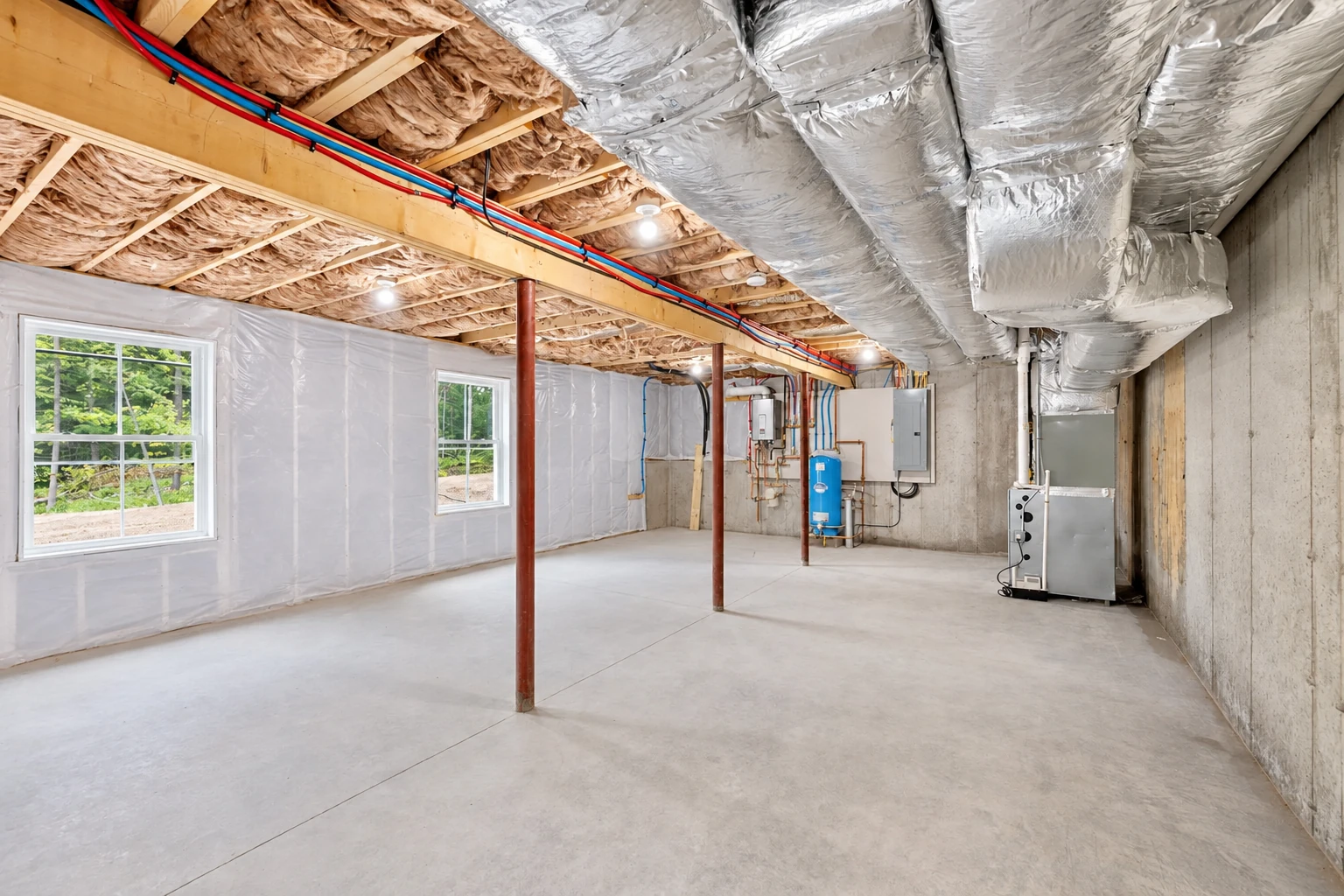
    Finished basements often run cold along the outside walls and the rim joist above them. We insulate those walls with material that handles basement moisture, so dampness doesn't get trapped behind the drywall.

    Explore service
  • Closed-cell foam insulation

    Closed-cell foam, a dense foam that blocks moisture, suits rim joists, crawl space walls and tight spots with no room for thick insulation. It costs more, so we use it where that density earns its keep.

    Explore service
  • Open-cell foam insulation

    Open-cell foam is softer and lighter, and it works under a roof deck or in walls where air leaks and noise bother you more than moisture. We'll tell you whether it fits your spot or closed-cell is the better call.

    Explore service
  • Commercial insulation

    Building managers call us about offices, shops and multi-unit buildings with uneven heat or high bills. We plan the work around your tenants and do the same sealing and insulating we do in houses.

    Explore service
  • Crawl space vapor barrier

    A bare dirt crawl space lets ground moisture rise into the floor framing and the rooms above. We lay and seal a vapor barrier across the floor and up the walls so that moisture stays down.

    Explore service
  • Vapor barrier installation

    Basements, crawl spaces and some walls need a layer that keeps damp air out of the insulation. We put it on the side your house needs it, because a barrier in the wrong place can trap water instead.

    Explore service
  • Attic air sealing

    Can lights, plumbing stacks and the attic hatch are the leaks we find most often in attics. We seal them before any insulation goes down, since they're much harder to reach afterward.

    Explore service
  • Retrofit insulation

    Retrofit insulation means adding it to a finished house without tearing out walls or ceilings. It's how we work on most established homes, through the attic, the crawl space and small wall openings.

    Explore service

Working in Arlington Heights: permits, contractor checks and price

Before anyone climbs into your attic, it helps to know who issues permits, what to check about a contractor and what sets the price. Here's how that works on an Arlington Heights job, and what we handle.

Who issues the permit and what to check

If your property is in unincorporated Cook County, the Cook County Department of Building and Zoning issues permits for all work there except ordinary repairs. For a house inside the Village of Arlington Heights, we check with the local office before we schedule anything, because when a permit is needed, the work waits until it's issued.

Every contractor working in unincorporated Cook County has to register with the county, and that's separate from any state trade license. The Illinois licenses people ask about cover plumbing, irrigation and roofing only, so for insulation the things worth asking about are that county registration, where it applies, and insurance. We're licensed and insured, and we take care of any permit and paperwork the job calls for.

  • In unincorporated Cook County, the county issues permits except for ordinary repairs.
  • Every contractor working in unincorporated Cook County must register with the county.
  • We check with the local office and handle the permit paperwork.

What sets the price and the schedule

The price mostly comes down to what's already in the attic and what has to happen before new insulation goes in. If the old material is soaked or full of droppings, it comes out first, and a lot of can lights, pipes or a leaky hatch means more air sealing. Where foam goes changes the number too, since it costs more than loose fill.

Foam seals air while it insulates, but sealing the gaps and topping up loose fill usually wins, unless your ductwork runs through the attic. The schedule turns on the permit, when one's needed, and on how much removal and prep come first. You'll get your own figure once one of us, usually me, has been up there.

  • Soaked or dirty old insulation comes out before anything new goes in.
  • Gaps around can lights, pipes and the hatch get sealed first.
  • Foam goes where ductwork or tight spots make the cost worth it.

Get a free on-site insulation estimate for your Arlington Heights home

We reply within one business day, and the estimate is free, done at your Arlington Heights house and comes with no obligation. I come out to look at most jobs myself, check the attic and any room that's giving you trouble, and tell you what I'd do first and what can wait.

(847) 380-5407

What we usually find in Arlington Heights attics and crawl spaces

Every house is different once the hatch is open, but a handful of problems come up over and over. These are the ones we look for first, because each one changes what the job should be.

  • Layers of old insulation

    Plenty of attics have been topped up more than once, so we find old batts under loose fill under something newer. We check the bottom layer before adding anything, because if it was soaked by a roof leak or full of droppings, covering it just keeps the problem.

  • Open gaps around can lights

    Recessed lights, plumbing vents, wiring holes and the attic hatch let warm air rise straight into the attic. Insulation slows heat but doesn't stop moving air, so if those gaps stay open, a room can feel drafty even under a thick layer.

  • Buried eave vents

    When insulation gets blown right into the eaves, it can block the vents that let the attic breathe. Moisture then builds up in winter and shows as frost or dark stains on the roof framing, so we keep that airway open before we blow anything.

  • Thin edges, deep middle

    Insulation often ends up deepest in the middle of the attic, where it's easy to reach, and thinnest at the edges over the outside walls. That's backward, and it's a common reason the rooms along the outside of the house feel cold.

  • The room over the garage

    A room built over a garage loses heat through its floor as well as its walls and ceiling, so it's often the coldest or hottest spot in the house. We look at the floor below, the kneewalls and the duct running to it before suggesting anything.

How we handle an insulation job, and why

Here's how we handle insulation jobs in Arlington Heights, and the reasons behind each choice. It comes from years of climbing into attics and seeing what holds up once the hatch is open.

We fix the cause before adding insulation

Picture your house as a chimney. Warm air rises and slips out through gaps in the attic floor, and cold air gets pulled in down low to replace it. That's why we seal those gaps and deal with any leak or bad old material first, because insulation laid over a problem nobody checked just hides the trouble.

I'd rather tell you a job isn't worth it than sell you something your house doesn't need. If your attic already has decent depth and the real issue is a leaky hatch, that's what you'll hear from me. Your satisfaction, guaranteed. Call (847) 380-5407 or send the form, and we'll set up a time to come look.

  • I look at most jobs myself

    When you call, it's usually me who comes out, climbs into the attic and walks the house with you. Our installers then do the work, so the plan they follow comes from someone who has actually seen your attic.

  • Houses that don't add up

    We're best known for the houses that don't make sense at first, like a room that's cold no matter what or an attic with three kinds of old insulation in it. We trace the air before guessing, so the fix matches the cause.

  • Nine years at this, since 2017

    I started out selling insulation jobs for another company, then climbed up with the installers and learned the work from them. I opened this business in 2017, so I know the gap between what gets promised and what gets done.

  • A clean path to the attic

    We cover the path from your door to the attic hatch and clean up as we go, so dust and loose fill don't end up in your hallway. Before we leave, we show you the attic so you can see the depth and the sealed gaps.

Insulation questions we hear from Arlington Heights homeowners

These are the questions about permits, codes, cost and timing that come up most on Arlington Heights jobs. If yours isn't here, call and ask, because the answer usually starts with a look at the attic.

Do I need a permit to add insulation to my house in Arlington Heights, IL?

If your house is in unincorporated Cook County, the county requires a permit for all work except ordinary repairs, and its Department of Building and Zoning issues it. For a home inside the Village of Arlington Heights, we check with the local office for your job before we start. Either way, we take care of any permit and paperwork the work calls for.

How do I find out if my Arlington Heights address is in unincorporated Cook County?

Look up your address on the county's CookViewer map, which shows whether a project sits in unincorporated Cook County. If it does, the county's permit rule applies, and the county asks you to review its permit requirements before applying. We check this for every job anyway, so you don't have to.

Which building code applies to my house in Arlington Heights?

Illinois has required statewide building codes since January 1, 2025, and local codes and amendments still apply where a city, village or county has adopted a building code. The state's Capital Development Board says the best answers to code questions come from the local code official, which for an Arlington Heights house is the local office. That's who we ask before we start.

What causes the upstairs to stay hot in an Arlington Heights house?

Usually it's air leaking up through gaps in the ceiling plus attic insulation that's thin or packed down, especially near the edges. Sun bakes the attic all afternoon, and without enough sealing and insulation, that heat comes straight down into the bedrooms. We check the depth, the gaps and the vents before suggesting a fix.

How much does attic insulation cost in Arlington Heights?

Your price comes mostly from the attic's size and access and how much prep comes before the new insulation, so we give you a number after seeing it in person. A low hatch, a crowded attic or storage on the floor adds work, while an open attic with sound old insulation that just needs topping up usually keeps it down. Call (847) 380-5407 to set up a visit.

How long does attic insulation take, and do we have to leave the house?

With blown-in insulation you can usually stay home, and how long our crew is up there depends on the attic's size and how much sealing and cleanup come first. Spray foam is different, because it has a re-entry time, how long before people and pets can come back inside, set by the foam maker. We go over that with you before the day we spray.

Service areas

Besides Arlington Heights, we work in Hoffman Estates, Schaumburg, Palatine, Mount Prospect, Des Plaines and the other cities below. Don't see yours? Call (847) 380-5407 and ask, since these pages don't cover every city we work in.

Ask about your location
(847) 380-5407Get an estimate