
Blown-in insulation in Hoffman Estates IL - even depth across the whole attic
Hot upstairs in summer, cold rooms in winter and a power bill that climbs? We seal the attic first, then blow it in evenly.
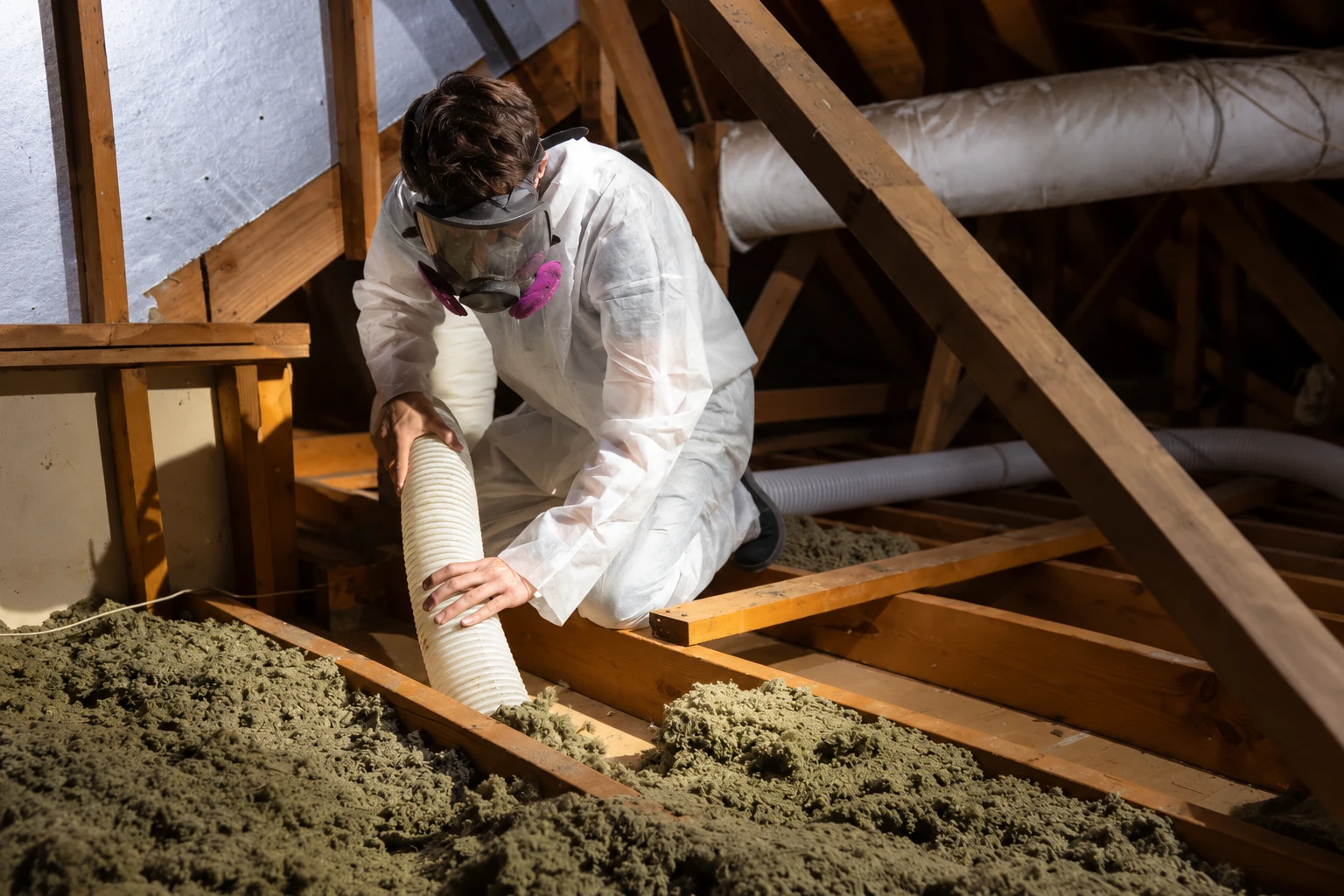
Is your attic ready for blown-in insulation, or does something come first?
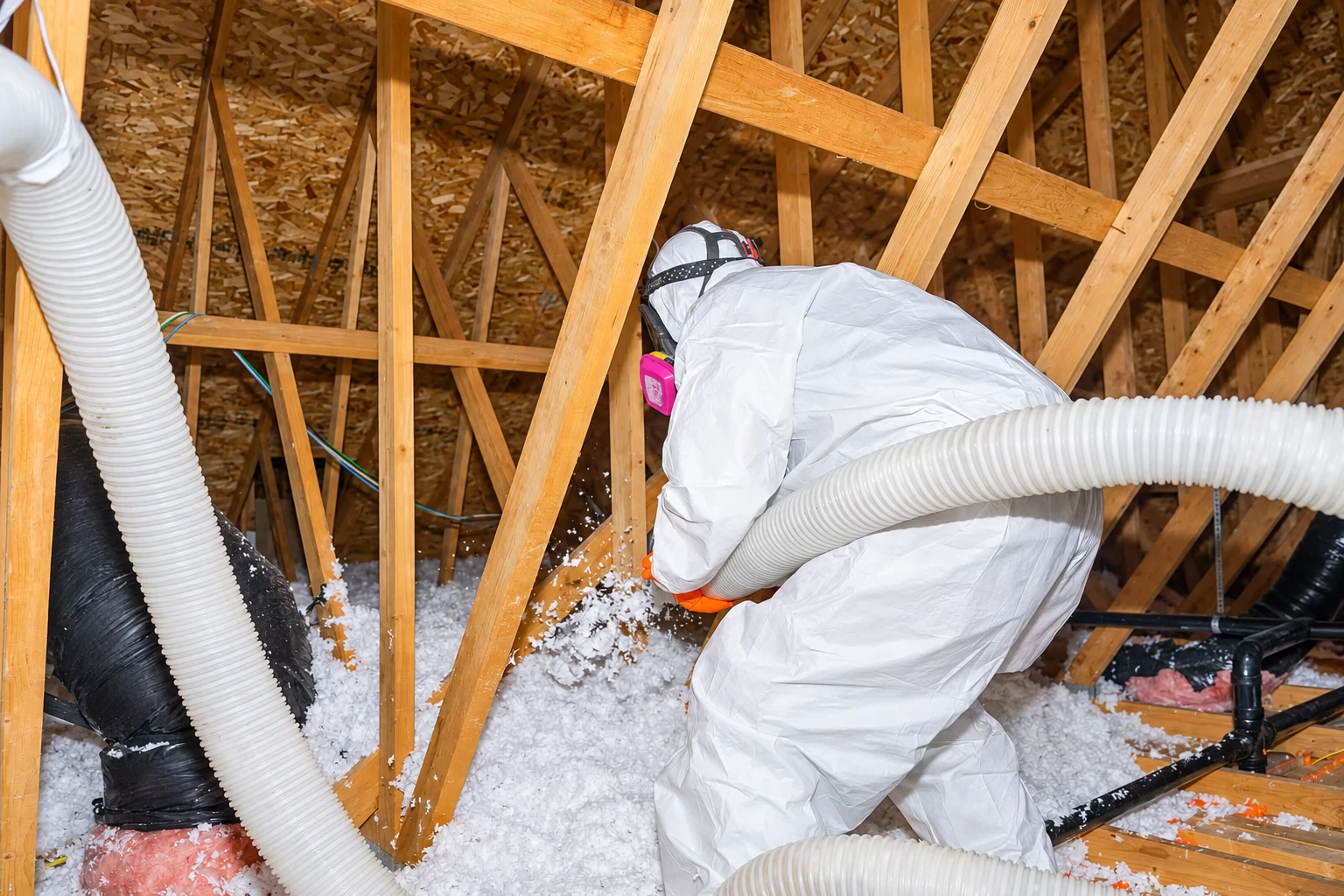
Blown-in insulation is loose cellulose or fiberglass blown through a hose across your attic floor so the ceiling holds heat better, and in Hoffman Estates we usually seal the gaps underneath it before any goes in.
Most calls start with a hot upstairs, a drafty bedroom or a power bill that keeps climbing, and the attic is usually the first place I look. Before anything gets blown in, we close the gaps around pipes, wires and the hatch with attic air sealing, and we fix anything wet, rotted or unsafe up there, because insulation laid over a problem just hides it.
The price mostly comes down to how big the attic is, how many inches are already up there, whether old material has to come out and how much sealing the floor needs. The schedule mostly turns on what has to happen first, like a repair or a lab test, and you'll get your own figure from the estimate once I've been up there.
- Following the insulation maker's instructions, we check whether each recessed light is rated to touch insulation and shield any that aren't.
- Sealing and insulating the attic as one job can help keep ice dams from forming.
- Closed outside walls can take blown-in insulation too, without tearing out the drywall.
What happens when you call us about blown-in insulation?
Most blown-in jobs follow the same four steps, and I'm involved at the start and the end. The order matters, because the attic tells me what has to happen before any insulation goes in.
Call or send us a message
Call (847) 380-5407 or use the form, and we'll get back to you to set a time for me to come out. It helps if you can tell us where the attic hatch is, whether you have recessed lights in the ceiling and whether the furnace or water heater runs on gas or oil.
I climb up and look
I go up in the attic or down in the crawl space, check how many inches are already there and look for wet spots, droppings, odd fill and buried vents, while I ask what you've noticed in the rooms below. Then I walk you through what I found and what I'd do first, and nothing starts until you've decided.
Our installers do the work
If you go ahead, our installers do the work in the order we talked about, with the fixes and sealing first and the insulation last. If the attic turns up something nobody could see at the estimate, I'll talk it over with you before they go any further.
I go over the job
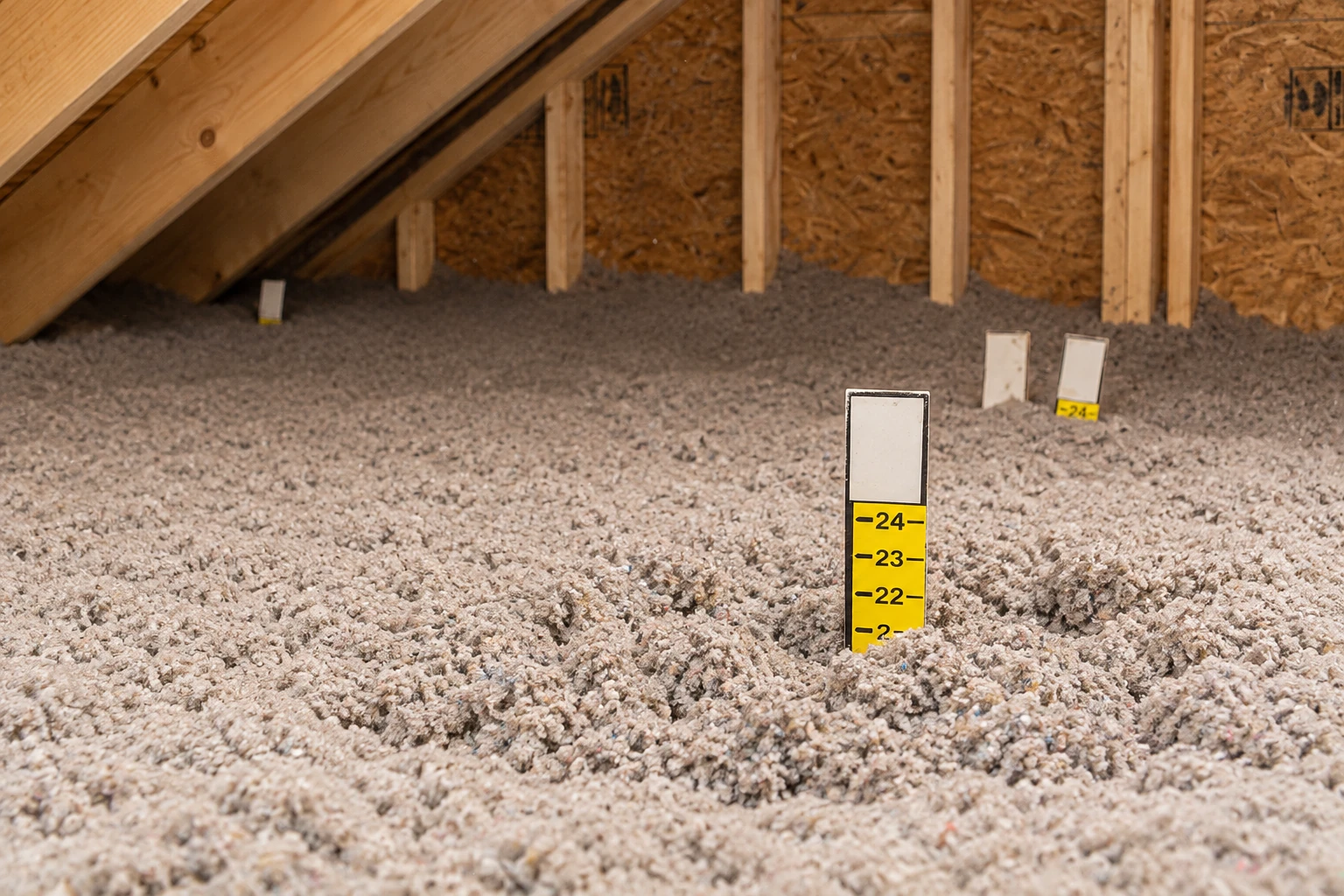
When the installers are done, I go over the finished attic with you, and you're welcome to climb up and look. You should see open eaves and the same depth at the edges as in the middle.
What blown-in insulation looks like in an attic
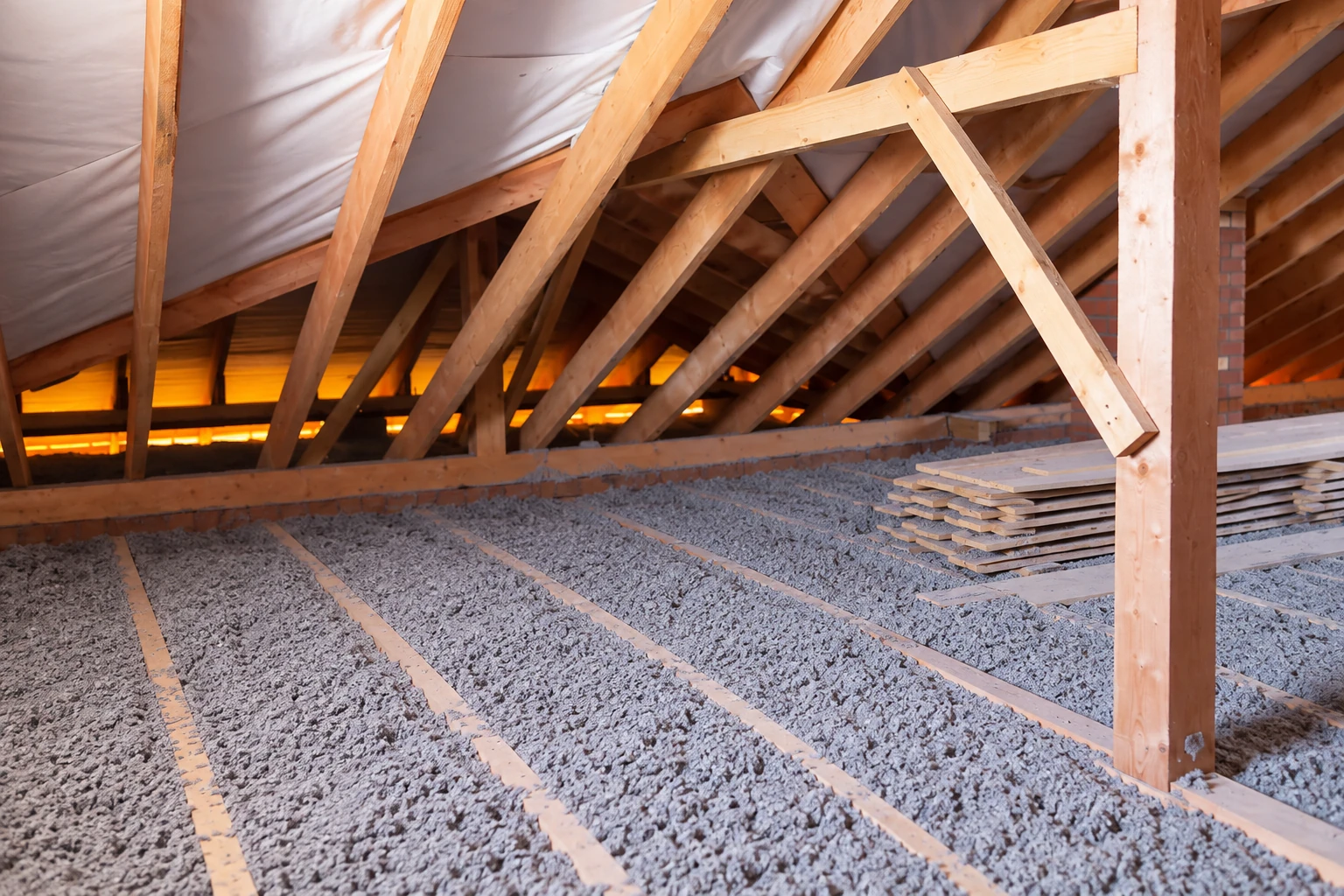
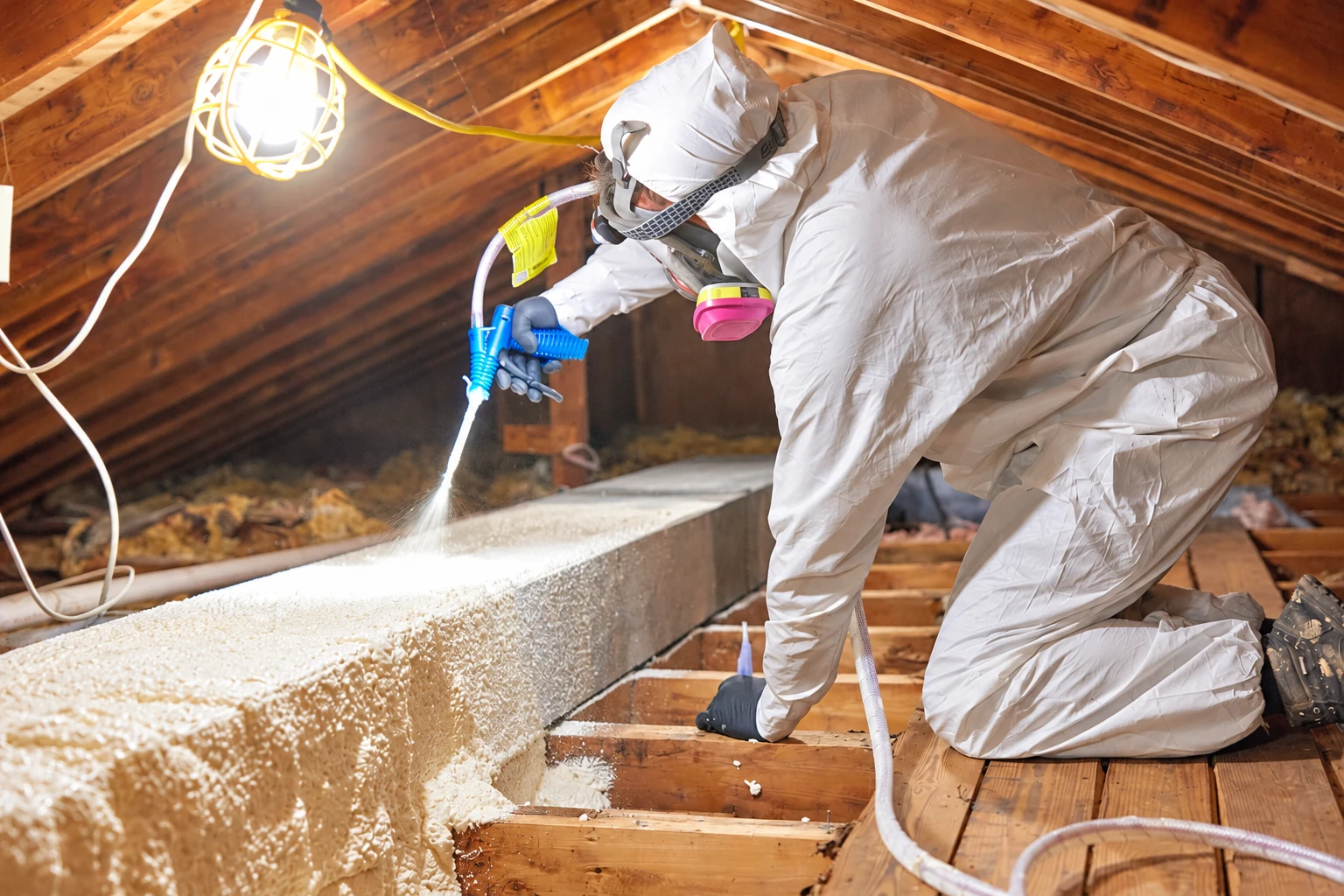
These photos show the kind of work blown-in insulation involves, like baffles at the eaves, depth rulers and loose fill spread across an attic floor. They're examples of the trade, not pictures of our own jobs.
Commercial spray foam insulation coats the walls and roof of a large timber-framed building, with lumber stacked on the concrete floor.
Close-up of thick cream-colored spray foam filling the spaces between wooden attic rafters.
Crawl space floor covered with a white vapor barrier, with brick piers and shiny ductwork overhead.
Unfinished wall cavities filled with pink fiberglass insulation between exposed wooden studs.
White spray foam coats the underside of a ceiling framed with metal channels above open arches.
Unfinished basement with white plastic-covered walls, exposed ceiling joists, ductwork, and a concrete floor.
Book an attic check before anything gets blown in
Send the form or call, and we'll reply within one business day to set up a free on-site estimate. I come out, look at the attic with you, and there's no obligation to go ahead.
(847) 380-5407Questions homeowners ask about blown-in insulation
These are the questions I hear most around Hoffman Estates, usually right after I come down from the attic. If yours isn't here, ask me when I'm out, because no two attics are quite the same.
How much does blown-in attic insulation cost in the Chicago area?
Attic insulation in the Chicago area usually costs about $1,600 to $5,400 per job. Where your house lands depends on the attic's size, what's already up there and how much sealing or clean-out has to happen first, so a simple top-up costs less than a job where the old material comes out. Your own figure comes from the estimate, and we back the work with one promise, "Your satisfaction, guaranteed."
How do I know if my attic in Hoffman Estates needs work before blown-in insulation?
If you see wet or matted insulation, dark or soft wood, very little venting or a bath fan that blows into the attic instead of outside, those get fixed before anything new goes in. Old knob and tube wiring, the kind run on porcelain knobs, is on that list too, because it can be a fire hazard with insulation packed against it.
What should I do if my attic has vermiculite insulation?
Leave it alone until an approved lab has tested it, because vermiculite, a light, gray, pea-size flaky fill, may contain asbestos. That test goes first in the plan, and nobody blows anything over it or moves it until the results are back.
Can my walls get blown-in insulation without tearing them open?
Yes, outside walls can usually be filled through small holes drilled near the top of each wall cavity, from inside or outside the house. The best time to do it from outside is when you're getting new siding anyway. From inside, the work calls for protecting your floors, keeping the dust contained, making sure the walls can take the air pressure and patching every hole afterward.
What is the best way to seal an attic if I have a gas furnace or water heater?
Seal it, but have any gas or oil appliances that vent on their own tested before and after, because a tighter house can sometimes pull their exhaust back inside. The usual advice is to have a home performance contractor do that testing, and it's a fair question to put to any installer before the sealing starts.
How long does blown-in cellulose insulation last?
Properly installed cellulose can keep working for decades, according to the cellulose makers' trade association. The same group counts quieter rooms and fire protection among its benefits. Fiberglass is the other common blown-in choice, and I'll tell you at the estimate which one I'd put in your attic.
Blown-in insulation in Hoffman Estates and nearby cities
The Village of Hoffman Estates requires every contractor to register with it each year, and the state energy code sets the minimum for how much insulation goes in. We're licensed and insured, based here, and work across the northwest suburbs.