Home insulation in Hoffman Estates IL - rooms that stay comfortable all year
Drafty rooms, a hot upstairs or a climbing power bill? We find where your house loses heat and fix it in the right order.
Where should I start insulating my house in Hoffman Estates?
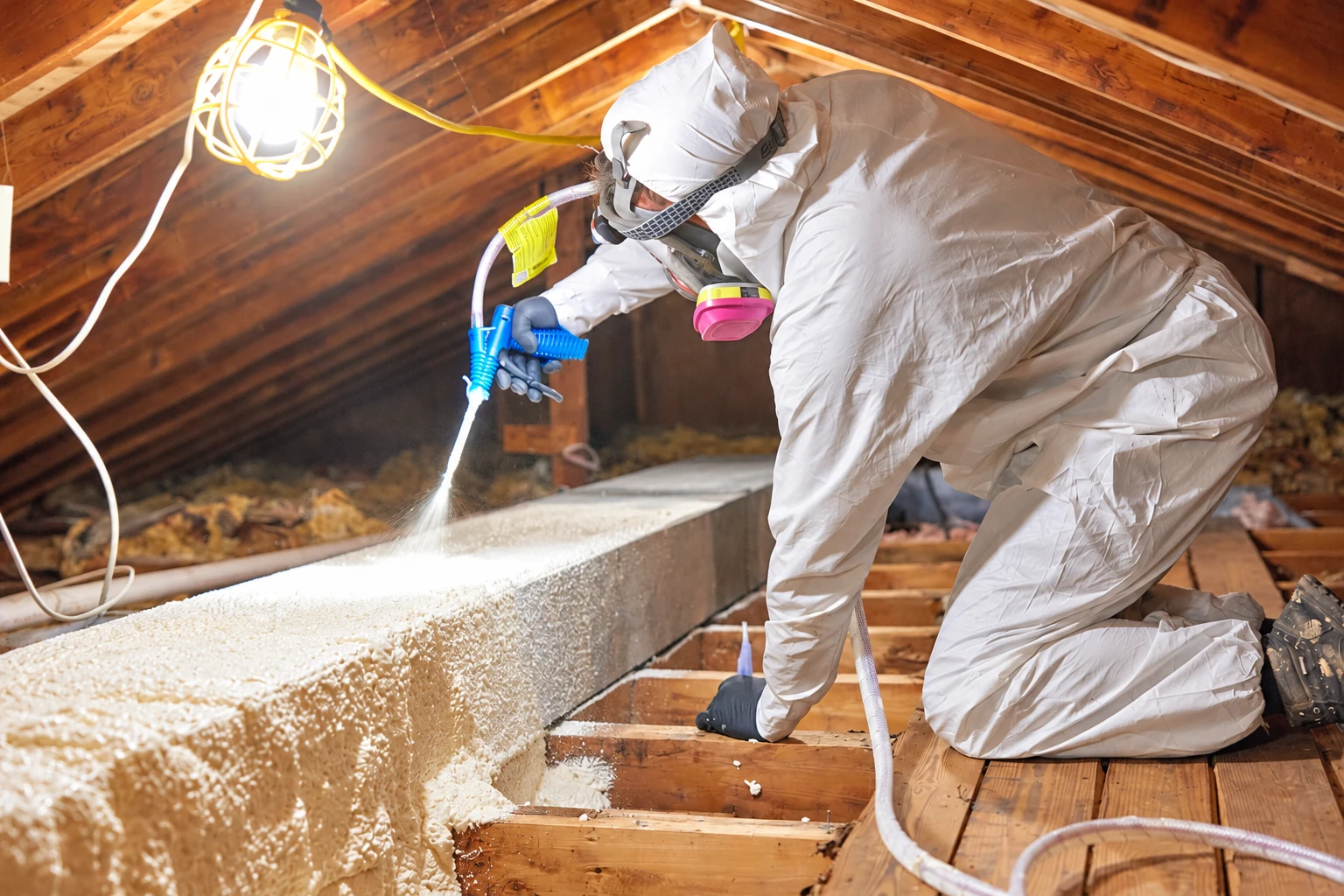
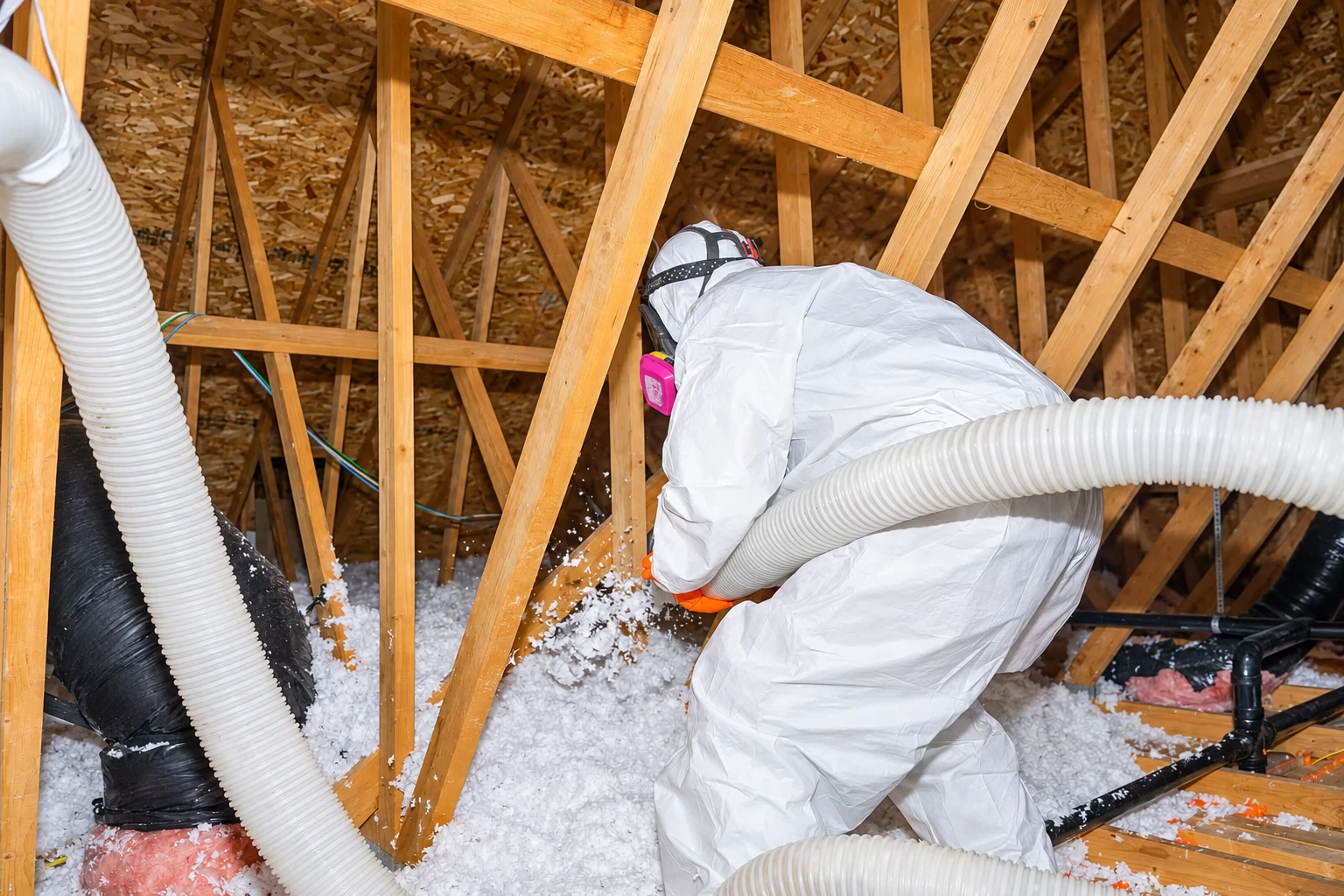
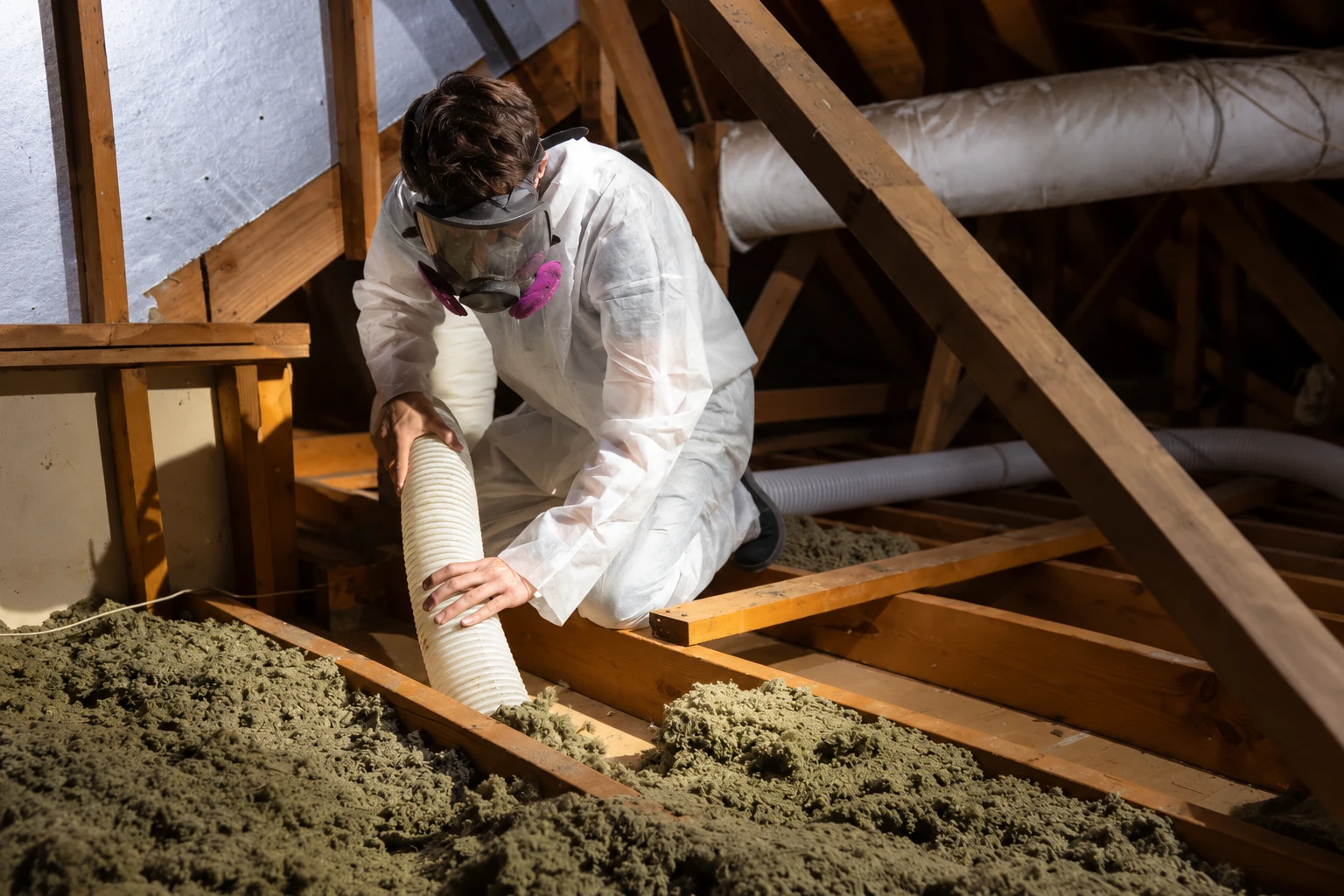
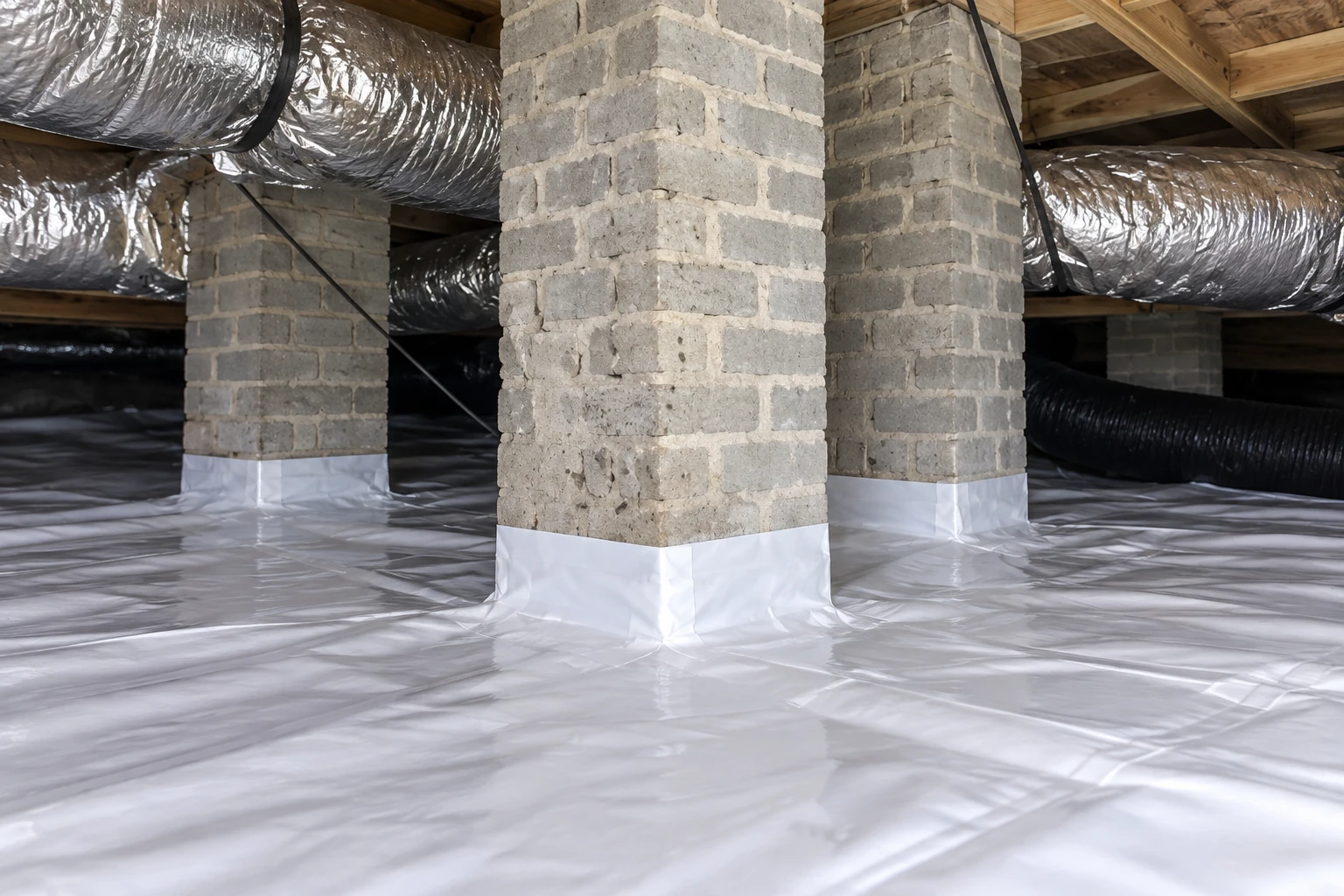
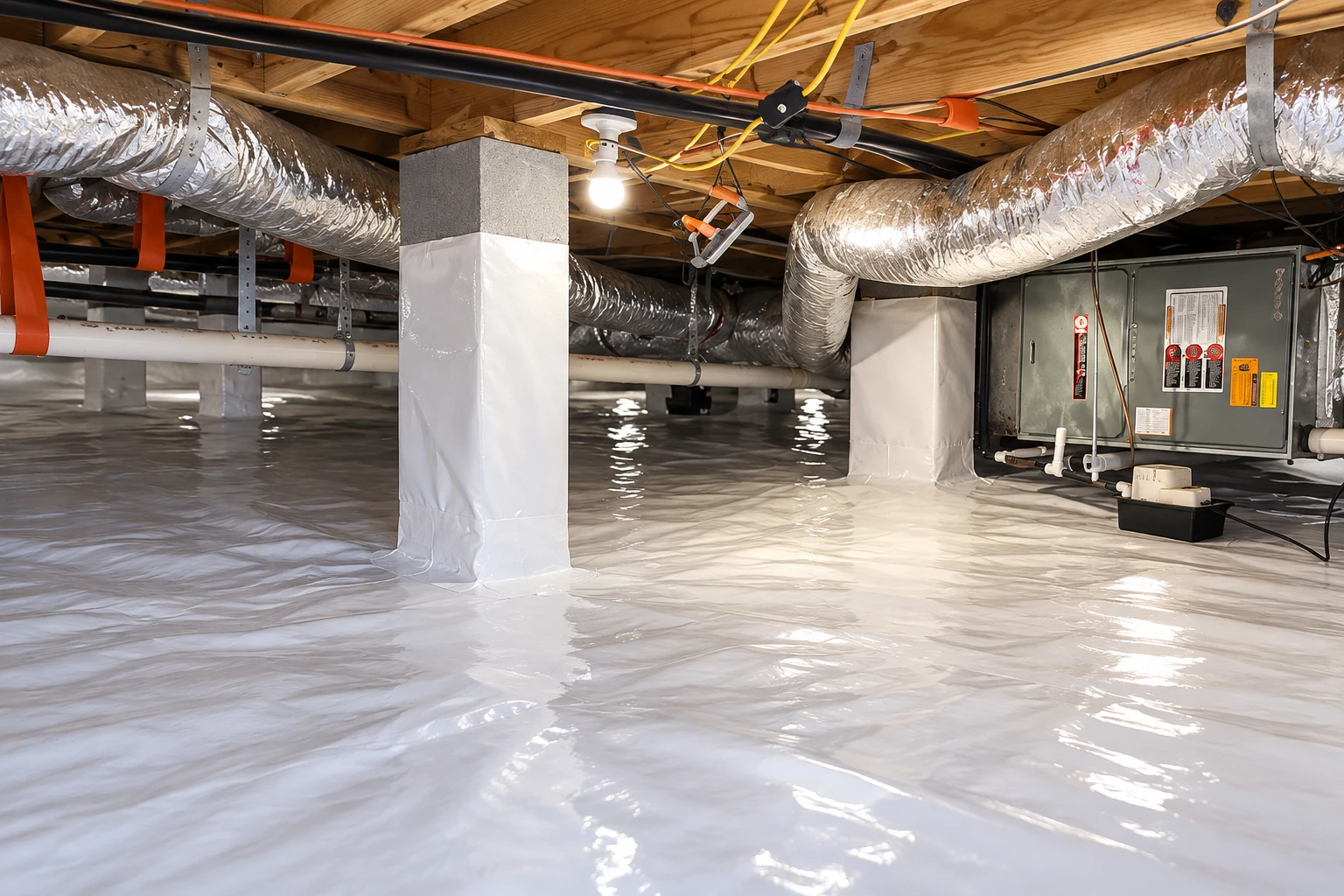
Home insulation in Hoffman Estates means adding insulation where your house needs it most, in the attic, the floors, the crawl space or the basement rim joists, the wood band sitting on the foundation, and sealing the air leaks around it so rooms stop fighting drafts.
Most people call because one thing bugs them, like a room over the garage that's cold no matter what, a hot upstairs in July or a power bill that jumped. The cause is usually somewhere else in the house, because warm air rises and slips out through whatever gaps it finds. The price and the schedule turn on how many spots need work, whether old insulation has to come out first, how easy the attic or crawl space is to get into and how much sealing comes before anything new goes in. When I come out, I'll tell you what I found and what I'd do first, so you know where your money goes before anything starts.
We're licensed and insured, and contractors working here have to be registered with the Village of Hoffman Estates, renewed every year, so you can ask any contractor you're considering to show a current registration.
- Attic floors, floors over crawl spaces and basement rim joists are the usual places we insulate.
- Air leaks at the attic floor get sealed before any new insulation goes on top.
- In older homes we check the wiring and any old attic insulation before planning the work.
What happens after you call us about home insulation in Hoffman Estates?
I come out to look at most jobs myself, and our installers do the work. Here's how a home insulation job usually runs, from your first call to the walk-through at the end.
Call or send a message
Tell us what's been bothering you, whether that's a drafty room, a hot upstairs or a high bill. We'll set up a time for me to come out and look at the house.
I come out and look
I go up in the attic or down in the crawl space, check how many inches are already there and ask what you've noticed. Then I walk you through what I found and what I'd do first, so you know where your money does the most good.
Our installers do the work
Our installers work in the order we talked about, so anything that has to come out goes first and the sealing happens before new insulation goes in. That order is what keeps the new material from hiding an old problem.
We go over the job
When the installers finish, I go over the finished job with you. If you want to climb up and see it, I'll show you what went in and where.
What home insulation work looks like up close
These photos show the kind of work a home insulation job involves, from attic floors to wall cavities and crawl spaces. They're general pictures of the trade, so ask me about your own house when I come out.
Commercial spray foam insulation coats the walls and roof of a large timber-framed building, with lumber stacked on the concrete floor.
Close-up of thick cream-colored spray foam filling the spaces between wooden attic rafters.
Loose-fill insulation covers an attic floor, with a yellow depth marker protruding from the material.
Unfinished wall cavities filled with pink fiberglass insulation between exposed wooden studs.
White spray foam coats the underside of a ceiling framed with metal channels above open arches.
Unfinished basement with white plastic-covered walls, exposed ceiling joists, ductwork, and a concrete floor.
Find out where your house is losing heat
Call (847) 380-5407 or send the form, and we'll reply within one business day to set up a free on-site estimate with no obligation. Mention your home's age and any pebble-like insulation in the attic so I know what to look for.
(847) 380-5407Questions about home insulation we hear most
These are the questions people in Hoffman Estates ask me most before a job starts, about price, old insulation and walls. If yours isn't here, call (847) 380-5407 and ask me directly.
How much does attic insulation cost in the Chicago area?
Attic insulation in the Chicago area usually costs about $1,600 to $5,400 per job, which is the going rate in the area, not our quote. Where your house lands depends on how much is already up there, whether old material has to come out and how much sealing comes first. After I've been up in your attic, I'll tell you what I'd do first.
Should old vermiculite insulation in my attic be removed?
Leave it alone for now, because the EPA says pebble-like, pour-in vermiculite, usually gray-brown or silver-gold, should be treated as possibly containing asbestos and left undisturbed. If you choose to have it taken out, the EPA says a trained, accredited asbestos abatement contractor separate from whoever assessed it should do the work. We hold off on the rest of that attic until it's settled.
How do you insulate finished walls in an older Hoffman Estates house?
Usually by drill and fill, where small holes near the top of each wall cavity, the space between the studs, let blown-in insulation fill it without tearing out the walls. If you're planning new siding, that's an ideal time to do it from the outside, so the two jobs can go together.
Does knob and tube wiring affect insulating an older home?
Yes, because the National Electrical Code doesn't allow insulation on or around knob and tube wiring, the old wires strung on porcelain knobs, so it shapes any plan for the walls. In homes built before 1980, lead safety rules may also apply, depending on how much the work disturbs the walls inside and out.
How do I check that blown-in attic insulation is deep enough?
Look for rulers stapled up in several spots, since federal guidance for contractors says they should be put in to show the loose fill is deep enough and spread evenly. They also let you measure how much it settles over the years.
Can I get help paying for insulation in Illinois?
Yes, if your household's income is low enough to qualify, because the Illinois Home Weatherization Assistance Program can pay for air sealing and attic and wall insulation. It covers up to $20,000 per eligible home for energy-related weatherization and repair work, and you check whether you qualify with the program itself.
Home insulation in Hoffman Estates and the cities nearby
Whether your job needs a permit is up to the village's Department of Development Services, so we check with them each time and handle any permit and paperwork. Across these northwest suburbs we keep finding attics with mixed old insulation and cold rooms over garages.