
Hoffman Estates Insulation ServicesHoffman Estates Insulation Services(847) 380-5407

Insulation Contractor in Elgin, IL - Attics Sealed Before They're Insulated

Hoffman Estates Insulation Services is an insulation contractor based in Hoffman Estates, IL. In Elgin, we seal air leaks, pull out old insulation, and insulate attics, walls, basements and crawl spaces in houses and commercial buildings.

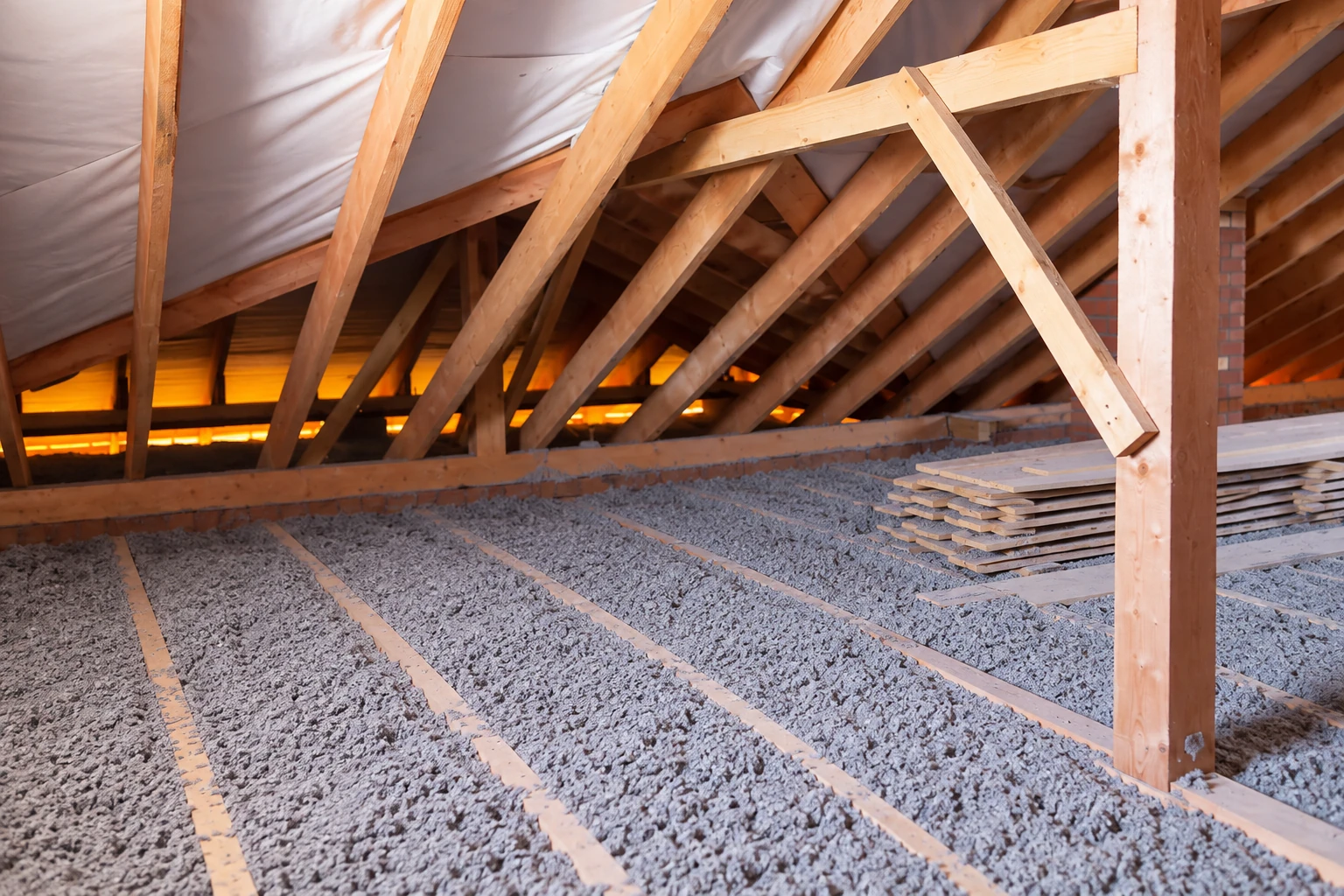
Loose gray blown-in insulation covers an attic floor beneath exposed wooden roof trusses, with stacked boards at right.

How Elgin's houses look from the attic hatch

Elgin has a wide spread of houses, from older homes near downtown and the Fox River to subdivisions built much later around the edges, and the attics show the difference as soon as the hatch comes off. The older ones tend to have layers, a bit of whatever was popular each time someone got around to it. Newer ones usually have one even blanket that's often thinner than people expect. It's the same work we do next door in Streamwood and back home in Hoffman Estates.

That mix is why I don't quote an Elgin job from the driveway. What's already up there, how dry and clean it is and where the air gets through decide whether we top it up, pull it out or seal first. On older houses, the walls and the room over the porch usually have their own story too.

Insulation and air sealing services for Elgin homes

We do the full range of insulation work in Elgin, from one drafty room to a whole house or a commercial building. Most jobs start in the attic because that's usually where the biggest leaks and the thinnest coverage are, but the right plan depends on what I find when I look. We work in a set order. We check what's there, deal with anything wet, dirty or blocking the vents, seal the gaps, then insulate. Each card below says when that service usually comes up.

  • Spray foam insulation

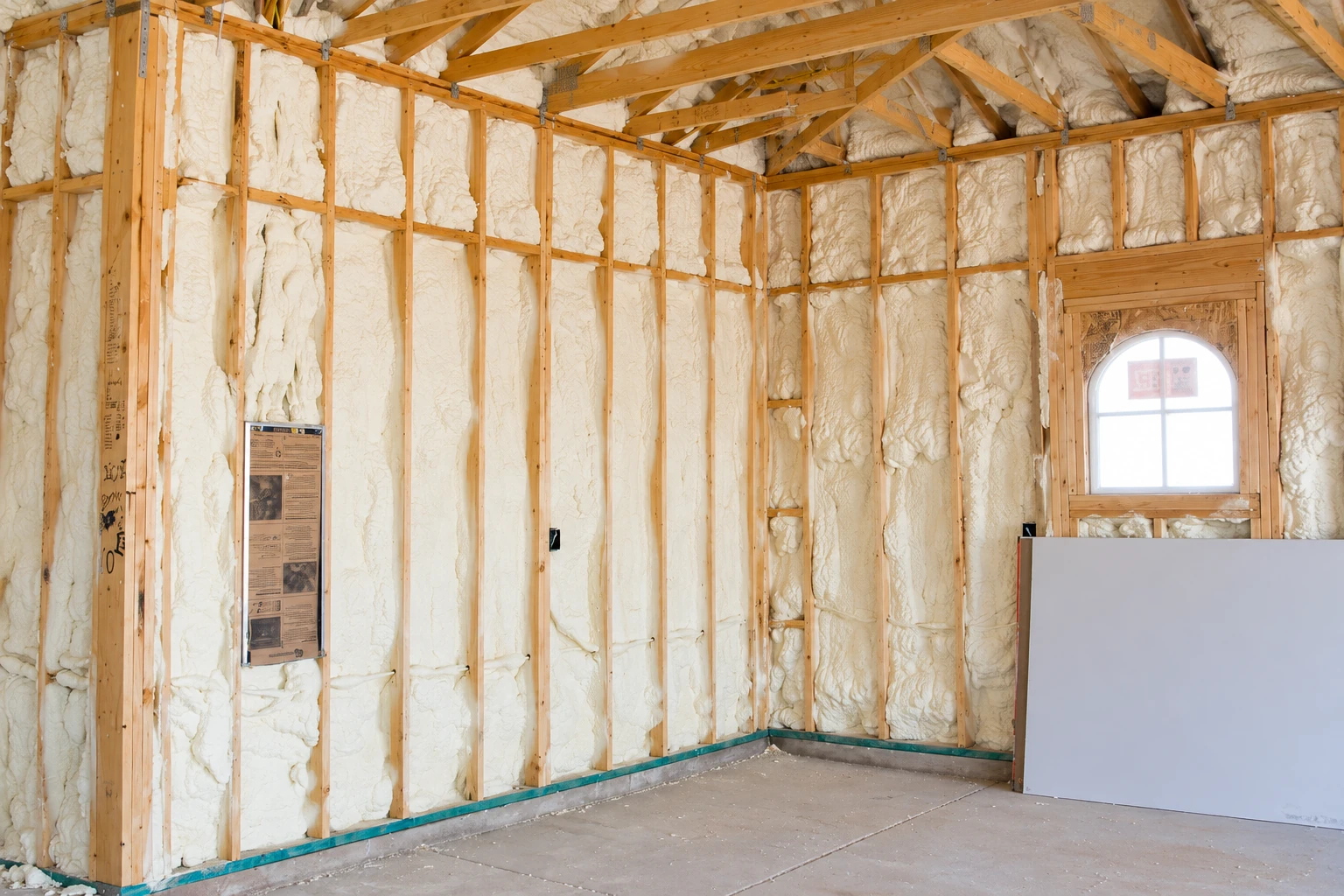
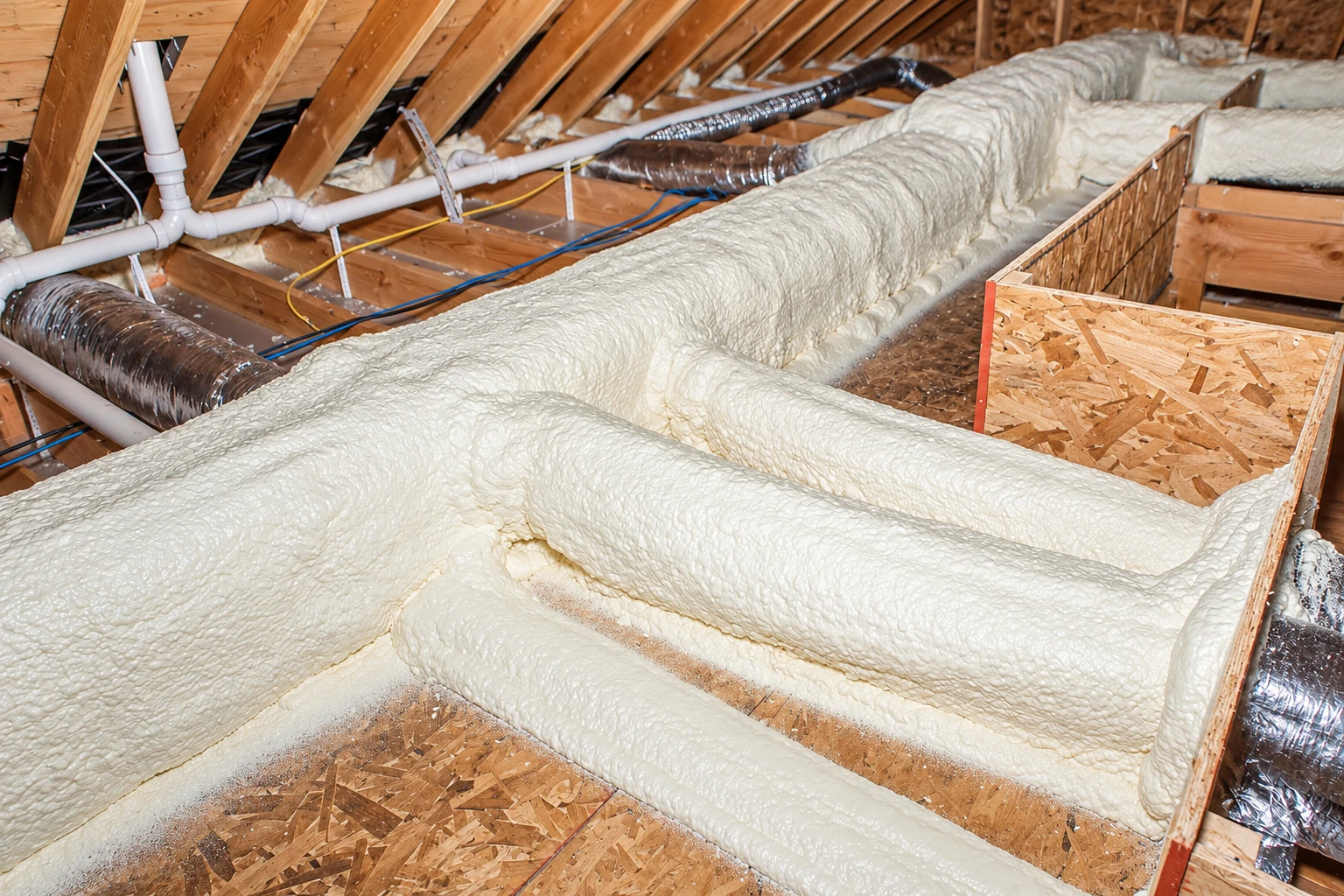
    Spray foam makes sense where ductwork runs through the attic or a rim joist lets cold air into the basement, because it seals and insulates in one pass. It costs more than loose fill, so we'll tell you when sealing and topping up does the job for less.

    Explore service
  • Attic insulation

    Most calls about a drafty house or a high power bill end up in the attic, since thin or uneven coverage there lets heat walk right out through the ceiling. We check the depth already up there, seal the gaps, keep the eave vents clear and build the coverage back up evenly to the edges.

    Explore service
  • Blown-in insulation

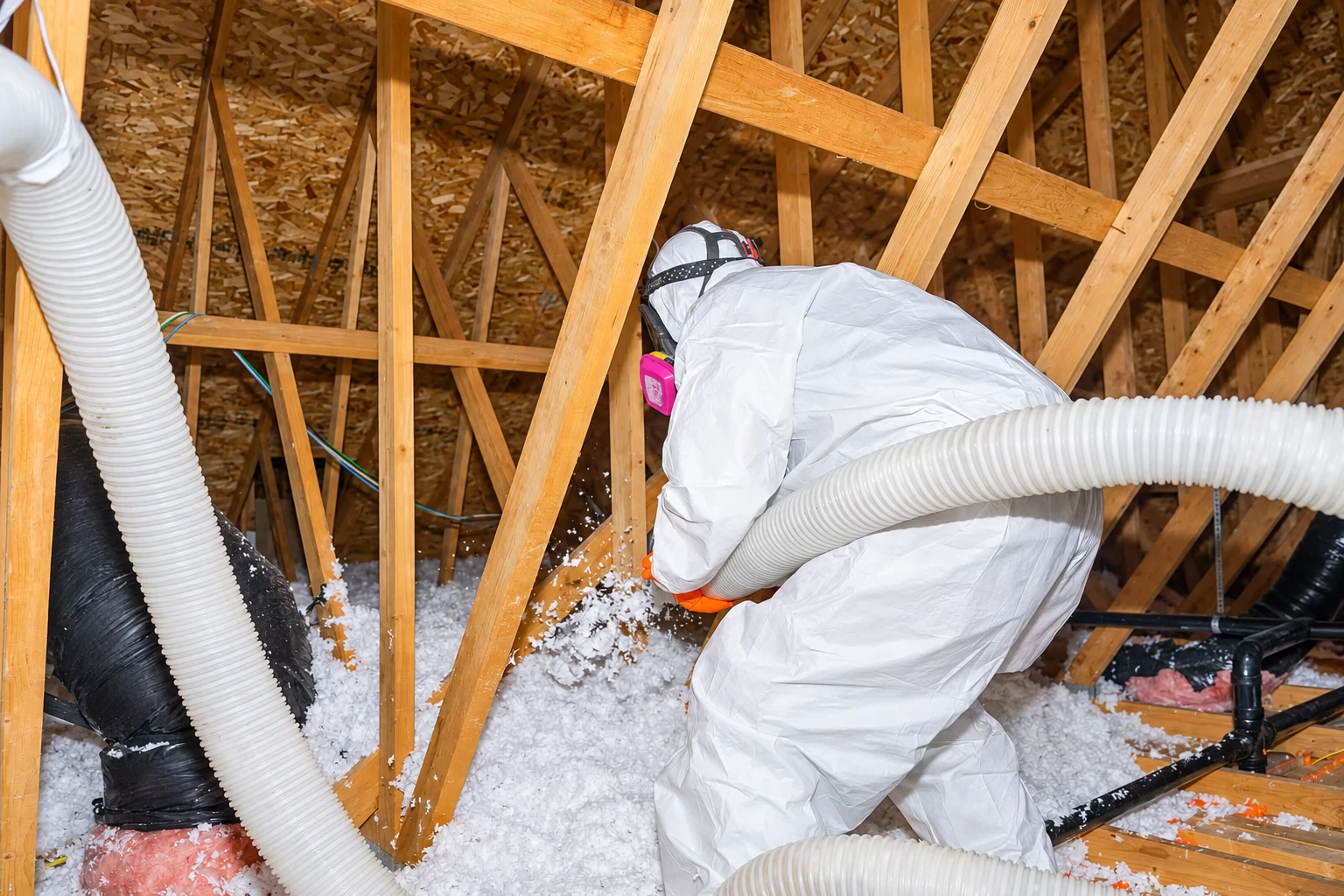
    Blown-in insulation is loose fill blown through a hose, and it's how we usually top up an attic that has some insulation but not enough. We bring it to an even depth all the way out to the eaves, where most attics come up short.

    Explore service
  • Home insulation

    When a house is comfortable downstairs and hot upstairs, the cause is rarely one spot, so we look at the attic, walls, basement and crawl space together. You get one plan in the order the work should happen, not a list of everything we sell.

    Explore service
  • Insulation removal

    Insulation that got soaked by a roof leak or filled with droppings has to come out, because new material laid on top just hides the problem. We pull it, clean up and make sure the cause is fixed before anything new goes in.

    Explore service
  • Crawl space insulation

    Crawl spaces under additions and older sections of a house are a common reason for cold floors, especially once the old batts sag or fall down. We insulate the walls or the floor above, depending on how the space is built and whether it stays dry.

    Explore service
  • Wall insulation

    Older houses often have walls with little or nothing in them, which you feel as cold outside walls and rooms that never seem right. We can usually fill those cavities without tearing the walls open, and we'll tell you up front how we'd get in.

    Explore service
  • Air sealing services

    Air sealing means closing the gaps before we insulate, and it fixes most drafts because insulation slows heat but doesn't stop air pushing through a hole. We find the leaks around wiring, plumbing, chimneys and the attic hatch and close them first.

    Explore service
  • Basement insulation

    A basement that feels cold usually leaks most at the rim joist, the band of wood sitting on top of the foundation wall. We seal and insulate there first, then do the walls if you're finishing the space.

    Explore service
  • Closed-cell foam insulation

    Closed-cell foam is a dense foam that blocks moisture, so it suits rim joists, basement walls and other spots where cold surfaces meet damp air. It's the priciest option, so we use it where it earns its keep and not everywhere.

    Explore service
  • Open-cell foam insulation

    Open-cell foam is softer and lighter, and it works well in rooflines and walls where you want air sealing and quieter rooms but moisture isn't a worry. It costs less than closed-cell, and we'll explain which one your spot needs.

    Explore service
  • Commercial insulation

    Building managers in Elgin call us about drafty offices, cold back rooms and buildings with old insulation nobody has looked at in years. I come out and look at the space first, then we plan the work around when the building is in use.

    Explore service
  • Crawl space vapor barrier

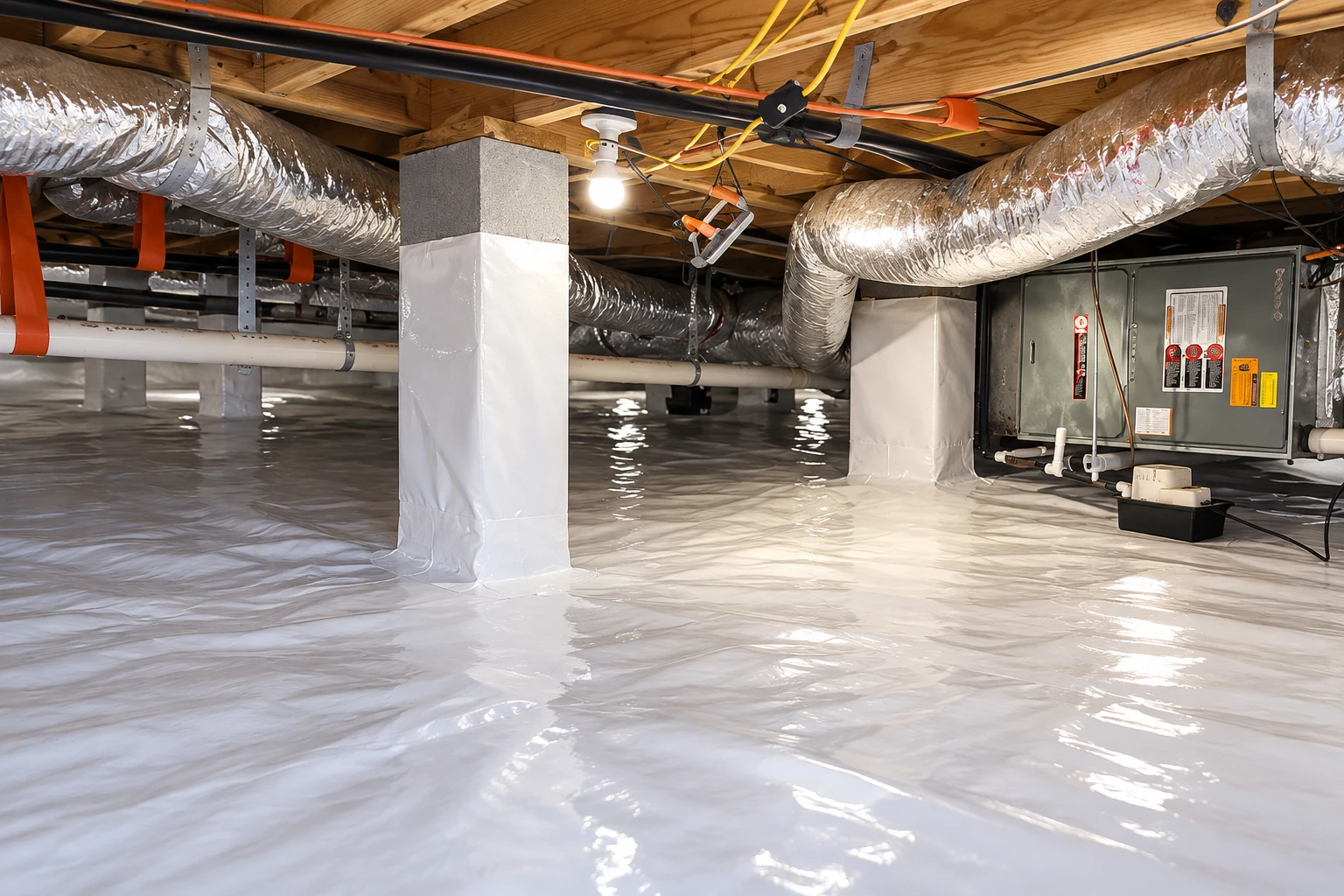
    A dirt or gravel crawl space floor puts moisture into the air under your house, and that damp air works its way up into the floors and framing. We lay and seal a vapor barrier over the ground so the space stays drier and any insulation down there can do its job.

    Explore service
  • Vapor barrier installation

    A vapor barrier keeps moisture from moving into walls, basements and other spots where it can condense and do damage. Where one belongs depends on the wall and the space, so we decide that on site instead of putting plastic everywhere out of habit.

    Explore service
  • Attic air sealing

    Can lights, bath fans, the attic hatch and pipe holes all leak warm air into the attic, which is why the room below can stay drafty even under deep insulation. We seal those spots before any insulation goes back down, so it isn't fighting a draft.

    Explore service
  • Retrofit insulation

    Retrofit insulation means adding insulation to a house that's already built and lived in, which covers most of what we do in older Elgin homes. We work around finished walls and ceilings, so you get better coverage without a remodel.

    Explore service

Working in Elgin: permits, licenses and planning your job

Before we start in Elgin, there are a couple of things to settle with the city and a few things to find out in your attic. Here's how each one affects your schedule and your price.

Who decides on a permit in Elgin

Building permits in Elgin come from the city's Community Development Department, and any permitted work has to pass a city inspection. Whether an insulation job needs a permit is the city's call, not mine, so I check with them on every job. We take care of any permit and paperwork the work calls for, so you don't have to chase it.

A permit changes when we can start, because work shouldn't begin until it's issued, and the city can issue a stop-work order and fines when a job starts without one. Review takes anywhere from a few business days to a few weeks, depending on the type. When you're comparing contractors, it's fair to ask about their city business license too.

  • Elgin requires a business license, renewed each year, from anyone working there.
  • Door-to-door sellers need a city permit through the Finance Department, 847-931-5635.
  • Electrical service upgrades in Elgin must be done by a licensed electrician.

What moves the price and the schedule

Most of the price comes down to what's already in your attic and what has to happen before new insulation goes in. Insulation that's soaked or full of droppings has to come out first, every gap around lights, pipes and the hatch needs sealing, and a low roofline or a tiny hatch slows the crew down. Foam or loose fill matters too.

The schedule turns on the same things, plus any permit review and how soon we can fit you in. I come out to look at most jobs myself, check how many inches are up there and what shape they're in, and tell you what I'd do first and what I'd skip. The estimate on site is where you get your own number.

  • Inches already up there, and whether they're dry and clean.
  • Foam or loose fill, and whether ductwork runs through the attic.
  • Attic access, roofline height and how many old layers come out.

Get a free on-site insulation estimate for your Elgin house

We reply within one business day, and the estimate is free, done at your Elgin house and comes with no obligation. Most of the time I come out myself, look at the attic and whatever else is bothering you, and tell you what I'd do and in what order. If you go ahead, our installers do the work.

(847) 380-5407

What we run into in Elgin houses and buildings

Elgin's houses span a lot of years, so the problems we find change from one street to the next. These are the conditions that come up most and what each one means for the job.

  • Layers of old insulation

    Older houses often have two or three kinds of insulation stacked up from different decades. Before adding anything, we check what each layer is, whether it's dry and whether anything has been living in it, because new material over a bad layer keeps the problem in your ceiling.

  • Buried eave vents

    When insulation gets blown in without baffles, the guides that hold it back from the roof edge, it piles into the eaves and blocks the vents. The attic stops breathing, and moisture starts showing up in the framing. We keep a clear path at every vent before topping up.

  • Cold rooms over the garage

    The room over the garage or an enclosed porch is the classic cold-floor complaint, since it has outside air on more sides than the rest of the house. The fix is usually sealing and insulating the floor and the short attic walls beside the room, not turning up the heat.

  • Holes in the ceiling

    Can lights, bath fans, plumbing stacks and the attic hatch all punch holes up into the attic. Warm air rides up through them, and insulation alone can't stop it. Sealing those spots first costs little next to what they add to the power bill.

  • Thin coverage at the edges

    In a lot of attics the insulation is deepest in the middle, where it's easy to reach, and thinnest along the edges over the outside walls. That's backward, since the edges are where the house loses the most. We bring the depth all the way out to the eaves.

Why people call us when the house doesn't add up

We've been doing this since 2017, and the jobs I like best are the ones that don't make sense at first. Here's how we work and why it matters for your house.

We fix things in the right order

Insulation laid over a leak, a soaked layer or a blocked vent just hides the trouble, and you end up paying for it twice. So every job runs the same way. We find out what's there, deal with anything wet, dirty or blocking airflow, seal the gaps, then insulate. Skipping a step saves an afternoon and costs you years of drafts.

I started out selling insulation jobs for another company, then climbed into enough attics with the installers to see what was really going on up there. That's why I'd rather tell you a job isn't worth it than sell you something your house doesn't need. Sometimes the right answer is sealing a handful of gaps and leaving the insulation alone.

  • I look at most jobs myself

    I come out to look at most jobs in person, so the person sizing up your attic is the one who stands behind the plan. Our installers do the work, and they start from what I saw and wrote down in your house, not from a guess over the phone.

  • Straight answers about foam

    Foam seals air while it insulates, and it costs more for it. For most attics, sealing the gaps and topping up loose fill does the job for less, unless your ductwork runs up there. Then foam usually earns its price, and we'll tell you which way your house points.

  • Licensed, insured, satisfaction guaranteed

    We're licensed and insured, so the crew working in your attic is covered while they're in your house. Your satisfaction, guaranteed. Before the installers leave, we show you what went in, where it went and what we sealed along the way.

  • Talk it through first

    Call (847) 380-5407 or use the form on this page and tell me what's bugging you, whether it's the cold room, the power bill or the attic nobody's opened in years. I'll ask a few questions back and set a time to come take a look.

Elgin insulation questions, answered plainly

These are the questions that come up before an insulation job in Elgin, from city permits to whether you have to leave the house. Each answer starts with the short version.

Do I need a permit to insulate my house in Elgin, IL?

Insulation isn't on Elgin's list of quick residential permits, so ask the city's Community Development Department whether your job needs one. That list covers projects like windows, roofs, siding, decks, and heating and air conditioning, and the department issues permits for most construction work. You can apply at City Hall or by email, and on our jobs we handle that check for you.

How long does permit review take in Elgin?

Quick permits in Elgin take about 3 to 5 business days to review. Projects that need a planner's review run about 7 to 10 business days, and a full plan check, the kind used for basement remodels, about 10 to 15. If your job needs a permit, we plan the start date around that wait.

How do I check if my Elgin house is in a historic district before insulating?

Search your address on the city's historic property map. A designated landmark, or a house in a locally designated historic district, needs a Certificate of Appropriateness, the city's design approval, for any exterior changes. Attic and basement work happens inside, but if insulating your walls would mean going in from the outside, settle that first.

How much does it cost to insulate an attic in Elgin?

The price comes down to what's already in your attic and how much has to happen before new insulation goes in. Old material that's wet or full of droppings has to come out, gaps around lights and pipes need sealing, and foam costs more than blown-in. I'll look at the attic on site and give you a number for your house.

What causes a cold upstairs room in an older Elgin house?

Usually it's moving air, not just missing insulation. Warm air escapes through gaps at the top of the house and pulls cold air in down low, so the room under a leaky attic or over a garage never catches up. We find those leaks and seal them before adding anything, and that's often where the fix starts.

Do we have to leave the house while you insulate?

For blown-in work and air sealing, most people stay home, though we'll ask you to keep kids and pets away from the attic hatch and the work areas. Spray foam is different, because everyone stays out until the foam maker's re-entry time, the wait before it's safe to come back, has passed. I'll tell you that wait before we book the day.

Service areas

Besides Elgin, we work in Hoffman Estates, Schaumburg, Streamwood, Palatine, Hanover Park, Barrington and the other cities listed here. If you don't see your city, call or send the form and ask.

Ask about your location
(847) 380-5407Get an estimate