
Hoffman Estates Insulation ServicesHoffman Estates Insulation Services(847) 380-5407

Insulation contractor in Hoffman Estates, IL - drafty rooms and hot upstairs sorted out

Hoffman Estates Insulation Services is an insulation contractor in Hoffman Estates, IL. We find out why a room is drafty or the upstairs runs hot, then seal and insulate attics, walls, basements and crawl spaces to fix it.

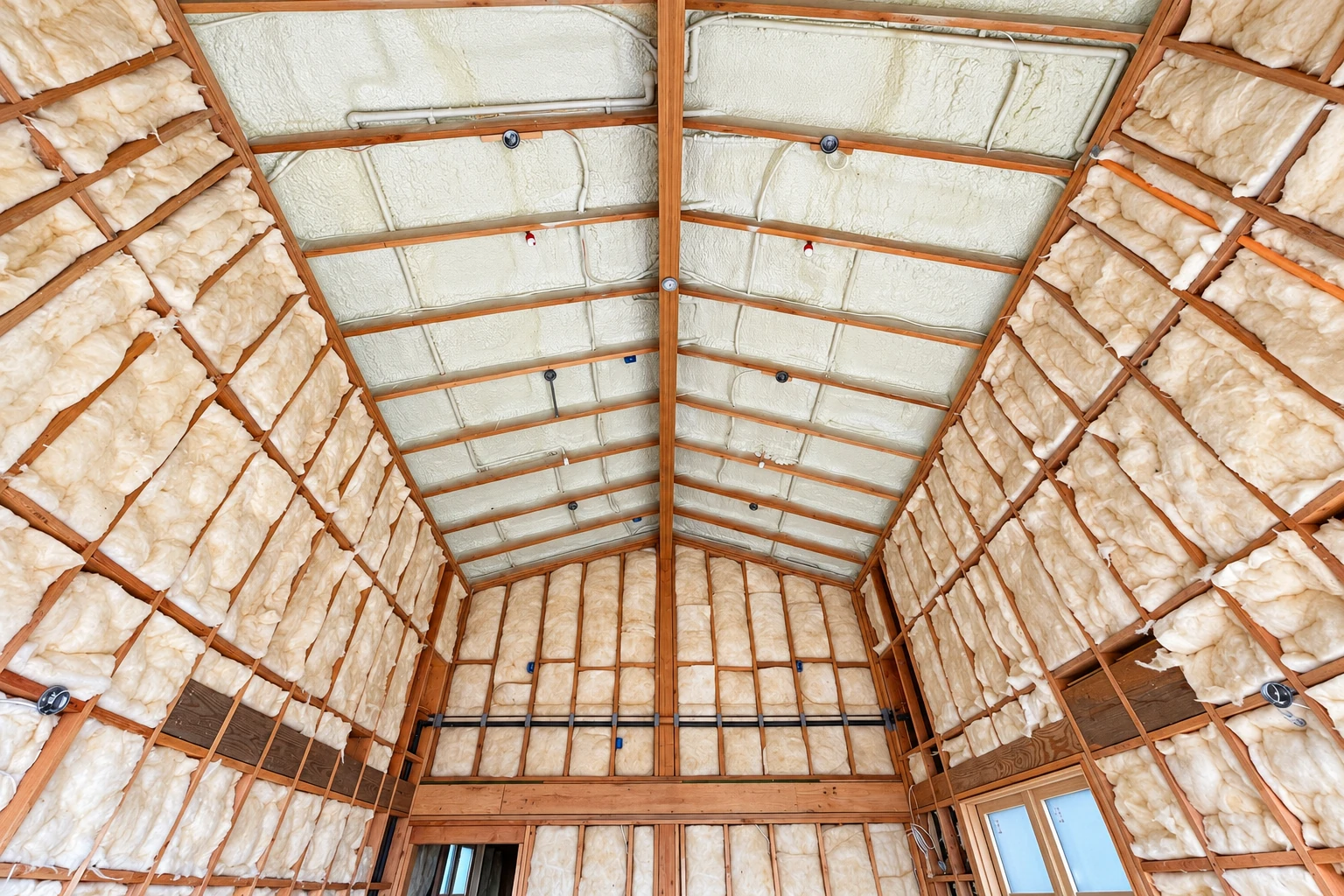
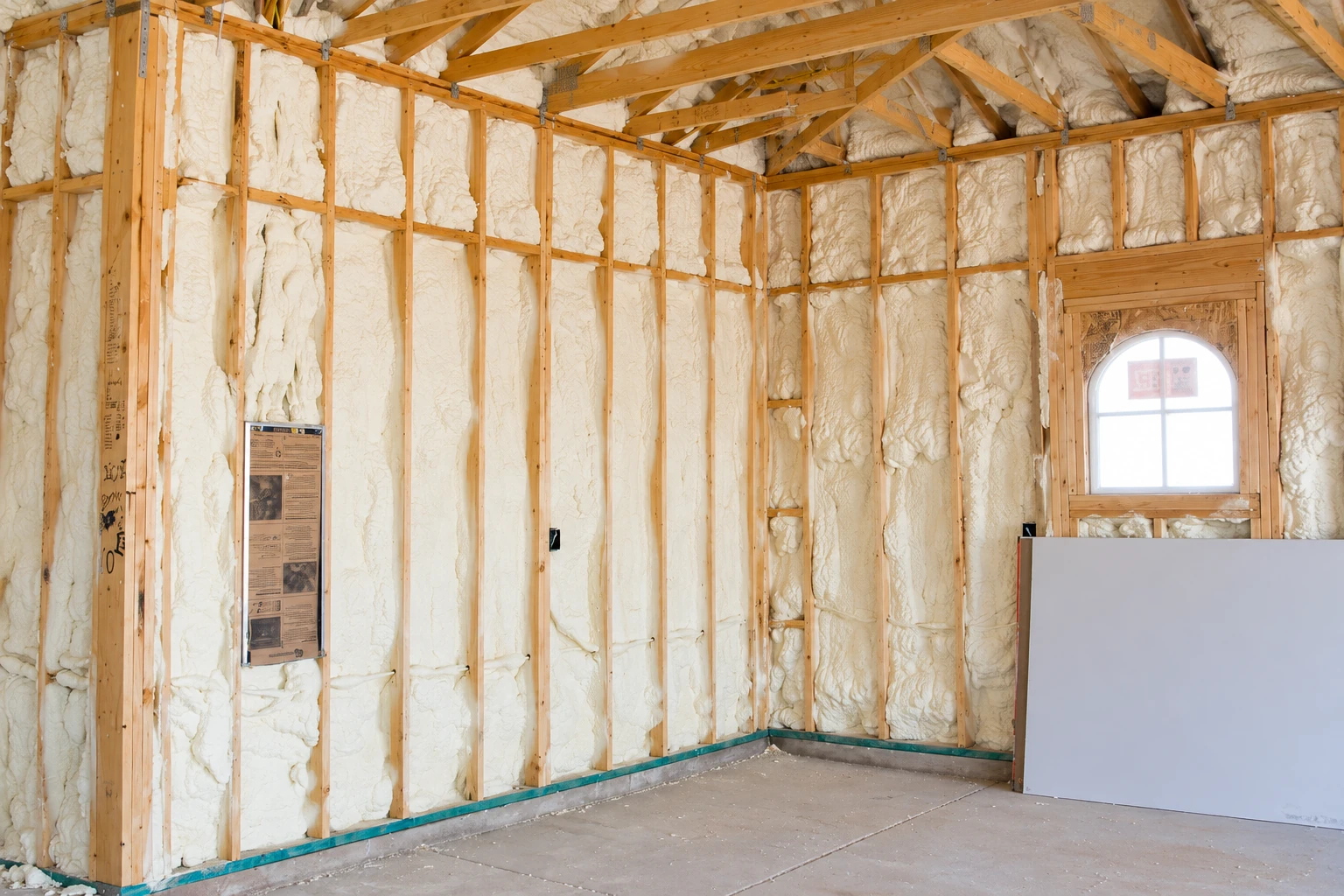
White spray foam coats the roof underside, while cream insulation fills the wooden wall cavities in a tall attic.

How Hoffman Estates houses shape an insulation job

Hoffman Estates is mostly single-family homes, with a good share of condos and some larger apartment buildings mixed in, and our calls here look the same way. Most come from a homeowner with a cold bedroom, cold floors or a hot upstairs. Some come from building managers looking after a whole building. We're based right here, so our crew also drives over to Schaumburg and Streamwood for the same work.

In a house, I usually start in the attic, because that's where most heat leaves. In a condo, the walls and ceilings you share with neighbors limit what we can reach, so the plan starts with the parts that are yours to insulate.

Insulation services we offer around Hoffman Estates

We do the full range here, from attic top-ups and air sealing to spray foam, basement and crawl space work, and insulation in commercial buildings. The planning is the same every time. I go up in the attic or down in the crawl space, see what's already there and how deep it is, look for leaks, droppings or damp, and check the gaps around lights, pipes and the hatch. Then we decide what comes out, what gets sealed and what goes in, in that order, because insulation laid over a problem just hides it.

  • Spray foam insulation

    Basement rim joists and other odd-shaped spots leak air through gaps that loose fill can't close. We spray foam there because it seals and insulates in one pass.

    Explore service
  • Attic insulation

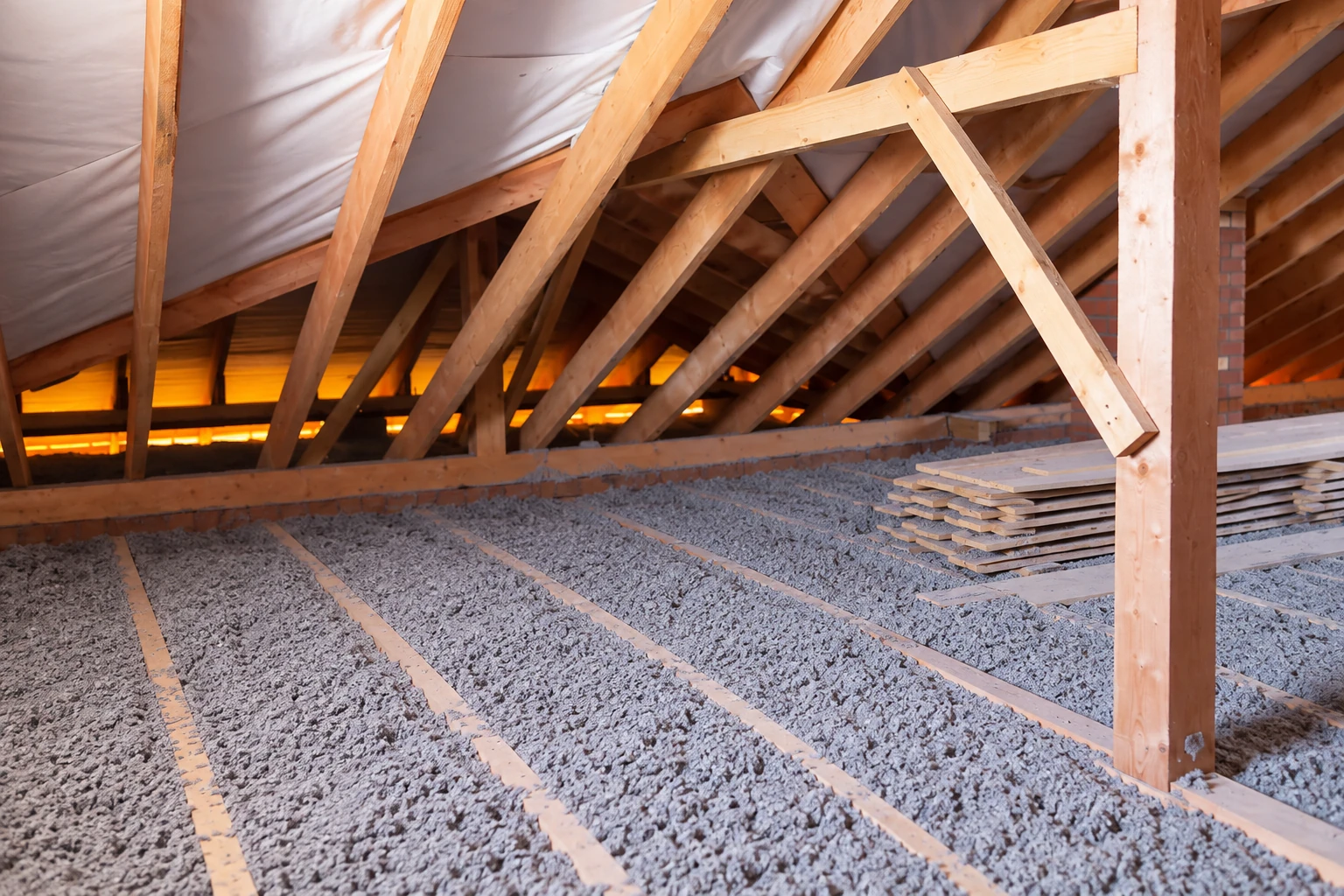
    Most Hoffman Estates homes lose the most heat through the attic, and many we open have thin, settled insulation. We measure how many inches are up there, then bring the whole floor up evenly, edges included.

    Explore service
  • Blown-in insulation

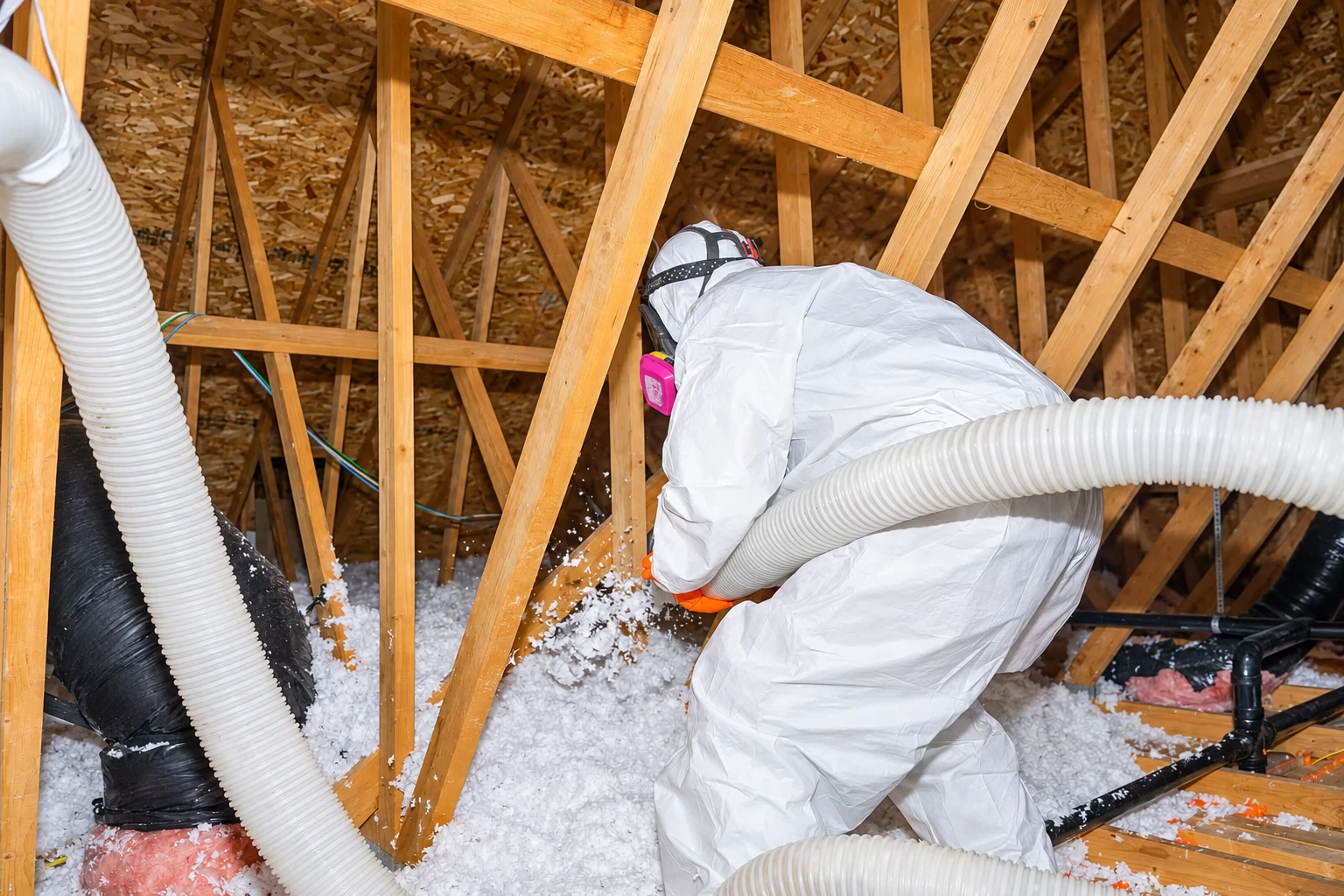
    Blown-in insulation, loose fill sent through a hose, is how we top up most attics here. We keep it level out to the eaves and set baffles so it doesn't bury the vents.

    Explore service
  • Home insulation

    When the whole house feels drafty or the power bill keeps climbing, the cause is usually spread across a few spots. We check the attic, walls and lower level together and fix them in the order that matters.

    Explore service
  • Insulation removal

    Older attics sometimes hold two or three kinds of insulation, and some of it is wet or full of droppings. We vacuum out what's ruined before anything new goes in, so the problem doesn't stay hidden underneath.

    Explore service
  • Crawl space insulation

    Cold floors over a crawl space usually mean bare framing or insulation that has fallen down. We insulate the walls or the floor above, depending on how the space is built and whether it stays dry.

    Explore service
  • Wall insulation

    Some older walls have little or nothing inside, and you feel it as a cold wall in January. We blow insulation into closed walls through small holes and patch them when we're done.

    Explore service
  • Air sealing services

    Air sealing, closing the gaps before insulating, matters in homes where drafts come through outlets, top plates and plumbing holes. We find and seal those leaks first, because air moves right through insulation.

    Explore service
  • Basement insulation

    Basements lose heat at the rim joist and the walls above ground, finished or not. We insulate those areas once we've checked for damp, since covering a wet wall traps the water.

    Explore service
  • Closed-cell foam insulation

    Closed-cell foam, a dense foam that blocks moisture, fits rim joists, basement walls and spots that see damp. We use it where that moisture control earns its place.

    Explore service
  • Open-cell foam insulation

    Open-cell foam is softer and lighter, and it suits rooflines and inside walls where moisture isn't the worry. It seals air well and fills odd shapes that batts can't.

    Explore service
  • Commercial insulation

    Building managers here call us for offices, condo buildings and multi-unit properties that heat unevenly. We plan around tenants and business hours and work through the building in sections.

    Explore service
  • Crawl space vapor barrier

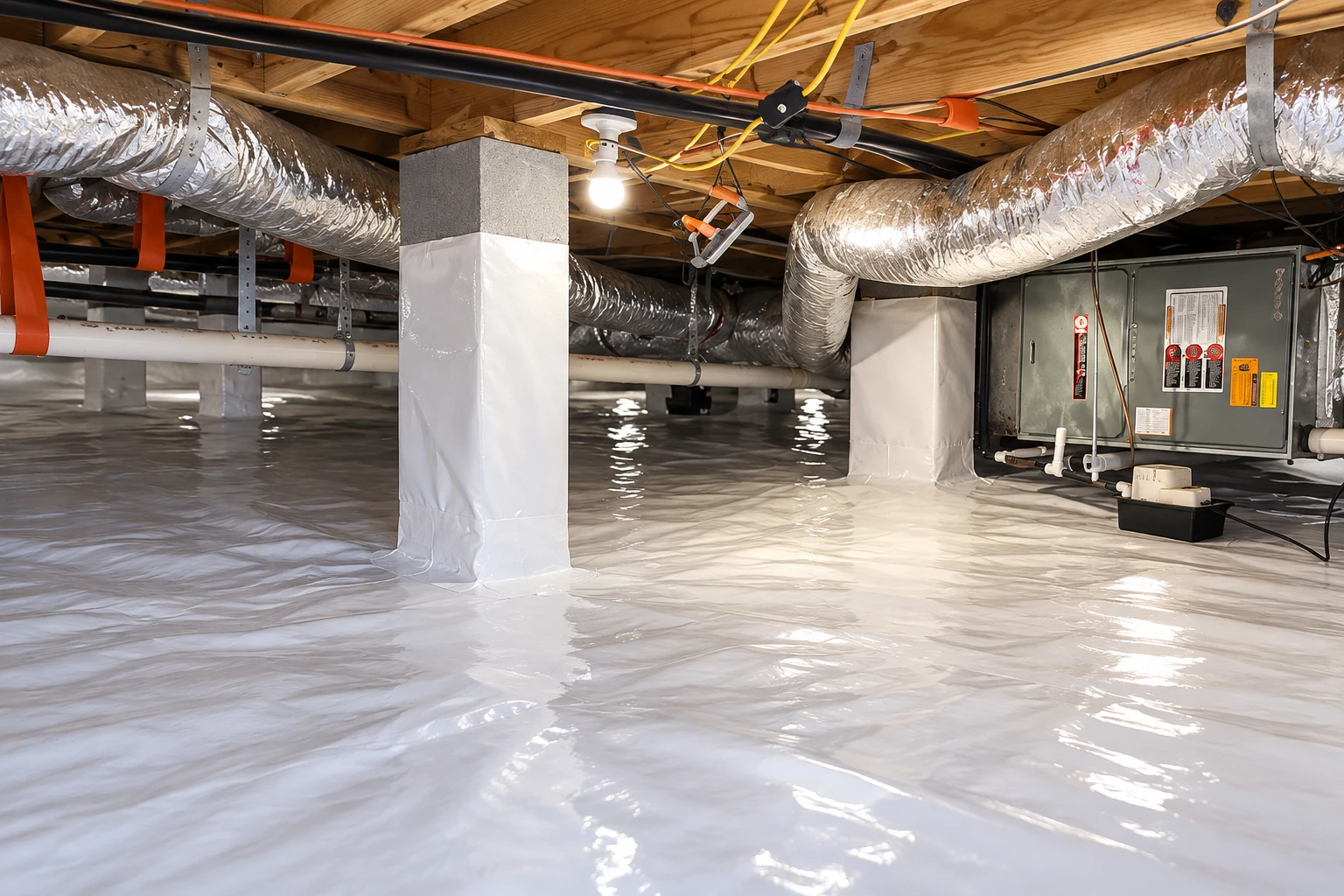
    A bare dirt floor lets ground moisture rise into the crawl space and the rooms above. We lay and seal a vapor barrier over it, which keeps the insulation and framing drier.

    Explore service
  • Vapor barrier installation

    Basements, crawl spaces and some walls need a layer that keeps moisture out of the insulation. We put it on the right side for Illinois winters, because on the wrong side it traps water.

    Explore service
  • Attic air sealing

    Can lights, the attic hatch and pipes through the ceiling are the usual leaks behind a hot upstairs. We seal them from above before any insulation goes down, so the new layer isn't fighting a draft.

    Explore service
  • Retrofit insulation

    Retrofit work means adding insulation to a house that's already built and lived in. We pick methods that reach closed walls and tight attics without tearing out finished rooms.

    Explore service

What to know before insulating a house in Hoffman Estates

Every job here has a Village side and a house side. Here's how each one works, and what changes your price and your schedule before the crew ever shows up.

Permits and contractor registration in the village

The Village of Hoffman Estates issues building permits through its Department of Development Services, and its permit rules name work like fence replacement and roofing rather than insulation. So I check with the village office on each job, and we take care of any permit and paperwork the work calls for, so you don't have to chase it. If a permit is needed, it goes on the schedule first.

Every contractor who works in the village has to register with the Village, and registration asks for proof of general liability insurance and workers compensation. That's worth asking about before you let anyone into your attic, because it tells you the company is set up to work here. Ask us, or anyone you're thinking of hiring, to show that proof. Other villages run their own permit desks, so I check each one, whether the job is here or in Hanover Park.

  • A required permit notice stays visible from the street until final inspection.
  • A copy of the permit application stays at the house until we finish.
  • Contractor registration with the Village lasts one year from the day it's issued.

What changes the price and the schedule

Price comes down to what's in your attic and how hard it is to reach. A bigger attic costs more, and so does old insulation that's wet or full of droppings, because it has to come out before anything goes in. Lots of gaps to seal or a tight attic add time, while a good depth already up there can lower what you need.

Material is the other big lever. Foam costs more and seals air while it insulates, but for most attics, sealing the gaps and topping up loose fill wins, unless your ductwork lives up there. The schedule mostly turns on whether old material comes out first and whether a permit is needed. You'll know what your house needs once I've been up in the attic.

  • Attic size and the inches already up there set most of the material.
  • Wet, moldy or droppings-filled insulation comes out first, which adds a step.
  • Tight attics and low crawl spaces take longer to reach and seal.

Get a free on-site insulation estimate in Hoffman Estates

Send the form or call (847) 380-5407, and we'll reply within one business day to set a time that works for you. I come out to look at most Hoffman Estates jobs myself, go up in the attic and walk you through what I find. The estimate is free and comes with no obligation, so you can take your time deciding.

(847) 380-5407

What we find in Hoffman Estates attics and basements

These are the conditions I run into most in houses around here. None of them shows from the hallway, which is why I go up and look before we plan anything.

  • Thin edges, deep middle

    In a lot of attics we open, the insulation has settled over the years, and it's often deeper in the middle than at the edges, which is backward. The edges sit right over the outside walls, where the cold gets in first, so that's where we make sure the layer is full.

  • Leaks around lights and hatches

    Warm air rises through gaps around can lights, plumbing pipes and the attic hatch, and it carries heat and moisture into the attic with it. If those gaps stay open, new insulation just sits in a draft, so we seal them before anything goes down.

  • The room over the garage

    The room over the garage is one of the calls we hear most. It sits over an unheated space with cold air on more sides than other rooms, so it usually needs its floor and knee walls sealed and insulated, not just more in the attic above it.

  • Buried eave vents

    When insulation gets blown right over the eave vents, the attic can't breathe, and moisture starts showing up on the roof framing. We set baffles at the eaves first, which hold the insulation back and keep the air moving the way it should.

  • Ductwork running through the attic

    Some homes run their heating and cooling ducts through the attic, where leaky joints push warm or cool air into a space you're not trying to heat or cool. That changes the whole plan, so we check for ducts and their joints before deciding anything else.

How we handle an insulation job from the first look

I started this business in 2017 after selling insulation and then learning to install it. Here's how that shapes the way we work on Hoffman Estates homes and buildings.

We find the cause before we add insulation

I got into this trade selling insulation jobs, and the questions I couldn't answer from the driveway sent me up into attics with the installers. That's still how I work. When a room stays cold no matter what you do, I want to see where the air is moving before I suggest anything, because the fix depends on the cause.

So the order doesn't change. Anything wet, moldy or ruined comes out first, the gaps get sealed next, and the new insulation goes in last. If what your house needs is small, I'll say so. If a job isn't worth doing, I'll tell you that too, rather than sell you something your house doesn't need.

  • The owner comes out

    I come out to look at most jobs myself, so the person sizing up your attic is someone who has done the work. Our installers then do the job, and they go in knowing what I saw and why we picked the plan we did.

  • Houses that don't add up

    We're best known for the houses that don't make sense at first, like the bedroom that stays cold no matter what or the attic with three kinds of old insulation. Those take some detective work, and honestly, that's the part of this job I like most.

  • Licensed, insured, satisfaction guaranteed

    We're licensed and insured, and our promise is plain. Your satisfaction, guaranteed. If something about the work doesn't sit right with you, tell me, and we'll talk it through together while the crew is still there or after they've gone.

  • Reachable evenings and weekends

    We take calls Monday through Friday from 8 AM to 11 PM, and Saturday and Sunday from 7 AM to 11 PM, so you can reach us after work. Call (847) 380-5407 or use the form on this page to set up a look at your house.

Insulation questions from Hoffman Estates homeowners

These are the questions homeowners here ask us most about insulating their houses. If yours isn't on the list, call and ask, and I'll tell you what I'd do in your place.

What affects the cost of insulation for a Hoffman Estates home?

The biggest cost factors are the ones you can't see from the hatch, mainly whether old insulation is wet or full of droppings and has to come out, and how many gaps need sealing first. After that, choosing foam over loose fill moves the price most. That's why I look in person before we talk numbers.

Does insulation work in Hoffman Estates have to meet the building code?

Yes. The Village has adopted the International Residential Code with its own local amendments, and it says work that doesn't need a permit still has to follow the code and other local laws. We install to that code whether a permit is involved or not.

How do I tell if my Hoffman Estates attic needs more insulation?

Look across the attic floor, and if you can see the tops of the ceiling joists or the layer gets thin near the edges, it probably needs more. Cold floors, a hot upstairs in summer and a power bill that keeps climbing point the same way. Tell me what you're noticing when you call, and I'll know what to look for.

How do I deal with a damp basement in Hoffman Estates before insulating?

Fix the water first, because insulation over a wet wall or floor traps the moisture and hides the problem. The Village offers free drainage investigations through its Citizen Support Center, and its Engineering Division keeps FEMA flood maps for every property and answers floodplain questions. Once the space stays dry, we can lay a vapor barrier and insulate.

Do we have to leave the house during spray foam insulation in Hoffman Estates?

For spray foam, yes, you, the kids and the pets stay out until the re-entry time passes, which is when it's safe to come back inside. That wait depends on the product, and I'll give it to you before we start so you can plan around it. Blown-in attic work is different, and most families stay home while we're up there.

Is winter a good time to insulate an attic in Hoffman Estates?

Yes, we insulate attics through the winter, and it's often the easiest time to find leaks because you can feel the cold air coming in. Frost on nail tips or damp spots on the roof boards also show up in cold weather, and they tell me where warm air is escaping. Foam in an unheated attic or crawl space depends on the temperature, so we time those jobs with the weather.

Service areas

We're based in Hoffman Estates and work across the northwest suburbs, including Schaumburg, Elgin, Palatine, Barrington and the other cities listed here. If your city isn't on the list, call or send the form and ask.

Ask about your location
(847) 380-5407Get an estimate